When I was six, I received a copy of The Answer Book for Christmas. I liked The Answer Book. It had answers to a lot of questions that I never asked.
I asked stuff like this (keep in mind this was the early 1970s):
- Who would win in a fight between Hulk and Superman?
- Was professional wrestling fake?
- Why did people think that Fonzi was cool?
- Why were afternoon cartoons always preempted by Watergate hearings?
Instead, The Answer Book answered science-related questions. Pffft… science.
While flipping through The Answer Book book recently, I discovered the answer to the question “What Is Quicksand?”:
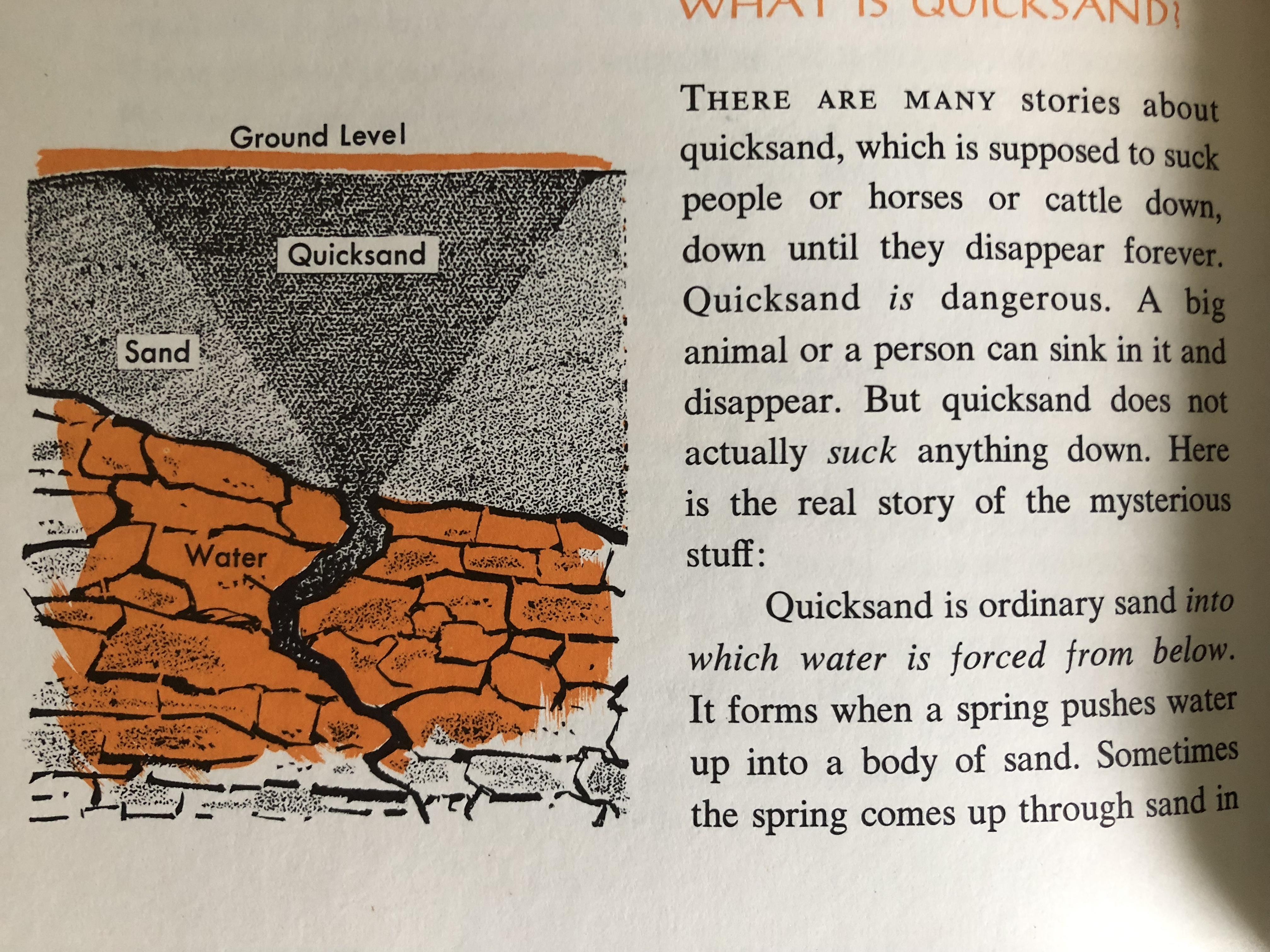
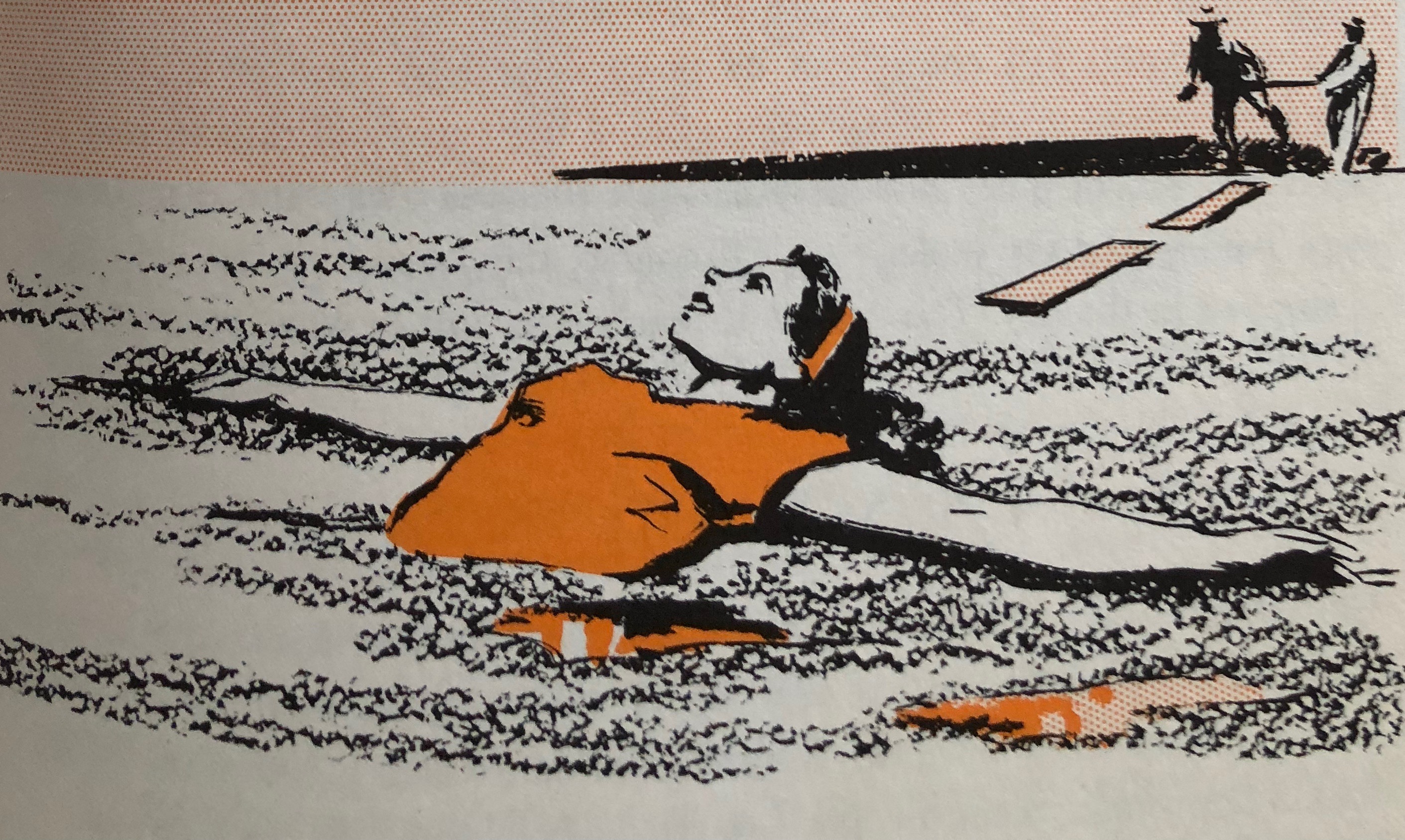
Because of this book and a few movies, I believed for a long time that the dangers of quicksand were real. But according to several sources on the internet, there aren’t any documented cases of anybody sinking into quicksand and disappearing forever.
I don’t know who to believe, the book from the 1970s or the internet of today. The book said it can happen; it doesn’t say that it actually has happened. That’s a sneaky word trick to play on a kid. I don’t blame movies for trying to scare kids with quicksand. Movies are supposed to scare people. But a science book should know better.
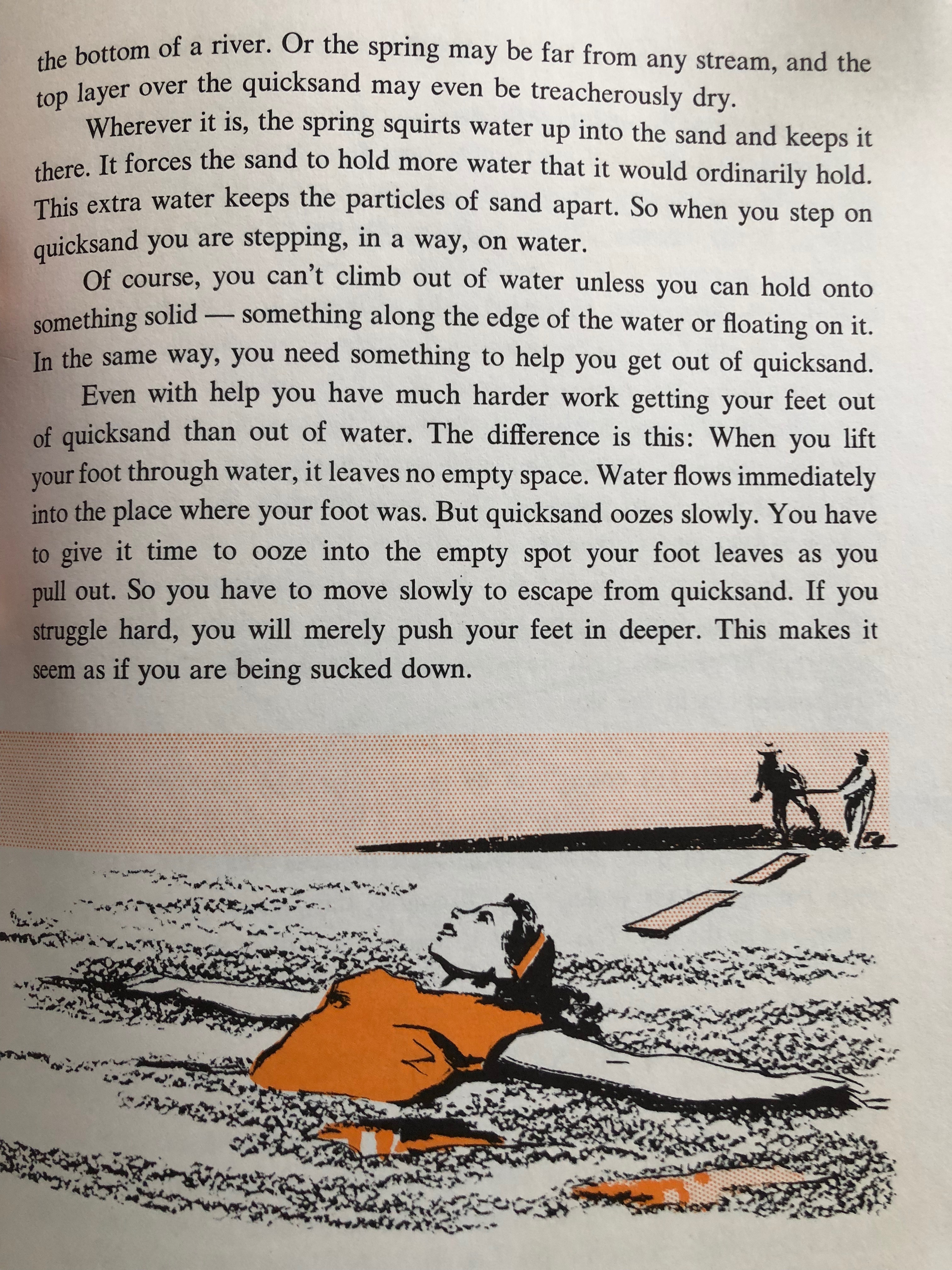
Even if quicksand is/was technically dangerous, it’s statistically never hurts/kills any kids who read The Answer Book. There are scientific things that are way more dangerous for kids than quicksand. The fear of quicksand seems kind of manufactured to me and unnecessary.
If they did know that quicksand wasn’t statistically dangerous (and they probably knew), why would they legitimize this urban legend?
I still like this copy of The Answer Book. I just wish it had a section on Bigfoot!
*****
It’s the oldest story in the world, 1990s style!
Man meets woman; man falls in “luuuvvv” with woman; man gets blindsided by reality!
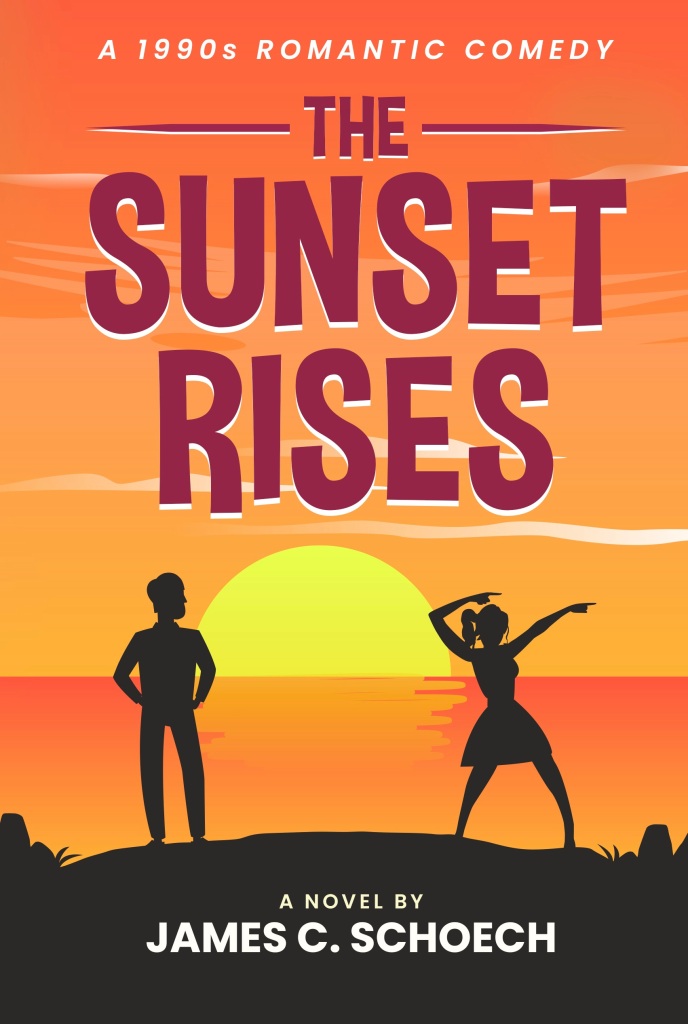
The Sunset Rises: A 1990s Romantic Comedy is now available on Amazon !

Don’t read any further if you get sick to your stomach easily.
Don’t look at the picture below! Whatever you do, don’t look at the picture.
Don’t look at it!
If you look at it, it’s your fault.
*****
Opening a library book is like being the first cop at a crime scene; you never know what you’re going to see.
Below is a picture from a library book I just checked out. The book itself is titled (not that it matters all that much for the purpose of this blog post) Don’t tread On Me: A 400-Year History of America at War, from Indian Fighting to Terrorist Hunting by H. W. Crocker III. This book is unabashedly pro-American (whatever that means) and approaches America’s history of violence with no shame or guilt. According to this book, at least from what I’ve read so far, the Native Americans almost had it coming.
I mean, the Indians had it coming.
At any rate, a previous reader must have been disgusted by the author’s point of view. I was pretty disgusted when I saw this. I don’t even know what this is, but my imagination has a few ideas. Is it nose debris? Partially chewed food/condiment droppings. Or is it simply a set of mustard stains?
My gag reflex didn’t kick in or anything, but I’m not showing this to my wife. She watches pimple popping videos, but I still won’t show this to her. Her imagination can be just as vivid and as inaccurate as mine.
This is probably just mustard. It seems a bit flaky to be mustard, but I’m not tasting it to find out. I’m not that curious about it.

*****
What do you think that is? Nose debris? Spilt food? Would this be enough to keep you from checking out library books in the middle/end of a pandemic? What is the most disgusting sight you’ve discovered in a library book?

Three days. The book had been sitting on the counter by the sink in the break room at work for three days, and nobody had claimed it. I don’t think it had even moved.
The book was a paperback copy of Lonesome Dove by Larry McMurtry. Even though I’d already read the novel decades ago, I’d been thinking about reading it again recently. I remember enjoying Lonesome Dove a lot.
This copy of Lonesome Dove was in nice condition, but it was in danger of getting wet from so many coworkers washing their hands. I thought about just taking the book home with me. It wasn’t mine, but I wanted to read it.
On this particular day, there was a chocolate cake next to the book, and coworkers were hovering over the mystery cake.
“Who made it?” one guy asked.
“It’s chocolate cake,” another guy said. “With chocolate icing. I don’t care who made it.”
“Is it safe to eat?”
“Whose book is that?” I asked.
“I want to know who made the cake,” the guy kept saying. “If it was Jackie, she’s always licking her fingers.”
“It could have been Dolores,” the other guy said. “She wears two masks and always washes her hands, even when she has gloves on.”
The guy turned to me. “Are you going to eat this?”
“I’m fasting,” I said. I don’t eat food unless I prepare it myself, but I just claim I’m fasting to avoid awkward situations. The problem is that then I can’t be seen eating for a while. That’s why lying is bad. I probably should just tell people that I don’t eat food unless I prepare it myself.
After much deliberation, everybody except me ate the cake, but nobody claimed the book. I decided to wait until the end of the day to make my move. Friday was clean-up day, and the custodians would throw out everything unclaimed at 5:30. If the book was still there, I’d take it. It’s not stealing if it’s about to get thrown out. In that situation, I’d be saving the book, not stealing it.
At 5:30 I was ready to make my move. I’d stayed a little late to get ready for Monday, and I hung around the corner waiting for the custodian. He was a young guy with air pods (I think). First he wiped the tables. Then he threw out everything in the refrigerator (and there was some truly disgusting stuff in there). What was taking him so long to get to the sink? He was doing everything except cleaning the sink!
Finally he grabbed the cake remnants and tossed them into the trash can. Then he reached slowly for the book… and… and…
“I’ll take that,” I proclaimed as I stepped forward.
“Is this yours?” he asked. I had expected him to just hand me the book.
“No…. um… no… it’s just been sitting there for three days.”
“This doesn’t belong to you?”
“No,” I said sheepishly. “I just want to read it.”
“So do I,” the custodian said. “Do you mind if I read this over the weekend, and I’ll bring it back?”
I almost said, “You’re going to read Lonesome Dove over a weekend?”
Instead, I said, “Sure, it’s not my book.”
So the custodian took the book.
And I haven’t seen him since.
*****
A couple days ago I just went ahead and bought a copy of Lonesome Dove for a few bucks at a used book store.
Yesterday I had some time to read it, but I didn’t feel like it. I’m pretty sure I’ll get to it today.
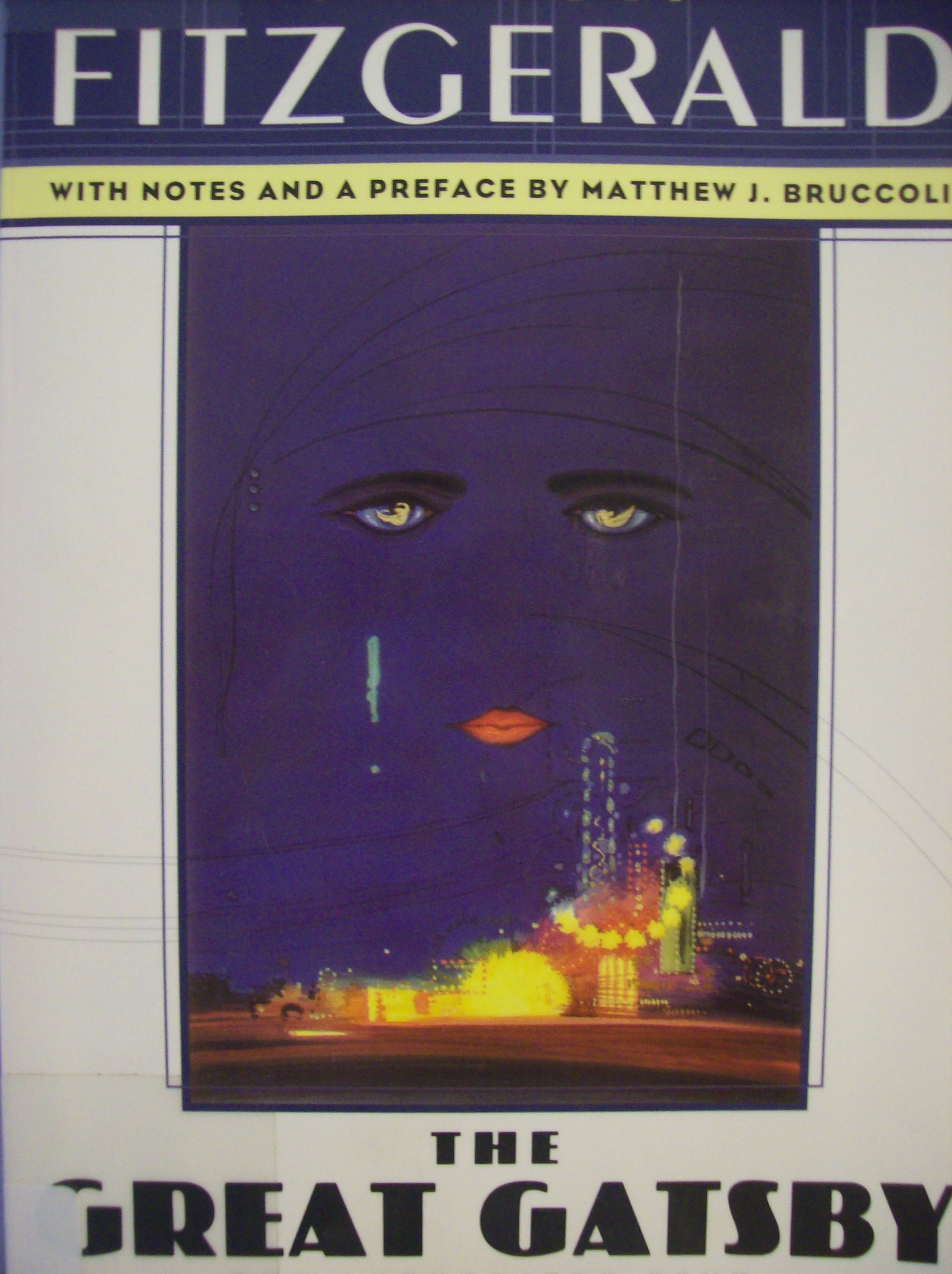
The Great Gatsby by F. Scott Fitzgerald was panned by reviewers when it first came out, and it sold relatively few copies. Now The Great Gatsby is required reading for students, many of whom already don’t like to read. So what changed along the way?
Did the original reviewers and buying public have it right? Or have recent generations of readers just been smarter by recognizing the genius of The Great Gatsby??
I ask these questions because of a book I’m browsing through, Real Artists Don’t Starve by Jeff Goins.
It’s one of those books that takes anecdotes and tries to force them to fit the points the author is trying to make. I’m not even going to explain the author’s point about F. Scott Fitzgerald because it has nothing to do with my own rhetorical questions.
Still, I’ll give the book some credit. Here’s an excerpt:
*****
The Great Gatsby was published on April 10, 1925, with one New York paper headlining its review: “F. Scott’s Fitzgerald’s Latest a Dud.” The rest of the literary world was equally critical, with H. L. Mencken calling it “no more than a glorified anecdote” and referring to the author as “this clown.” A bit more bluntly, Ruth Snyder wrote, “We are quite convinced after reading The Great Gatsby that Mr. Fitzgerald is not one of the great American writers of today.” Gatsby did not achieve the success its author had hoped for, selling fewer than half as many copies as any of his previous novels (53).
*****
Again, what has changed since 1925? When I first read The Great Gatsby in the 1980s, I thought it was overwritten for such a short novel and not as insightful as teachers claimed it was; I agreed with Mencken’s opinion without even knowing who H. L. Mencken was.
A part of me believes that pop culture is a test to see what the public will accept. For example, Bob Dylan was an adequate song writer, but there’s no way he should have been allowed to sing. Maybe, just maybe, Bob Dylan was a test to see what the public would accept.
And maybe, just maybe, similar powers in the literary world wanted too see if they could take a substandard literary piece and make the public think it was brilliant. Maybe they believed that if they could trick the public into buying The Great Gatsby, they could trick the public into buying anything.
I can’t get too angry with the literary powers in this case; at least The Great Gatsby is short.

I’m reading War Commentaries of Julius Caesar by Julius Caesar (translated by Rex Warner), and I’m impressed by how fairly Caesar treated everyone he dealt with. He especially treated his potential enemies fairly. At least, according to Julius Caesar he did.
In the paragraph below, Caesar writes about how he dealt with Ariovistus, the leader of a major German tribe that was threatening a Roman ally in Gaul:
*****
When we met together I began my speech by reminding him of the kindnesses he had received from me and from the senate. He had been given by the senate the titles “King” and “Friend”; and he had also received a number of magnificent presents-a very rare privilege indeed, as I pointed out to him, and one usually reserved only for those who had done great personal service to Rome. Yet he, without any proper right even to be received by the senate and with no real reason for making any petition, had been rewarded as I had mentioned. He owed these rewards entirely to my generosity and that of the senate.
*****
I don’t necessarily trust Caesar’s account of what happened. I’d like to read Ariovistus’s version of events, but I think he got killed. If he wrote anything, I haven’t been able to find it. That’s okay; Ariovistus probably would have been lying too.
I usually don’t read memoirs because people usually lie about themselves to make themselves look good. One of the best selling books of 2020 was a memoir of a famous political figure, and I’m not going to read it because I don’t trust his version of events.
To be fair, I won’t buy any memoirs of that politician’s opponents either.
I’m a little disheartened by this; if you can’t trust Julius Caesar, who can you trust?

When I was a teenager with a book collection, I had several friends who didn’t read. They claimed that I was wasting my time reading stories when I could be doing things like playing sports, getting drunk, and chasing women with no morals. I told them they were wasting their time playing sports, getting drunk, and chasing loose women when they could be reading.
Now I think those friends of mine kind of had a point. I’m 55, and I’m starting to believe that I’ve wasted a lot of my time reading junk. There are a lot of important skills that I could have learned but didn’t because I was reading fiction.
I’m reading a lot of nonfiction now (and watching instructional videos). I’m beginning to learn skills that I can use around the house, stuff that I should have learned as a kid but didn’t (both parents worked, and I was usually alone in the house when I returned home from school).
I’ve always known just enough to be dangerous, as some people say. I could probably electrocute myself without trying. I can hit my head on a garbage disposal while underneath the sink. I can spark up my drained car battery even when I set up the booster cables correctly. My goal now is to be competent without getting myself killed.
Except with electricity. I’m not going to mess with electricity.
I don’t think all my fiction reading has been a waste of time. Reading is a great way to wind down after a day of working hard. It’s better than watching most television shows. There’s a chance, however, that I could have used some of that reading time more wisely.
Reading fiction supposedly builds up your empathy. Empathy is okay, but it doesn’t fix your car or keep the electricity running. And it does nothing for indoor plumbing. Man, I really like indoor plumbing.
I don’t regret reading so much fiction during my life. I just don’t think I’m going to read much more fiction anymore. There’s too much real stuff that I don’t know about.
*****
Enough about me! What do you think? Is it possible to read too much fiction in one’s lifetime?

I just started reading Upheaval: Turning Points for Nations in Crisis by Jared Diamond. I’m not sure if it’s a good book yet (it has potential), but I really like this paragraph on page 17.
*****
This is not a magazine article about current affairs, intended to be read for a few weeks after its publication, and then to fall out-of-date. Instead, this is a book expected to remain in print for many decades. I state that obvious fact just to explain why you might otherwise be astonished to find nothing whatsoever in this book about the specific policies of the current Trump administration in the U.S., nor about President Trump’s leadership, nor about the current Brexit negotiations in Britain. Anything that I could write today about those fast moving issues would become embarrassingly superseded by the time that this book is published, and would be useless a few decades from now. Readers interested in President Trump, his policies, and Brexit will find abundant published discussions elsewhere. But my Chapters 9 and 10 do have a lot to say about major U.S. issues that have been operating for the past two decades, that are now claiming even more attention under the current administration, and that are likely to continue to operate for at least the next decade.
*****
I think every nonfiction book that deals with major issues should have a paragraph like this to warn the readers. If a reader wants a hit piece on a current politician, no matter whom it might be, then the reader can move on to another book.
And the warning doesn’t even have to be about Trump. Every president has hit pieces written about him (and maybe her soon). It’s usually obvious when a book is a hit piece, but some authors like to sucker punch readers.
Don’t get me wrong; I like the occasional political hit piece. But there are too many of them out there, they are blatant money grabs, and they’re usually irrelevant after a few years.
I’m not saying that this type of warning paragraph should be mandated for every social/political non-fiction book, but this was nice to read.
OFF TOPIC!
Is it just me, or was Guns, Germs, and Steel by Jared Diamond overrated? The book was okay, but I didn’t see anything special in it. I guess that’s for another blog post.

Most people don’t understand how frustrating reader’s block and writer’s block can be. When I have reader’s block, I can waste an entire day wandering down aisles of book stores or libraries looking for something interesting to read. When I have writer’s block, I just stare like I’ve witnessed something traumatic.
A co-worker of mine doesn’t even believe that reader’s block exists. He thinks it’s something that I made up. In this day and age, I can’t believe I work with a reader’s block denier, but that’s the world we live in. After he loudly proclaimed that reader’s block was all in my head, he admitted that he doesn’t read books.
I thought it was funny, a guy with permanent reader’s block denying that reader’s block exists.
To me, reader’s block is more frustrating than writer’s block. Reader’s block isn’t supposed to happen. If I want to read, I can just read. Logically, writer’s block should be more difficult to beat because it’s tougher to force yourself to be creative than it is to force yourself to read.
Some people can drink themselves into writing. Ernest Hemingway said “Write drunk; edit sober.” I can’t write when I’m drunk. I can’t type when I’m intoxicated, and I can’t handwrite while I’m inebriated. In fact, I can’t do anything very well when I’m drunk.
Unlike most drunks, I’m aware that I’m not good at anything when I’m drunk. I’ll even give my car keys to other drunks when I’m drunk, but that’s not smart because they don’t know how drunk they are. I don’t hand over my car keys anymore because now I’m too much of a control freak to get drunk.
Ernest Hemingway also said: “There is nothing to writing; all you do is sit down at a typewriter and bleed.” I think “bleed” is just a euphemism for “drink.” Since Hemingway claimed to drink while writing, I don’t think he bled too. Bleeding and drinking at the same time seems like a bad idea. At least, I’m not going to try both at the same time.
I get reader’s block more often now because I’m getting older, and nothing seems new anymore. If every new novel that I read feels like some other novel that I’ve already read, why shouldn’t I just reread the older, better book? I don’t feel like reading trilogies or any multiple-book series. I don’t feel like reading novels that are 500+ pages anymore. Maybe there’s a logic to my reader’s block.
Just like some writers have to write to break out of writer’s block, some readers have to read their way out of reader’s block. If I really want to read some good fiction and don’t want to take chances with a new book, I’ll read The Godfather by Mario Puzo or The Thin Man by Dashiell Hammett or Different Seasons by Stephen King (the first two stories, at least). They’re not the best books in the world, and I’m not necessarily recommending them, but they’re easy to read. And when I’m stuck with reader’s block, I need something easy to read.
Maybe I should try drinking and reading at the same time whenever I get reader’s block. Maybe reading is the one thing that I can do really well when I’m drunk. I’ve never tried it before, and if I can’t read while drunk, then I’m not really hurting anyone else. I can give the book to somebody else to read for me, unless he or she is drunk too.
If I thought writing drunk would make me a great writer, I’d consider doing it. But I’m not willing to drink just to be a great reader. I’m not willing to bleed either. When I look at it from that perspective, I guess writer’s block is worse than reader’s block after all.
*****
What do you think? Which block is worse for you, writer’s block or reader’s block? What’s your best method to get out of writer’s block? What books do you read to break out of reader’s block? Do you even believe in reader’s block?
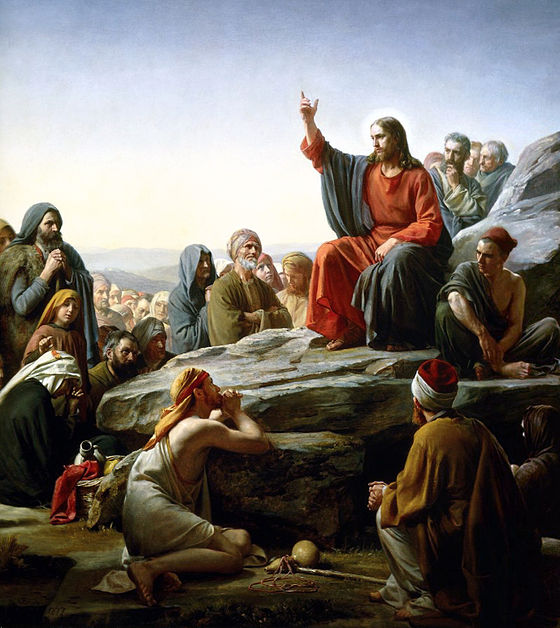
This isn’t a religious post, I promise!
I haven’t read many self-help books all the way through. I have a copy of How To Win Friends and Influence People by Dale Carnegie just because it’s old and it’s considered one of the best self-help books of all time. Since I’m a book blogger, I’ve read plenty of excerpts of self-help books because many of them are bestsellers, and I try to keep up with what’s selling and why.
I never finish reading self-help books because I get the feeling that each one is a scam. If these books aren’t scams, they’re at least scam-adjacent. The worst scams are the self-help books with profanity in the titles. I don’t take advice from people who scream profanity in public or put it in their book titles.
The best self-help comes from The Sermon on the Mount. If you read that and follow the teachings seriously, you don’t need other self-help. Well, at least I haven’t.
First of all, the advice is good, especially if you DON’T take the teachings in isolation. Some of the advice might be strange if you don’t read further and see how it all connects. Most criticism of The Sermon of the Mount comes from picking on an isolated sentence and ignoring everything else around it.
Second of all, there is no scam involved. Jesus is dead (yeah, he was resurrected. but you know what I mean). He’s not some guy telling people to spend $30.00 on a brand new book or pay $500.00 for a seminar. The last copy of The Bible I bought was $8.00 new (and worth every penny). The Sermon is public domain, so nobody cares if you publish it yourself.
If you try to make money on publishing The Sermon on the Mount, however, you’re probably not following Jesus’s teachings very closely. Maybe. I try not to judge too much.
Third, it doesn’t matter what you think about the existence of Jesus. I have no opinion about him. I don’t know if he’s the literal son of God, or a prophet, or a fiction. I don’t even care (that much). The teachings of The Sermon on the Mount are great!
Fourth, The Sermon on the Mount is short. Most self-help books are hundreds of pages full of blather and filler. The Sermon on the Mount is only a few pages long. The teachings are pretty clear. It’s easy to go back and reread the parts you like (or the parts you need the most).
You might disagree with me, but that’s okay. The Bible can be confusing and seemingly contradictory (and there are a bunch of reasons for that, but I’m not that kind of blogger), but The Sermon on the Mount is pretty clear. If you read only one part of The Bible, that’s what I would read.
Maybe I should rephrase that. If you read only one self-help book, then read The Sermon on the Mount.
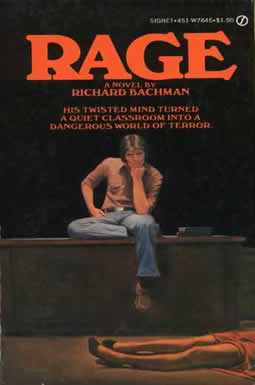
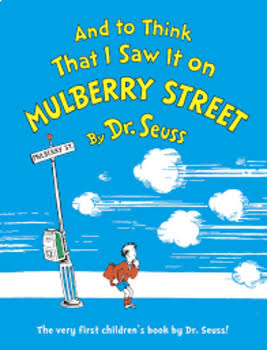
Dr. Seuss fans flipped out a few weeks ago when Dr. Seuss Enterprises self-banned several of his allegedly offensive books, and I understand. One of the books, And to Think That I Saw It on Mulberry Street, is beloved by a bunch of readers who probably aren’t racist (but that depends on which of the countless definitions of the word racist you think is right).
Nobody likes the idea of somebody else controlling what books we’re allowed to read. People don’t mind banning books other readers like, but they don’t like their own favorite books getting banned. And self-banning books just seems weird to some of us.
This situation, though, isn’t new. A few years ago, Stephen King self-banned one of his own books Rage because he believed it might have inspired a bunch of school shootings. At the time, I disagreed, but I understood.
To be fair, Rage was nobody’s favorite Stephen King book. Maybe it was for a few school shooters, but they statistically don’t count.
As I mentioned in a recent blog post, I have an old copy of And To Think That I Saw It on Mulberry Street. Despite the controversial picture, I like the book a lot. I don’t have a copy of Rage. I think I read it in one of those Richard Bachman compilations decades ago, and it was just okay. I don’t remember anything about it. I remember so little about it that I might not have even read it.
I remember some scenes from a few other Stephen King books like The Stand, Christine, and It, where characters were perverts, but the scenes were written in a way that (to me) made the author Stephen King seem like a pervert. Several of these scenes involved minors, which makes Stephen King look even worse.
If I were Stephen King (and I’m not, by the way), I’d think about self-banning these scenes out of my novels or maybe rewriting them to tone them down a little. School shootings are probably worse than having sexual thoughts about minors, but these scenes still are not not cool. And I’d think that having sexualized scenes involving teens is worse than a racist picture in a children’s book.
At least the two are close. Maybe. I’m still processing that one.
I don’t think anybody misses Rage by Stephen King. If I didn’t already have a copy of And To Think That I Saw It on Mulberry Street, I’d miss it.
On a side note, one week after several Dr. Seuss books were self-banned, Dr. Seuss book sales skyrocketed.
*****
Four of the top five bestselling titles last week were Seuss books, and their sales dwarfed sales in the same period a year ago: Cat in the Hat sold about 105,000 copies last week, compared to 22,000 copies in the first week of March last year; Green Eggs and Ham numbers were 90,000/34,000; One Fish Two Fish Blue Fish Red Fish, 88,000/26,000; Oh, the Places You’ll Go!, 74,000/43,000; and Fox in Socks, 64,000/23,000. Overall, unit sales in the juvenile category rose almost 58% over the comparable week in 2020.
It wasn’t just Seuss books that drove the gains last week. Sales in adult fiction jumped 40%, helped by a strong showing by the sale of nearly 80,000 copies of Sister Souljah’s Life After Death and sales of almost 57,000 copies of Stephen King’s Later.
Read more at Dr. Seuss Books Ruled Last Week’s Bestseller List.
*****
What do you think? Will you miss any of the books that have been self-banned? Is self-banning going too far? Should more authors self-ban their creations?