When I was younger and had friends, most of them could read just fine, but reading books for pleasure wasn’t their first choice of leisure activity. My friends had other stuff (often called hobbies) that they liked to do, and they didn’t consider reading as a hobby. Reading was what you did when you couldn’t get to your hobbies (unless you were reading about your hobbies). Today, men have the opportunities to have more hobbies than ever, and even though some of these hobbies might seem counter-productive, they’re still there and are usually more important to most men than reading current fiction for fun.
This leads to a common observation today that men tend to not read for pleasure, especially fiction, anymore. Book readers, a lot of them women, usually attach a negative judgement to that observation, but the only public discussions I have seen about this topic are by book readers (usually women) with other book readers (usually women). Nobody seems to talk to the males who don’t read fiction to find out why they/we aren’t reading fiction, so these book readers (usually women), in my mind, have no credibility when they make judgements about why so few men read fiction now.
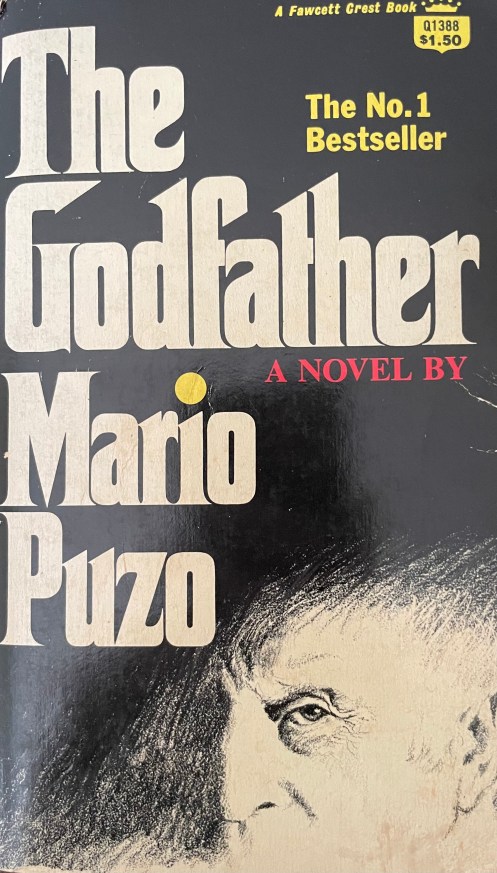
Here’s why I am more credible than a lot of people who talk about this topic. I am male. I read. I know men who don’t read much fiction, and I know why they don’t read much fiction, and I understand it (meaning I don’t look down on them because of it). I don’t see NOT reading fiction as a character flaw. I know men who read avidly, and I also know men who read only when there’s nothing else left to do, and I know men who don’t read at all. The short version is that some men simply don’t like reading, and then others that don’t mind reading have other things that they’d rather do.
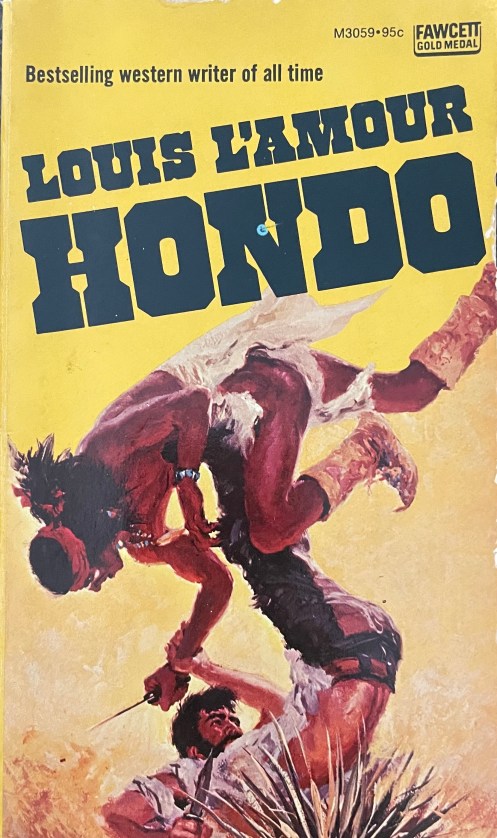
When I was teaching, I tried to get my reluctant readers to enjoy books. I really wanted my students to enjoy reading in general, so I’d escort them to the library once every couple weeks and let them choose their own books for easy projects that they could present in small groups without any classroom pressure. I read a lot of YA fiction and talked about these books and left copies of books in visible spaces in my classroom. Most of my efforts were futile as far as I know (in the library, the girls would hide behind the shelves and gossip while the boys would beat on each other and have fart contests), but a few students got into the reading projects, and I saw the carryover into their regular reading habits.
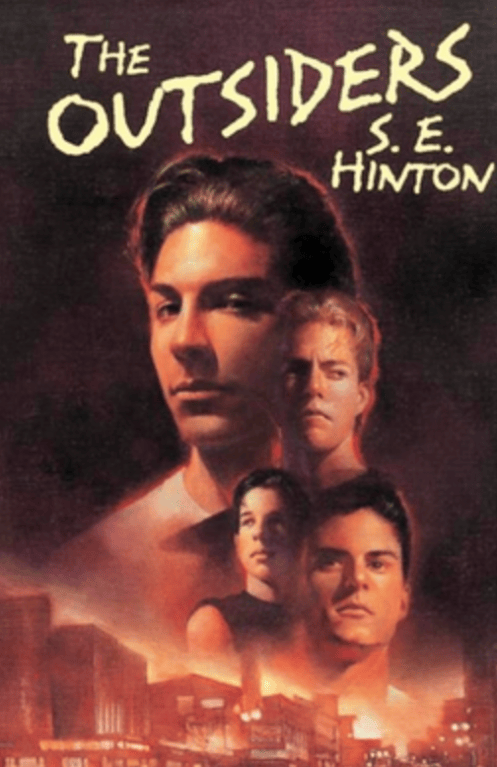
When I told my youngster co-workers at the grocery store (I did that for a few years after teaching) about the city’s main branch library five minutes away, they would seem surprised that anything like that even existed. The youngsters had admitted to me that they didn’t read (when they found out I was a retired English teacher, they’d confess their lack of reading to me as if I were a priest). I’d ask them about their interests and about the movies and television shows they watched. From there, I’d make some book recommendations and suggest that they check out the city’s main branch library. I also warned them, however, to stay out of the main branch library’s bathrooms. I appreciate the big city main branch library, but you never know what ‘treasures’ you’ll find in the bathroom. Ugh!
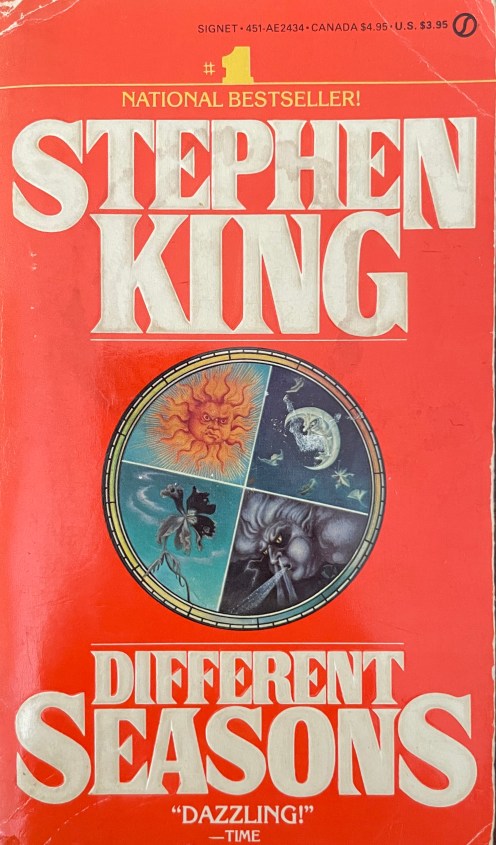
From what I’ve observed, men and women tend to read different kinds of fiction. Men read adventure novels and thrillers because we live through the exploits and achievements of the protagonists. We’d love to be the physically superior hero who’s also smart enough to think his way through life’s adversity and challenges, no matter how far-fetched those challenges might be in the novels we read. Women, from what I’ve seen, tend to read romance type novels because they live through the protagonist who’s often swept off her feet by a handsome guy who can solve her problems (or give her the dramatic problems that she loves to have). We read these low brow books to imagine ourselves doing what we can’t do in our own lives… to some extent. If you read this paragraph and don’t think you’re like this, that’s fine. You might be right… or you might be in denial. I’ll never know (and you might not really know either).
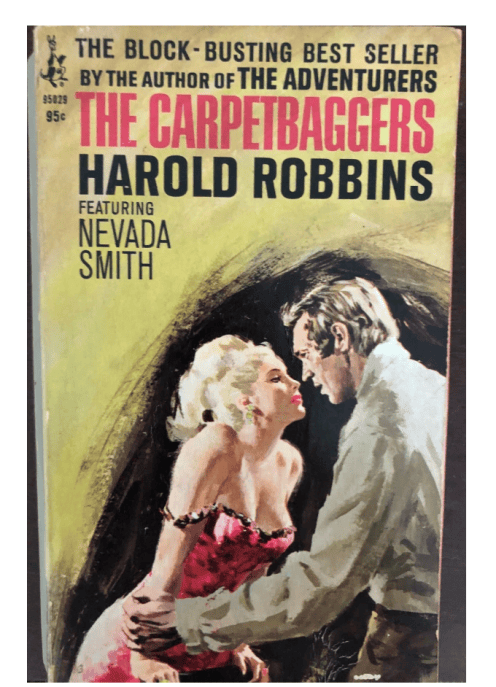
Some women act like they’re superior to men because women read more fiction than men, but now that I know what a lot of women read, they don’t have much room to brag. A lot of current fiction is so poorly written that it probably makes women dumber when they read it. That’s okay. A lot of current fiction has made me dumber when I read it too, so I blame the books and not the women. The problem, though, is that some women still keep choosing to read these current books/novels that make them dumber, and that’s their fault, not the fault of the books or the publishers. If I know ahead of time that a book will make me dumber, I’ll (usually) choose not to read it.
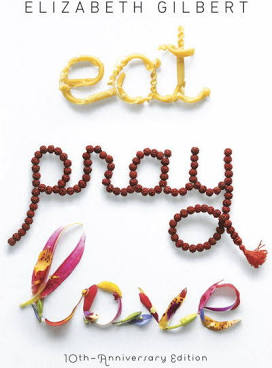
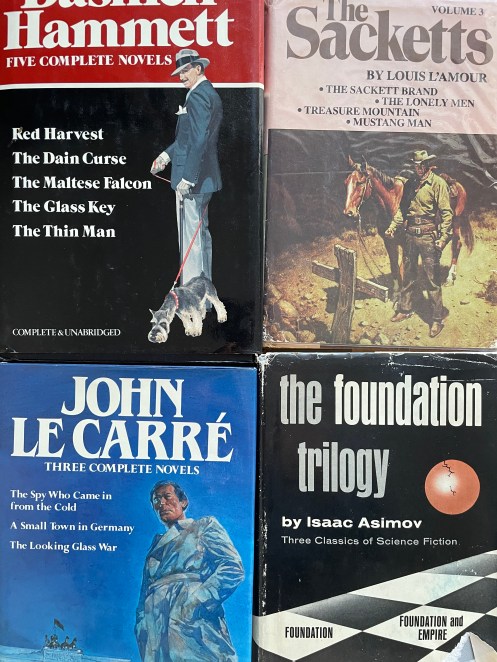
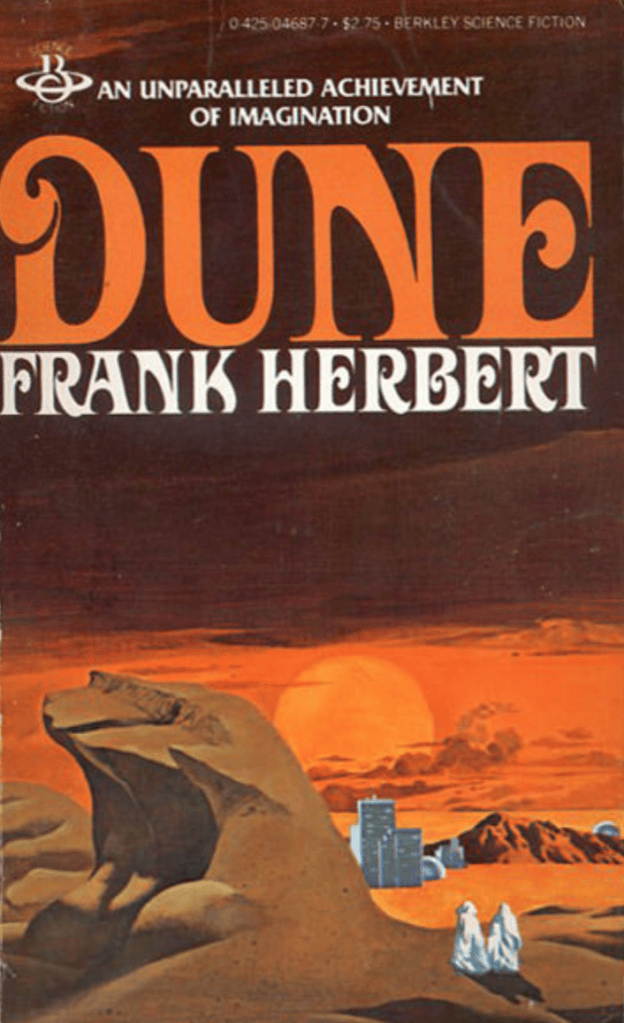
Having said (or written) that, the books that men (have, do, will) read in this blog post might not be the most sophisticated books (they’re not sophisticated at all), but they won’t make you dumber. At least, they didn’t make me dumber; I’ve always been like this and would have been like this anyway. Keep in mind that these books that I’m posting aren’t the only books that men (have, will, do) read. These are simply the books that I have seen men read for myself or heard them talk about, usually enthusiastically. Also, you can click on each book to read previous blog posts about them. What you choose to do with this information is up to you, but IGNORE ME AT YOUR OWN PERIL!!!
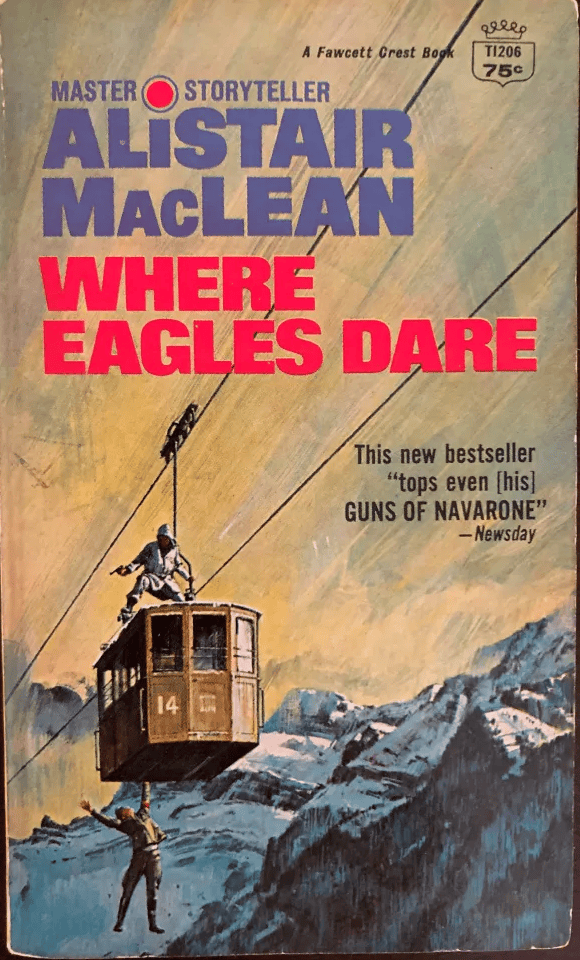
As mentioned earlier, I’m not surprised that men today might not read as much fiction as they/we did decades ago. There’s a lot more of other stuff to do now. Reading is often not a man’s first choice of leisure activity. Yeah, I’m a man, and reading is often my first choice of leisure activity, but I’m an outlier, and I recognize that. I’ve had friends who COULD read but usually didn’t because there were other things that were simply more important to do. A book would have to be really good to get their attention. That is one reason why I say “Just because you CAN read Moby Dick doesn’t mean you should” at the top of my blog page.
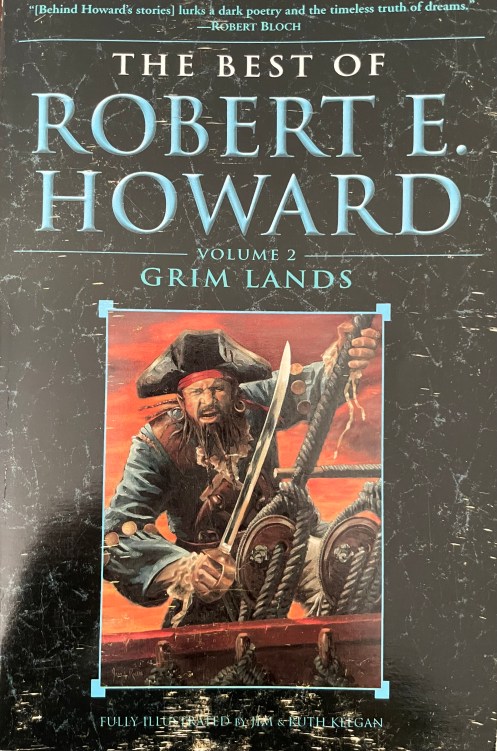
Some men read nonfiction in order to learn things but think fiction is a waste of time. I’ve been through that phase (as mentioned in Is Reading Fiction a Waste of Time?), but it didn’t last long. I like stories too much to stay away from fiction for very long. People in general need stories. Morals are taught through stories. Philosophical and religious ideas are given in stories because the average person will listen to and understand the parable or the story but will doze off during a lecture or simple explanation.
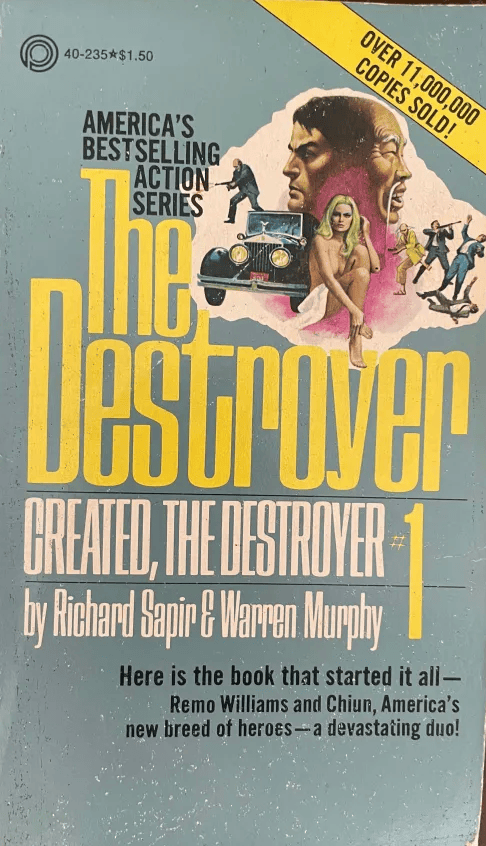
Way back in the 1980s, I was taught that women would read stuff that was by/about men, but most men wouldn’t voluntarily read stuff by/about women, and that was partially why more books, even fiction, seemed more geared towards men in the past (that and the …PATRIARCHY). Now that most current fiction seems geared towards women, a lot of men have voluntarily stopped reading current fiction. By ‘a lot,’ I mean me and a few guys that I know. I have no reliable data to support that claim. So which is it? Is so much fiction aimed at women because men tend to not read fiction anymore? Or do men not read fiction because so much of it is meant for a female audience? Is it both? Is it neither? Did I learn fake/bogus information in the 1980s?
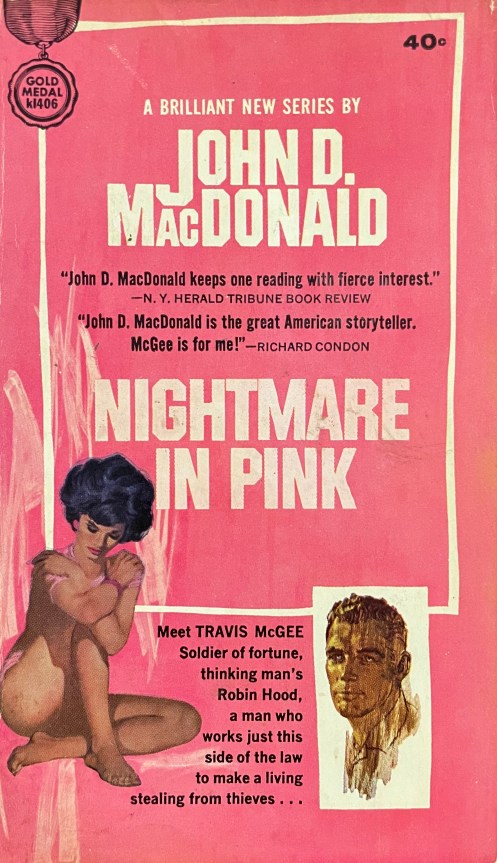
Me? I’m not complaining that fiction overall seems to be aimed at women rather than to men or to a general audience. I have plenty of old books to read, more than I’ll ever be able to get to. Any man who wants to read fiction geared towards men can find old stuff that’s cheap, to the point, and entertaining, everything that most men want in fiction. Men who like to read don’t like to pay $20 for a new book anyway when a $3 beat up used paperback will do just fine.
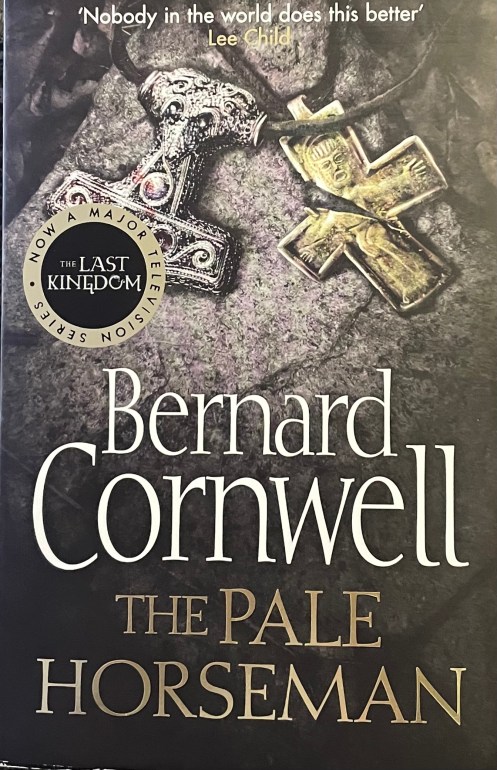
I admit that I and my friends and family members who read could be outliers and that the vast majority of males no longer have any interest in reading. I also understand that a lot of women will read the same books that a lot of men like. I know that I’m using a lot of generalities in this blog post and that there are exceptions to every generalization that I make. I also know that I’m using anecdotal evidence, which isn’t really evidence according to a bunch of experts about evidence. I know this.
I SAID THAT I F***ING KNOW THIS!!!! YOU DON’T HAVE TO KEEP TELLING ME!!!!… Ahem…. Excuse me.
*****
If you’re a man who wants to read fiction but isn’t sure where to start, the above books have a pretty good track record, and you can usually find them cheap at used book stores or online. Even better, a lot of these (or similar novels by the same authors) will probably be at your local library. Library books are free, and the pile of books that you read don’t clutter your home when you’re done with them. But if you live in a big city and you go to a main branch library, you might not want to go to bathroom there.
*****
Enough about me and what I think? What do you think? What books do you see men reading for fun? Do men generally have different reading preferences than women? Is this just another stoopid issue meant to promote division and make people argue with each other? Show your passion for reading by leaving a comment below!
*****
If you like this blog, check out my ONE and ONLY novel!!!
It’s the oldest story in the world, 1990s style! Man meets woman; man falls in “luuuvvv” with woman; man gets blindsided by reality!
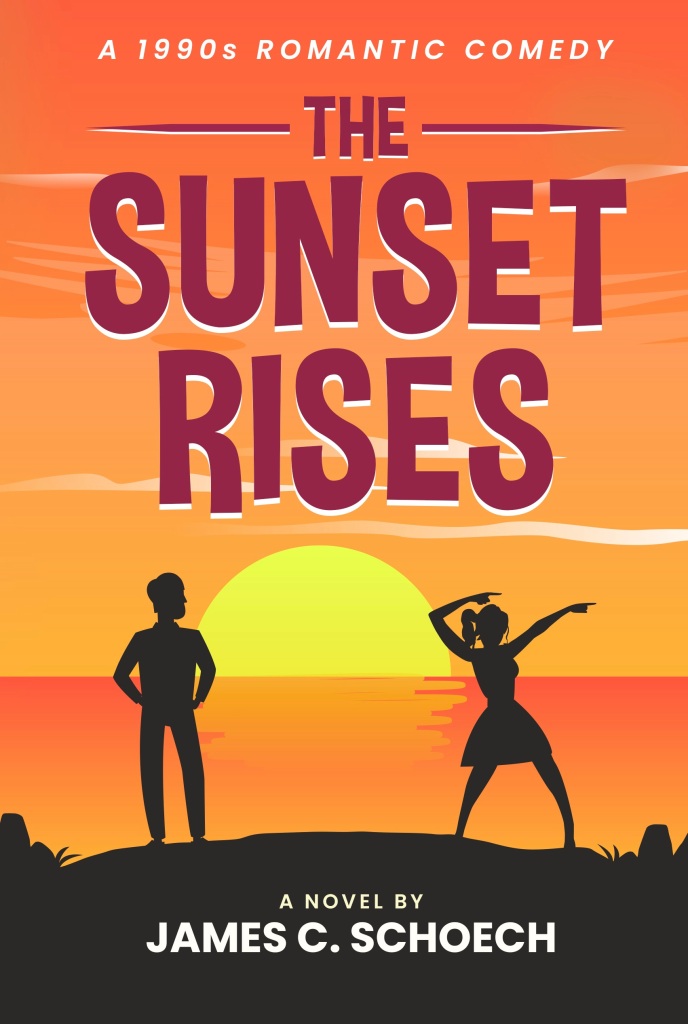
The Sunset Rises: A 1990s Romantic Comedy is now available on Amazon !
*****
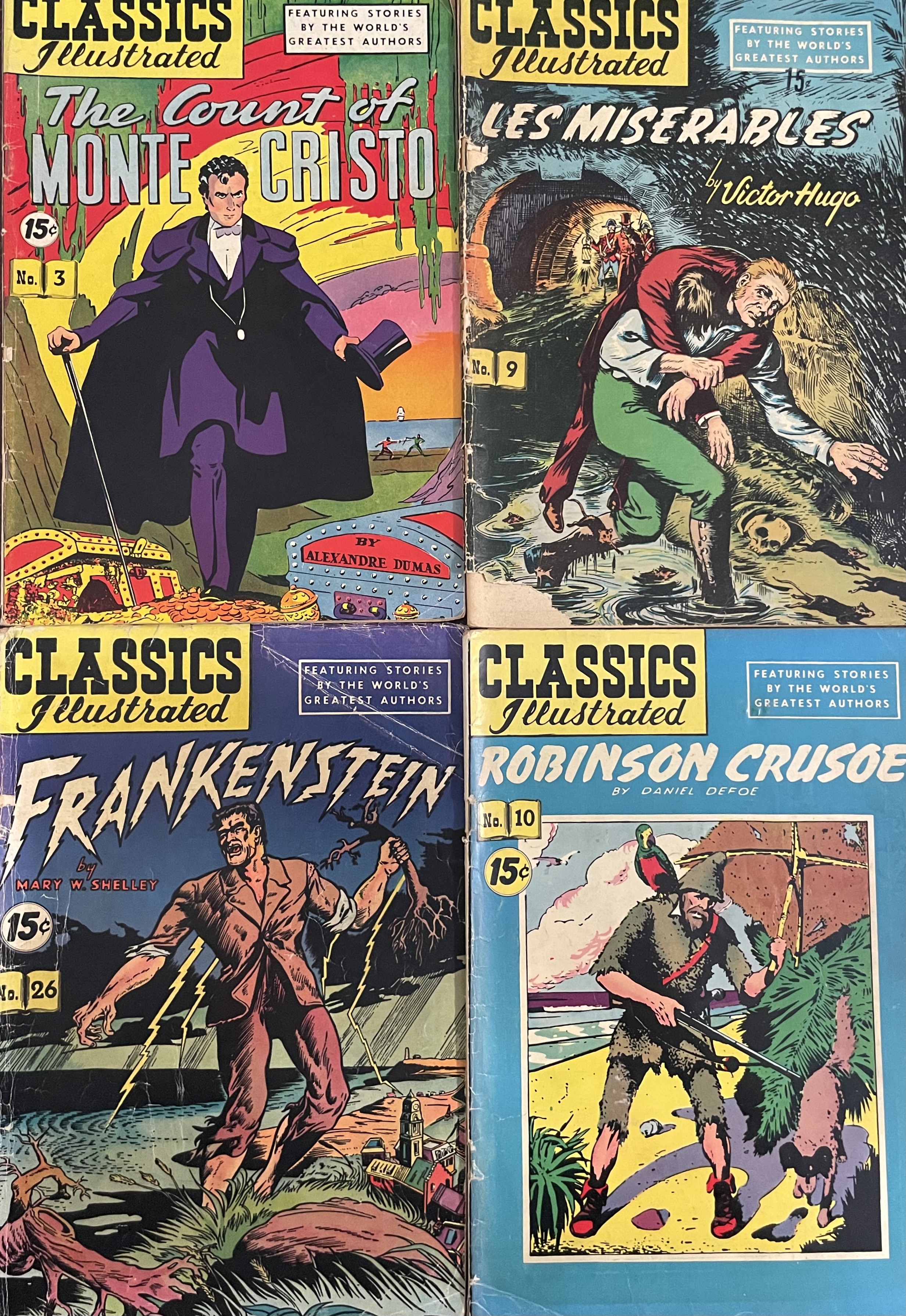
A lot of book readers today would love to read more classic novels, but everybody knows that old literature can be more difficult to read than today’s average bestseller. However, if you want to read some old classic novels but are reluctant to for whatever reason, you might want to try reading some old Classics Illustrated comic books first. These crusty old beat up comics got me started on reading classic novels decades and decades ago.
Collecting these Classics Illustrated comic books might be easier to do than you think. First of all, Classics Illustrated comic books are extremely undervalued in today’s market if you’re patient on eBay or other online auction/trading sites. Since these Classics Illustrated came out in the 1940s and 1950s, you might expect to pay a lot for them, but you can get them for a few dollars each, sometimes even with shipping included.
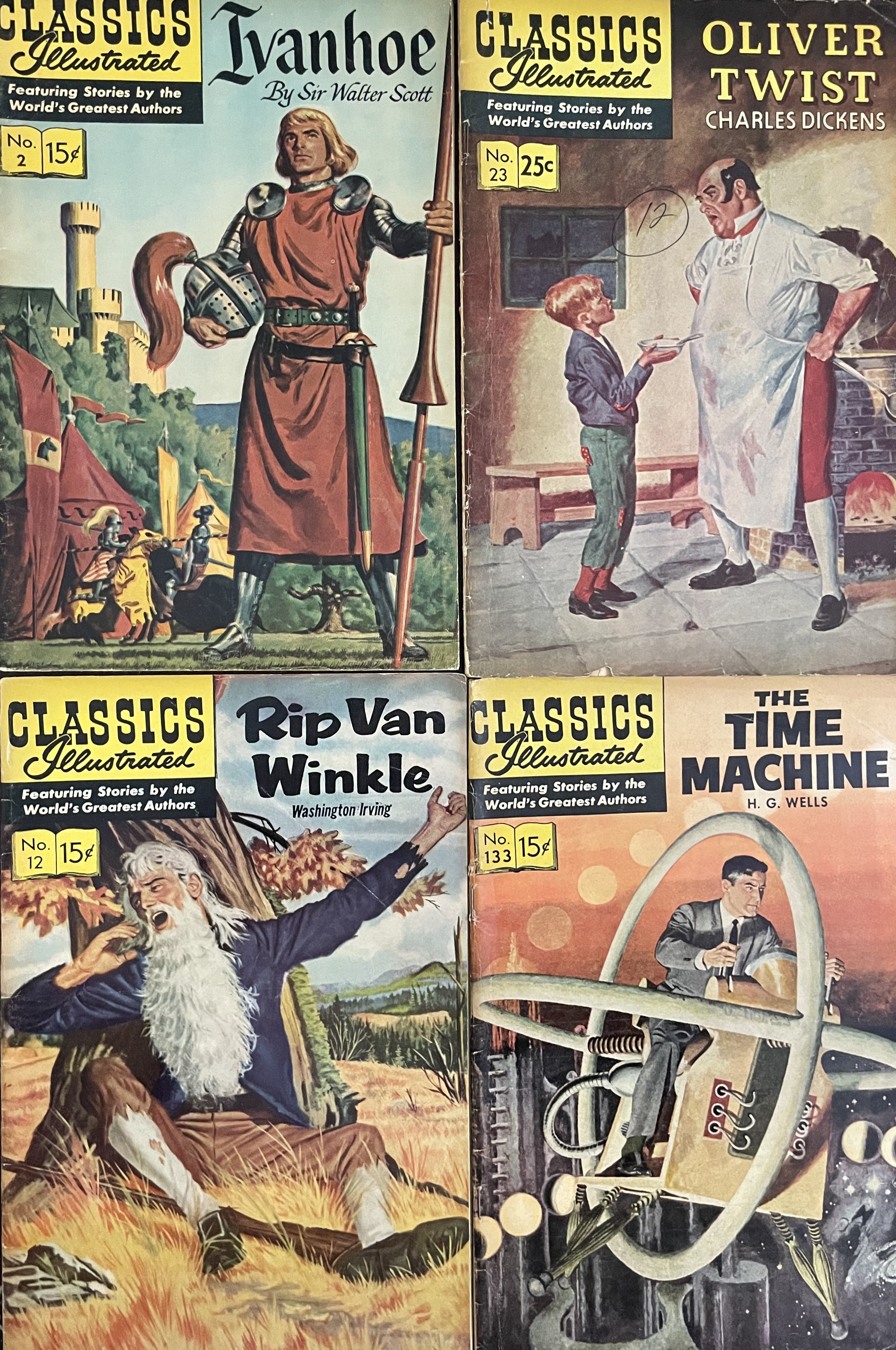
Once you get your beat up copies (they don’t necessarily have to be beat up), read the Classics Illustrated comic book to get a basic understanding of the novel of your choice. You can accompany the comic book with an online summary if you’re looking for more literary analysis than what a comic book will provide. Plus. if you have a tough time visualizing a particular time period or character activity, these comic books can also get you started on that too. At least, these got me started decades ago, so if this unintentional strategy could work for some goofy red-headed kid with high-waters in the 1970s, this strategy could work for you too.
SNEAK PREVIEW!!
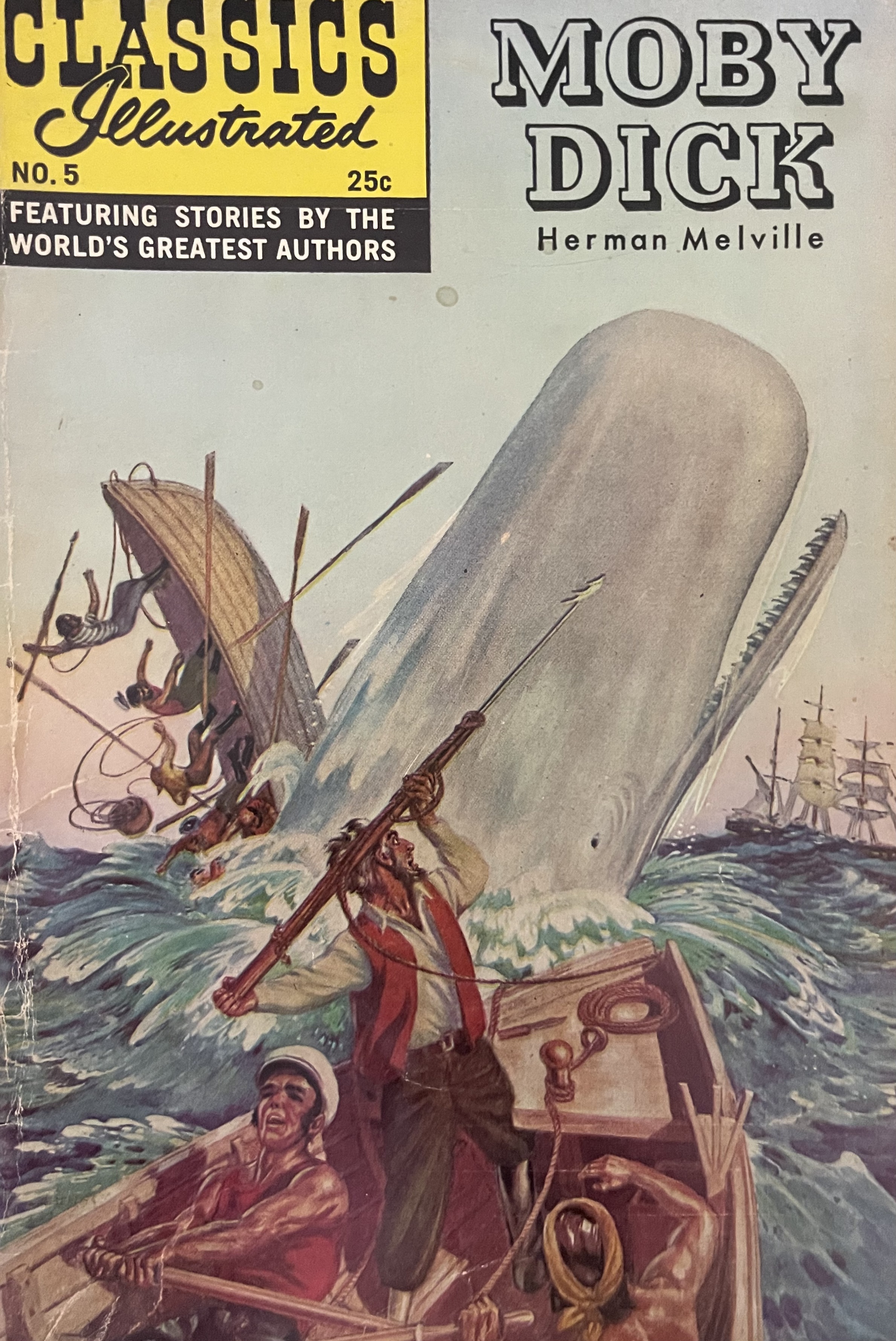
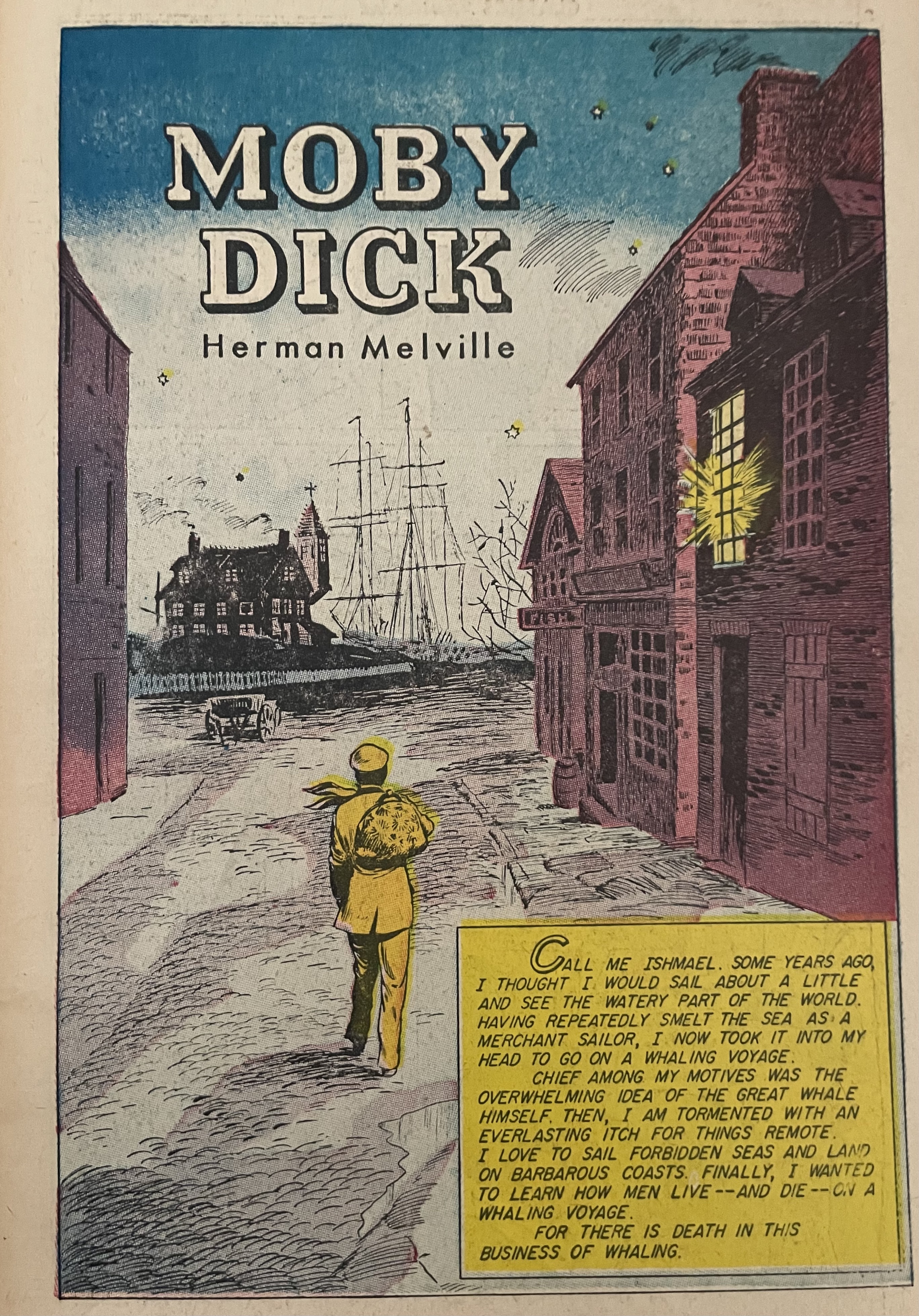
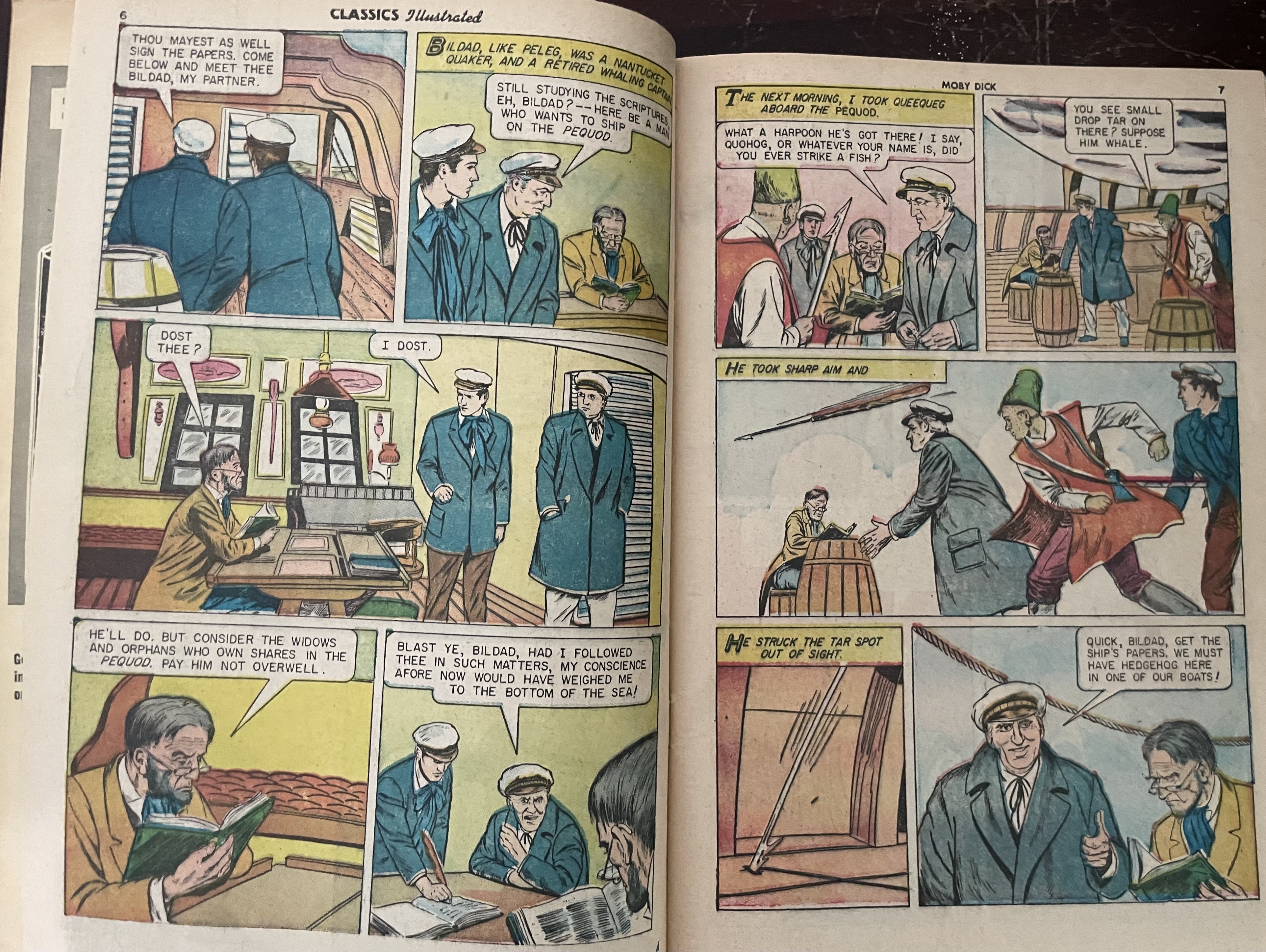
Once you’re done with the comic book, theoretically you should read the entire novel, but (Ha!) that’s still not always feasible, so you can instead skim through the actual novel and look for the scenes that you’re interested in. I always read portions of the novel (sometimes not much, though) just to get a feeling for the prose. Then I can still legitimately claim to have had made an actual attempt at reading that particular novel, and if I have an opinion about it, I have legitimate reasons for my opinion. Well, at least they’re kind of legitimate. Somewhat legitimate?
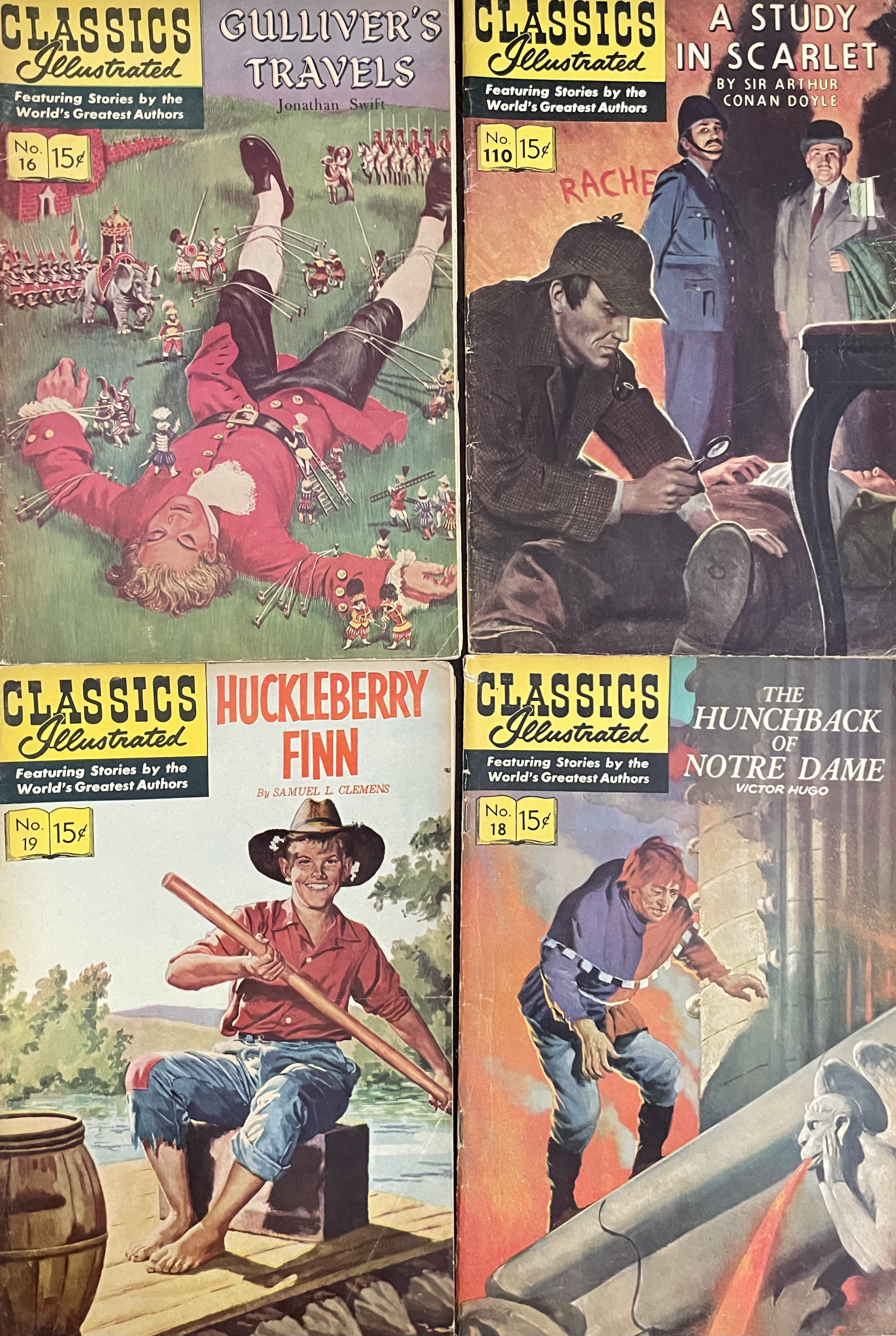
If you think using a comic book is cheating, maybe you’re right, but so what? It’s only cheating if you’re doing this for school and relying solely on the comic book. After all, it’s better to use a comic book while reading a classic novel than not to read the classic novel at all, and it’s probably more accurate than any movie you’re going to watch. With Classics Illustrated comic books, you get visual summaries of classic novels, and you get some cool, cheap, old comics along the way as well. And cool, cheap comic books are the best!
ANOTHER SNEAK PREVIEW!!
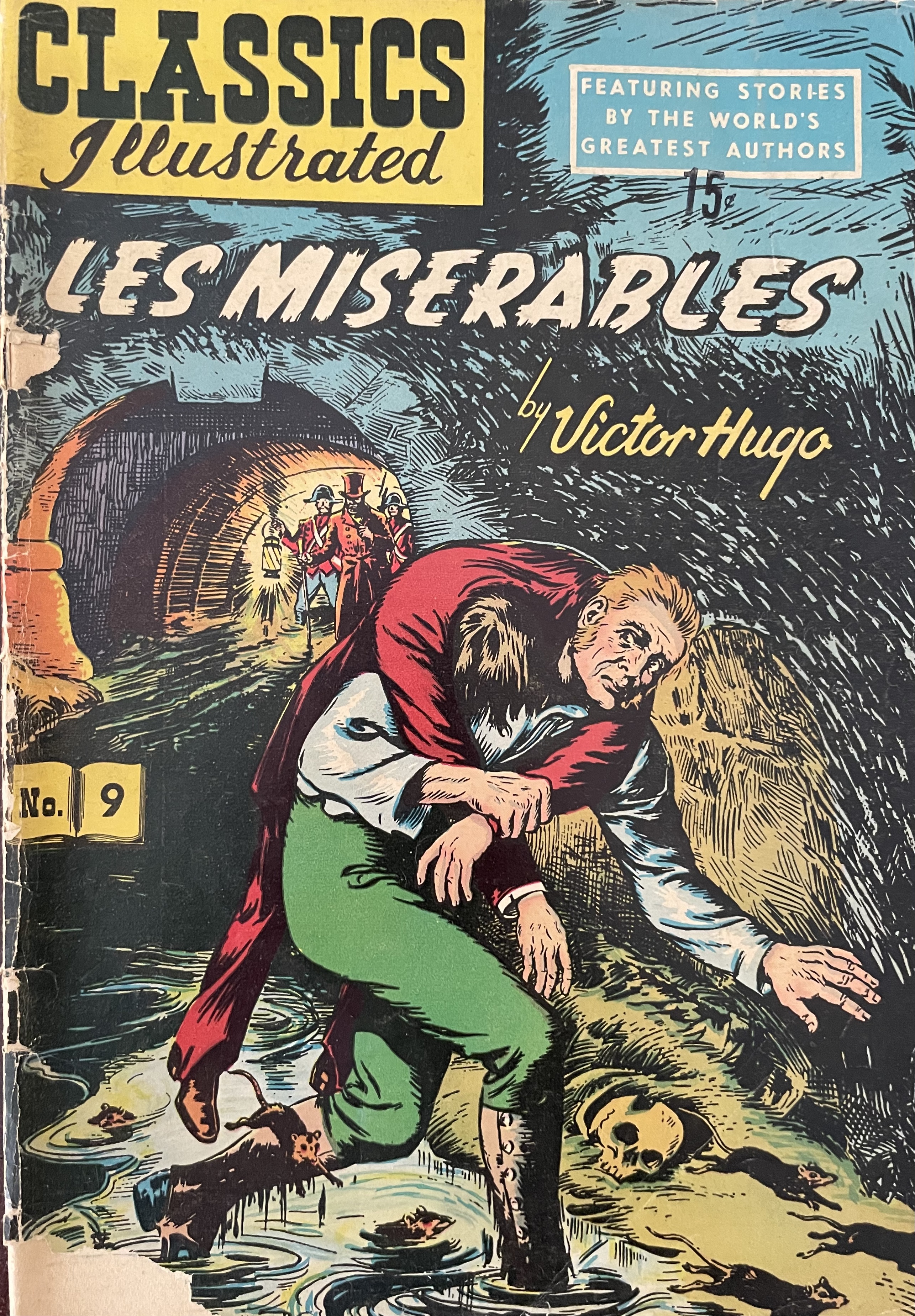
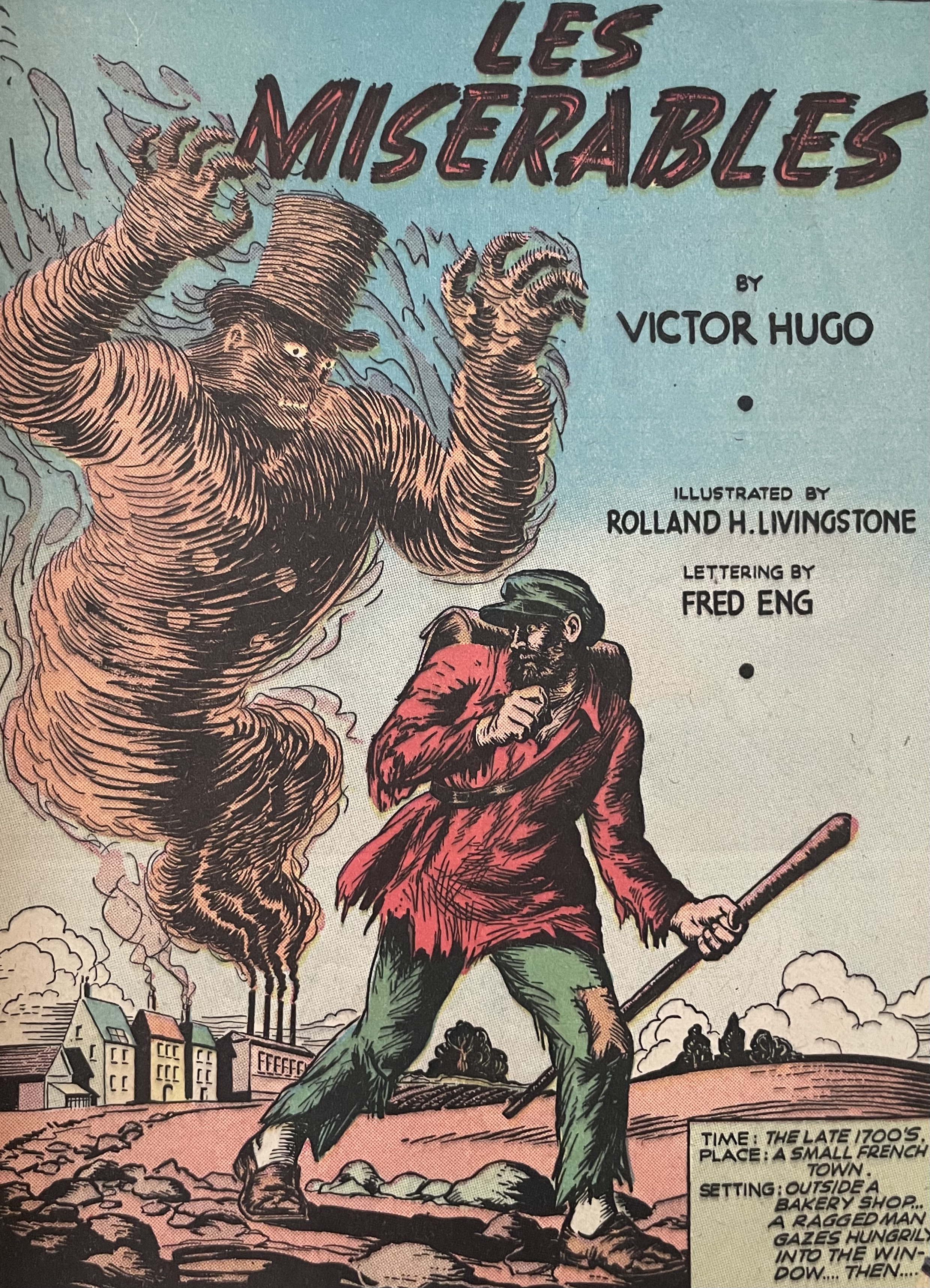
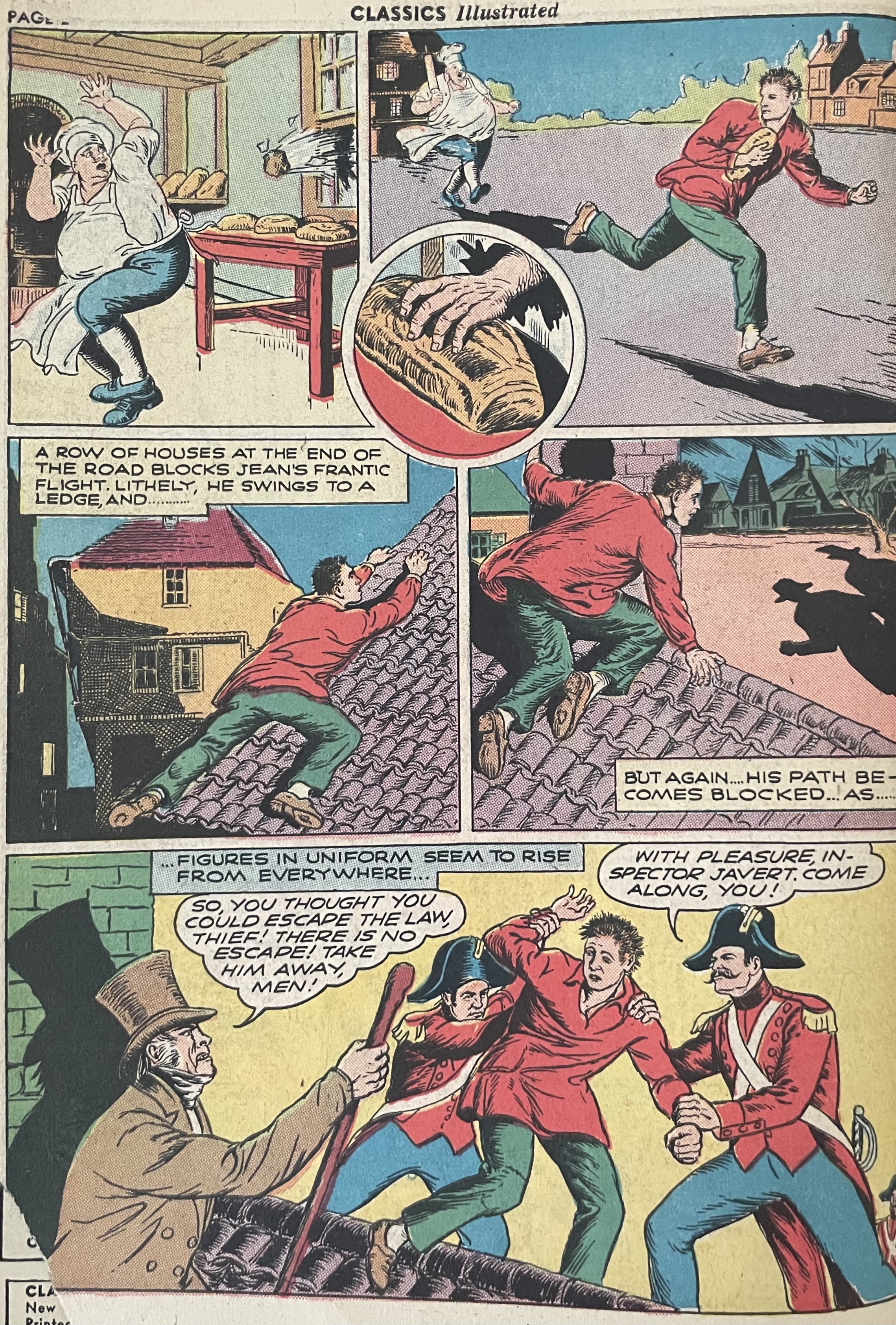
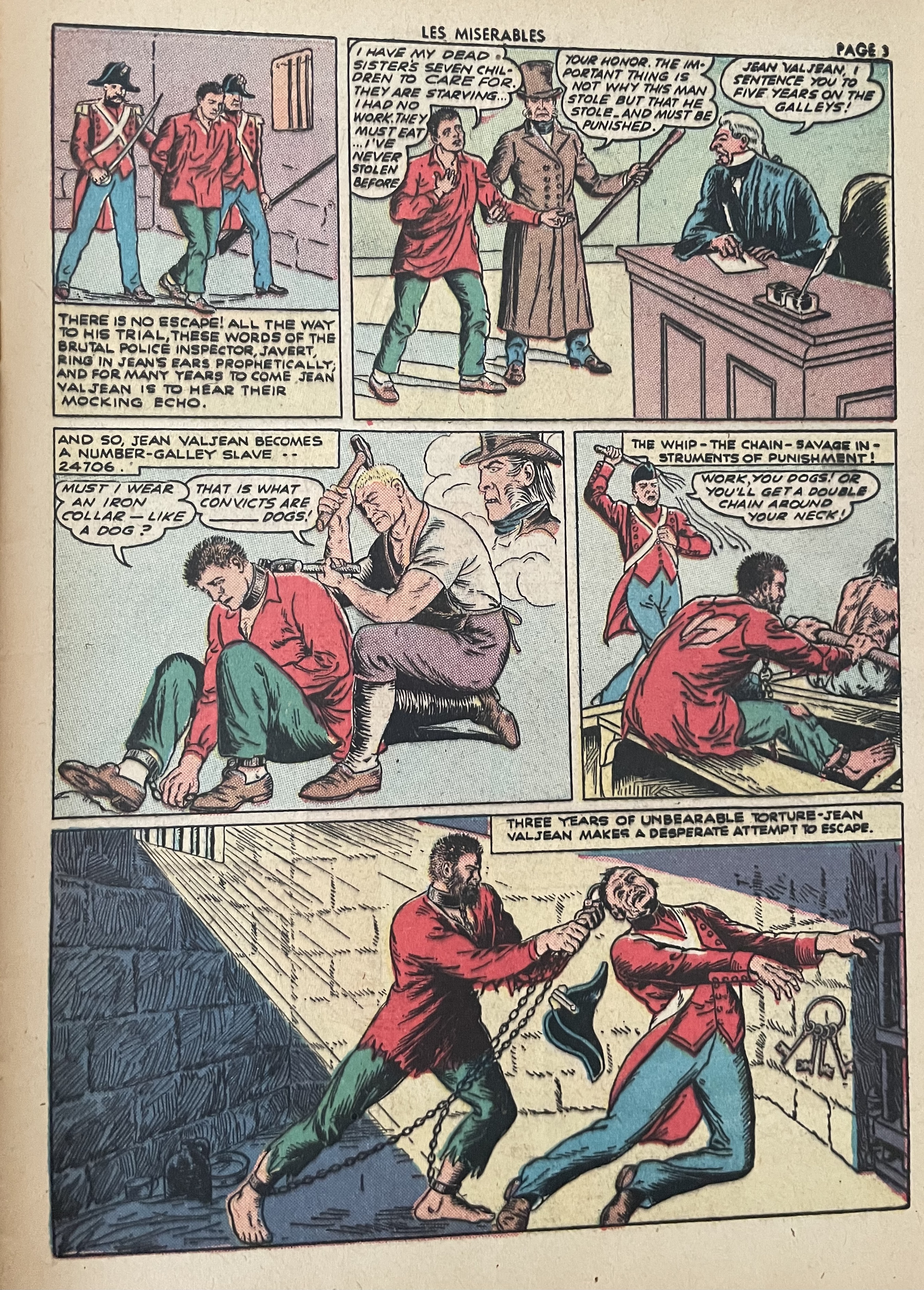
Life is short, and there’s no guarantee that you’ll get to all the books that you want to read. Using Classics Illustrated helped me ‘read’ a lot of novels that I’d otherwise never have gotten through or have even attempted. And that in turn has given me more time to read the junk that I really like, such as old paperback bestsellers, sword & sorcery short stories, Golden/Silver/Bronze Age comic books, old comic strips, cheesy pulp adventure/mystery novels, cheesy pulp short stories, out-of-print collector edi…
TEASER TRAILER!!!
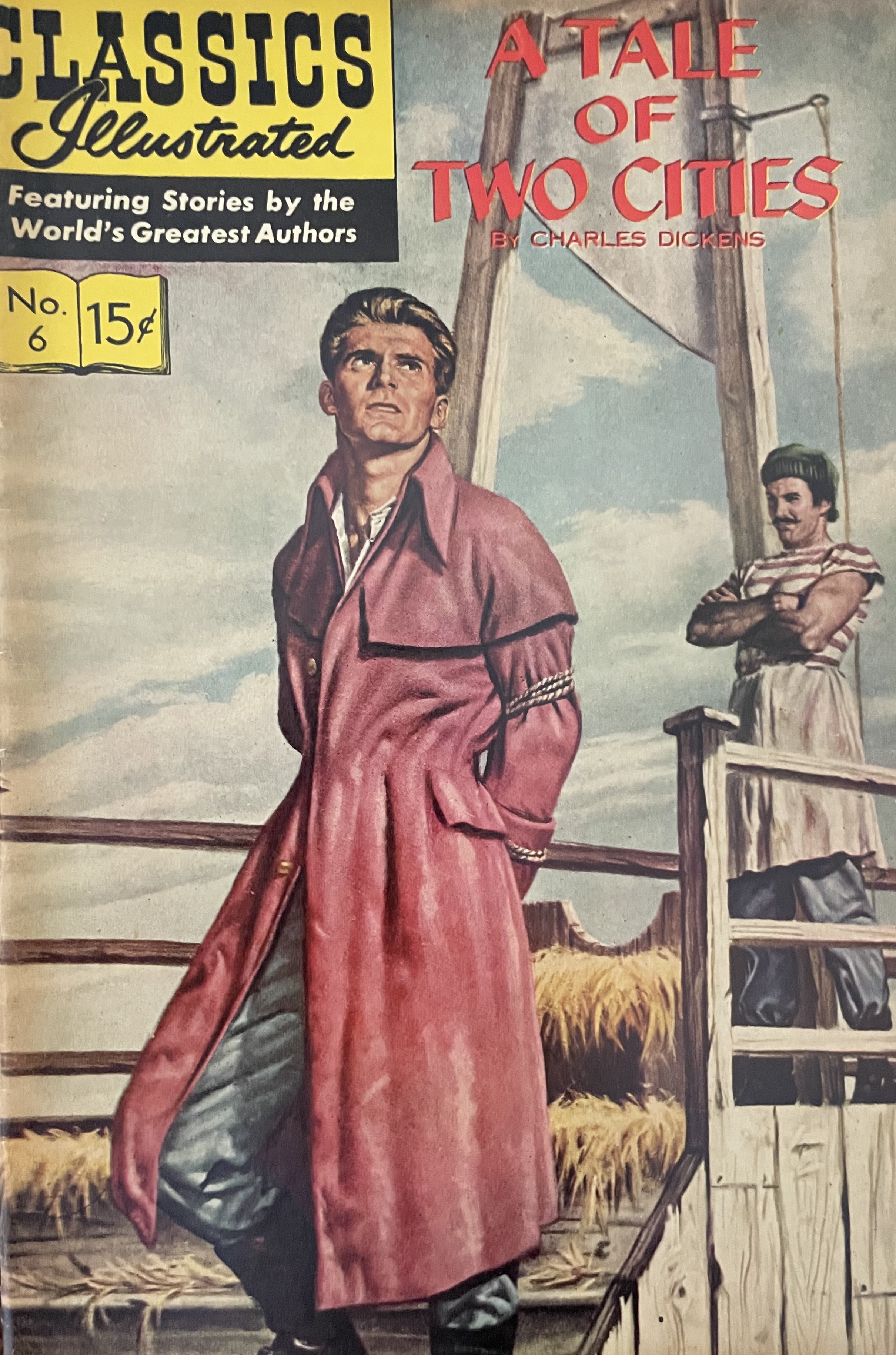
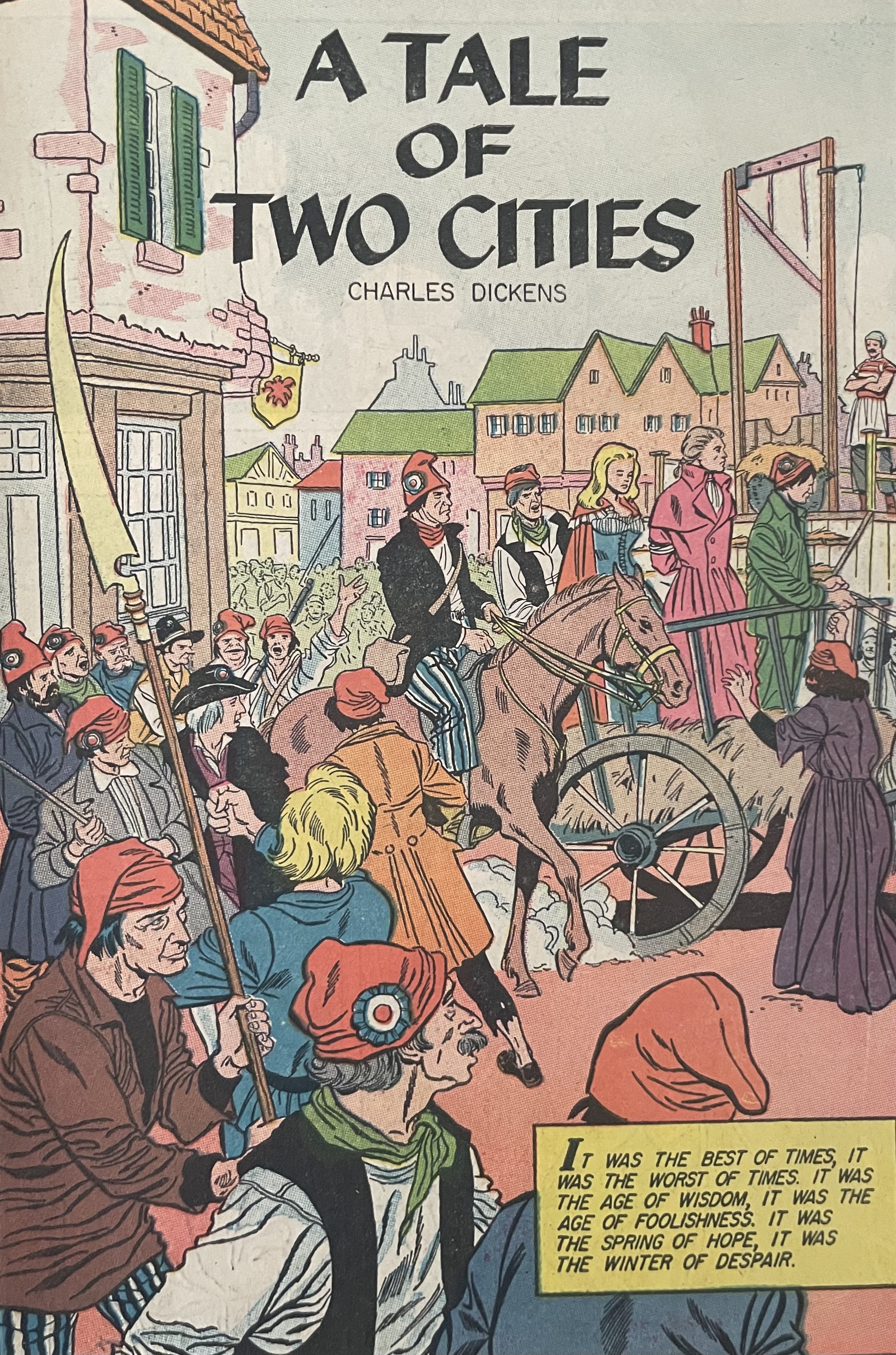
Enough about me and my opinions/experiences! What do you think? Is it cheating to use Classics Illustrated when reading classic literature? Does stuff like that even matter once you’re out of school? What novel would you like to use a Classics Illustrated with? Show that you’re not a literature snob by leaving a comment below.
*****
For more about classic comic books and/or classic literature, see…
The Comic Book/Comic Strip Home Page
How Classic Comic Books Led Me To Classic Literature!
Why Should I Read This? Ulysses by James Joyce
Bad Sentences in Classic Literature: The Great Gatsby
*****
Here it is, my ONE and only novel!!!
It might never be considered classic literature, but it’s the oldest story in the world, 1990s style!
Man meets woman; man falls in “luuuvvv” with woman; man gets blindsided by reality!
The Sunset Rises: A 1990s Romantic Comedy is now available on Amazon !
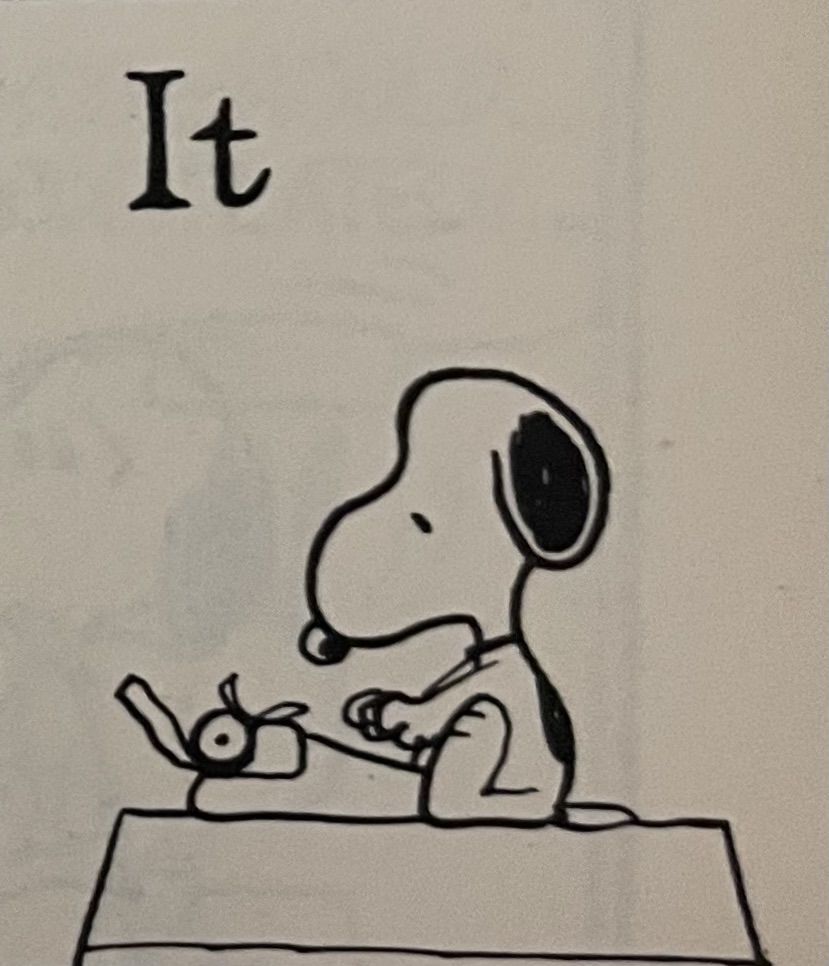
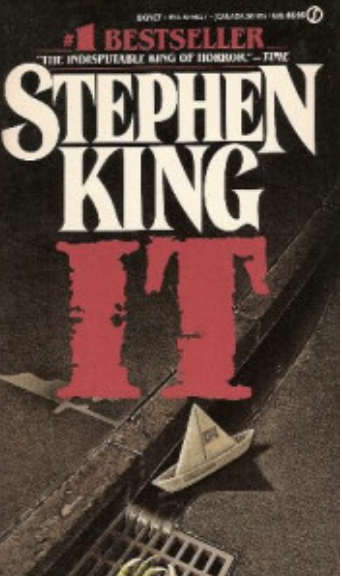
When the novel It by Stephen King came out in the 1980s, everybody thought It had an interesting title. The ‘it’ was a mystery, though. What was the ‘it’ in It? Since author Stephen King was already popular at the time, these questions were worth getting answered, and a lot of people read It to find out. But twenty years earlier, there was another ‘it’ mystery that never got answered.
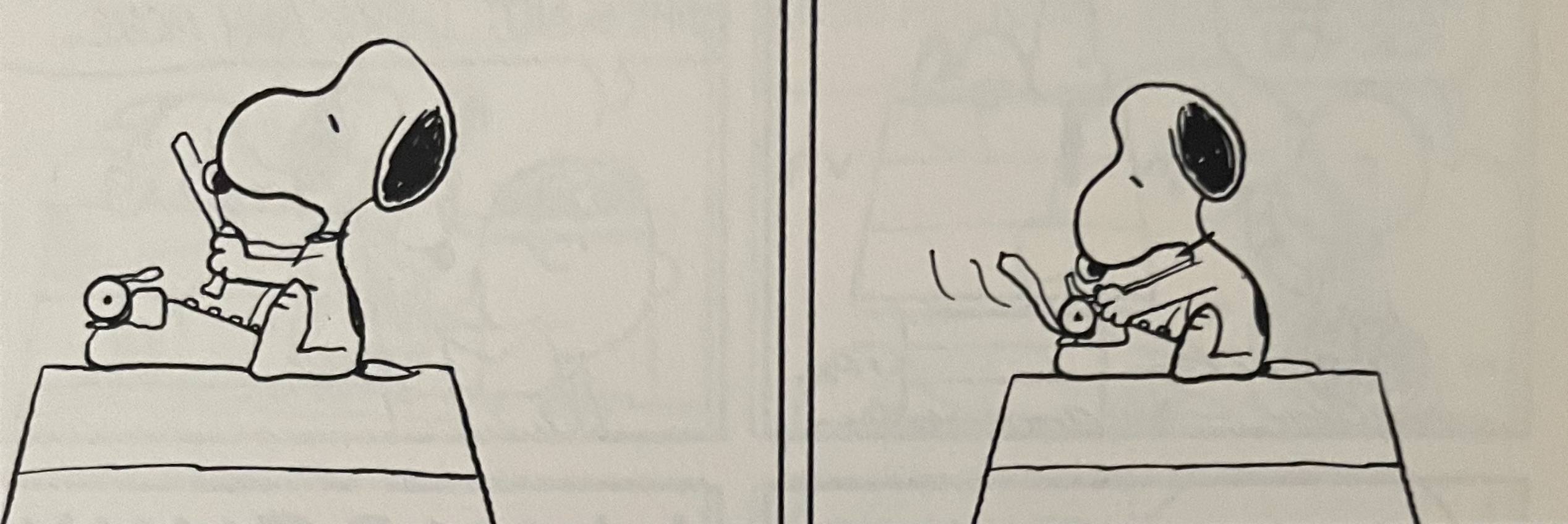
This Peanuts comic strip came out in the late 1960s (maybe even in 1970) at a time when a young Stephen King might have seen it in the funnies section of his local newspaper. I know that I was often inspired by Snoopy’s writing when I was a kid. It’s possible that Stephen King was as well. I was also inspired by Stephen King’s writing years later when I was in high school, even though I’ve never tried to write horror.
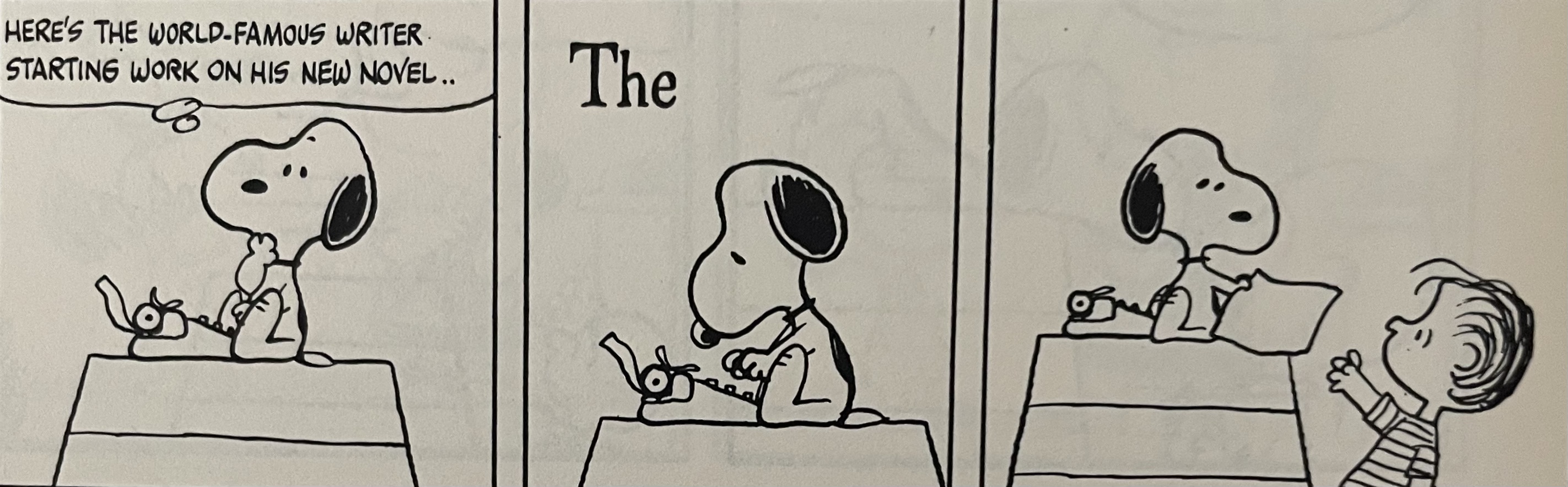
I always related to Peanuts because I felt like I had Snoopy’s personality but that I was trapped in Charlie Brown’s body (even though I don’t look like Charlie Brown). I had/have an imagination and like/liked to act out on it as Snoopy does, but I was usually shut down in some way by family or social structures when I was a kid, and that has had a huge affect on me as an adult. I’m sure a lot of people, especially those in my generation, can relate to Snoopy in the same way and were probably shut down the same way that I was, so I don’t think I’m anybody special or anything like that.
Thankfully, I don’t relate nearly as much to the demons that haunt Stephen King’s mind. King has suffered through addictions and obviously has had some dark moments in his life to come up with some of the ideas that he’s had. Yeah, he’s sold a lot of novels and made a lot of money, but I wouldn’t want to trade lives or experiences with him. I’m fine with what I have and what I’ve accomplished.
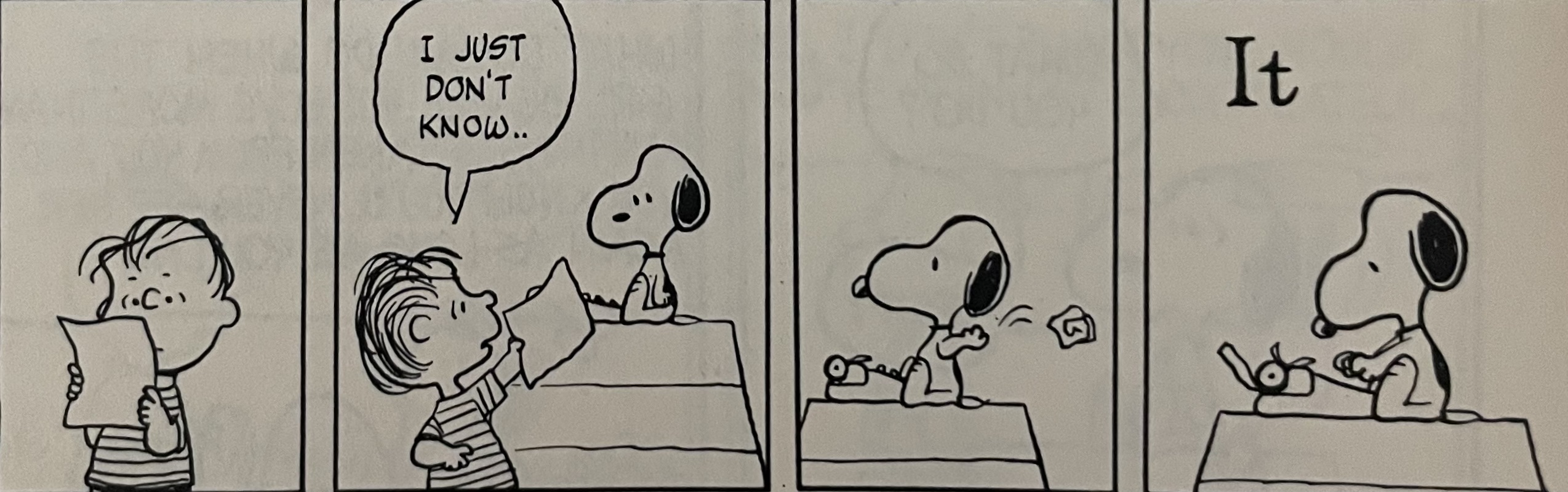
Charles Schulz drew one comic strip a day on average because the funnies page in the newspaper needed a daily cartoon, and Schulz was consistently good and often great. On the other hand, I think Stephen King could have written fewer novels and should have taken more time with a few that were just okay but could have been great if given more attention. Then again, I’m just a blogger, so who am I to give advice like that?
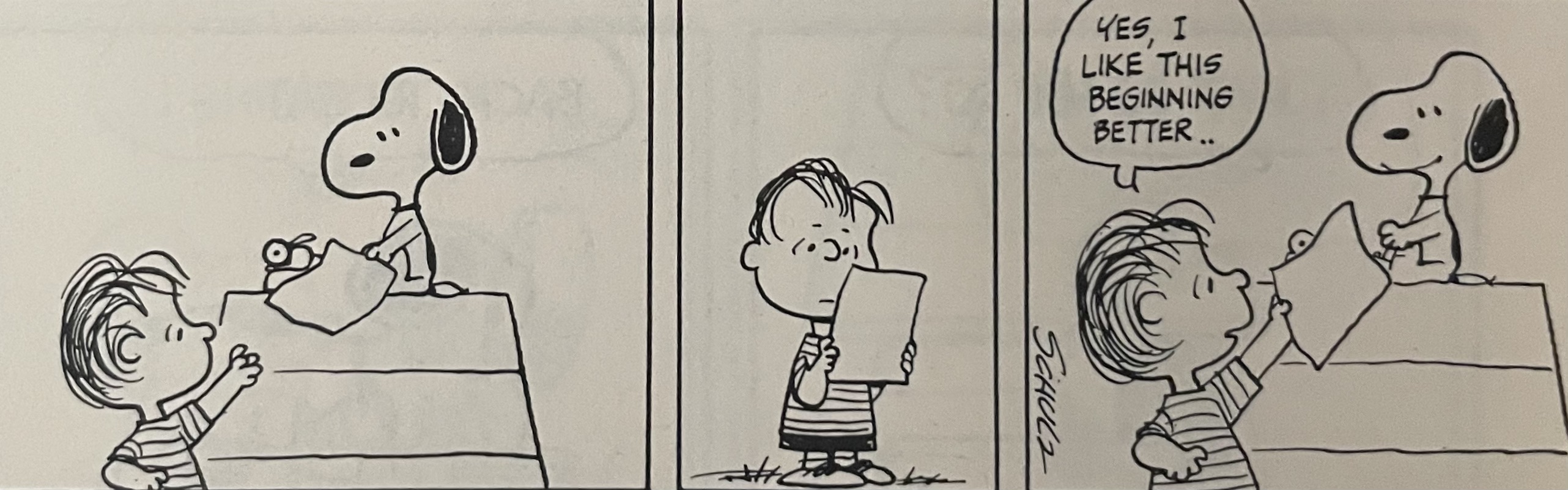
Readers of It by Stephen King eventually learned what the ‘it’ was by reading the novel, but we never learned what the ‘it’ in Snoopy’s It was. I’ve tried to find out. I admit that I haven’t read every single Peanuts comic strip ever, but I’ve read a lot of the hardcover AND paperback Peanuts books and have never seen a continuation of this storyline. That’s too bad. I would have liked to know what Snoopy’s book was about. I definitely would have read Snoopy’s It novel.
Charles Schulz, though, didn’t really need a book like It. He has/had dozens and dozens (probably hundreds and hundreds) of Peanuts related books. Hundreds of millions of Stephen King book copies have been sold. Hundreds of millions of Peanuts related book copies have been sold too. I’m guessing that Peanuts has the merchandizing advantage, but Stephen King probably has the movie advantage. Once you hit a certain point, that stuff might not matter much, though I wouldn’t know. Again, I’m just a blogger.
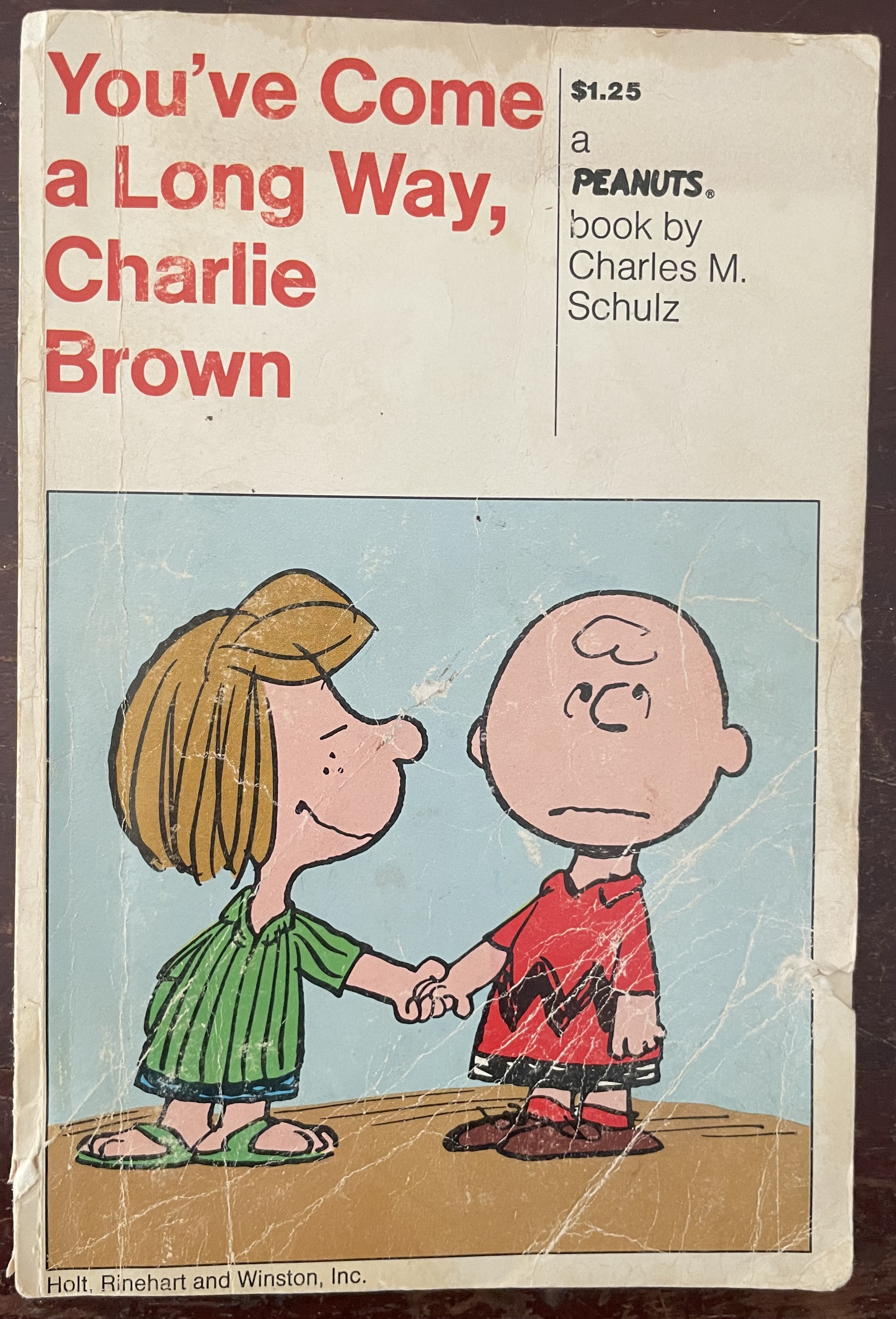
If I remember correctly, It was the book where I stopped reading Stephen King books on a regular basis. It had been a nice run of books, but something in either It or Needful Things struck me as Stephen King-ish (man, whatever schtick he did, he did in every book he writes, I thought at the time), so I moved on. I’ll occasionally try a Stephen King book, but I don’t think I’ve finished any in the last 40 years. I’ll still read read the occasional Charlie Brown book, though. Those never get old, no matter how old they are or how many times I’ve read them.
But enough about me and my opinions and questions! What do you think about It? What do you think about Charlie Brown and Snoopy? Do you still read Stephen King novels? Do you still read Peanuts books or comic strips? What authors or fictional characters do you relate to? Would you read Snoopy’s It novel if you could find it? If you love both prose AND pictures, leave a comment below.
*****
For more about It and/or Stephen King, see…
It by Stephen King and The Novel by James Michener: A Conversation
Literary Glance: It by Stephen King
And for more about Charles Schulz and comic strips, see…
The Comic Book/Comic Strip Home Page
G.O.A.T. vs. Goat: The Battle of Generational Slang
Happy Birthday to Everybody Every Day… starring Charles Schulz and Peanuts
*****
I’m not a prolific author or cartoonist; I’m just a schmuck with a book blog, but here’s my ONE and only novel.
It’s the oldest story in the world, 1990s style!
Man meets woman; man falls in “luuuvvv” with woman; man gets blindsided by reality!
The Sunset Rises: A 1990s Romantic Comedy is now available on Amazon
SHORT VERSION!!!
Even though a lot of famous award winning novels use (or overuse) literary gimmicks, I rarely see readers discuss them. Sometimes these literary gimmicks can add new dimensions to an already decent novel, but other times I think they’re unnecessary or distracting(or both). Below is a group of blog posts where I’ve already discussed one specific novel that uses one or more literary gimmick.
Attack of the Literary Gimmicks
Literary Gimmicks in Famous Books: No Country For Old Men by Cormac McCarthy
Famous Literary Gimmicks: A Clockwork Orange by Anthony Burgess
Fun with Literary Gimmicks: Interior Chinatown by Charles Yu
Literary Gimmicks in Famous Novels: Slaughterhouse-Five by Kurt Vonnegut
The Sunset Rises: A 1990s Romantic Comedy
REALLY REALLY MAYBE OVERLY LONG VERSION (but you get your money’s worth)!!!!
When describing what makes a great novel last week, I included the literary gimmick as one of the key devices, but I didn’t really define what a literary gimmick was. I assumed that most readers would know what I was talking about.
I know that assuming things can be seen as risky because of ‘THAT’ expression(when you ‘assume,’ you make an ass out of ‘u’ and ‘me’), but I’ve always thought that ‘THAT’ expression was kind of stupid because there are some things that everybody should know (Maybe I don’t know what those things are anymore), and if you don’t assume, then you end up overthinking or over-explaining, and I’d rather make an ass of myself by assuming than make an ass of myself by getting stressed out or over-explaining.
It’s one of those things where you allegedly lose either way, so screw the false binary. I don’t feel like defining the literary gimmick, but here are a few blog posts where I’ve given clear examples of them. Examples are almost always better than definitions anyway. At least, that’s what seemed to work in the classroom when I was teaching for over 30 years. Students would stare at me open-mouthed while I explained a topic, and then they would suddenly ‘get it’ when I provided an example or two. The challenge would then be for the students to come up with their own examples (because they always wanted to use mine).
HELPFUL HINT!!!! Below are several old posts where I have already written about literary gimmicks. I’ve also provided the links to the original posts, but since you might not have the time or the interest to check them out, I’ve reprinted the important stuff from each post below.
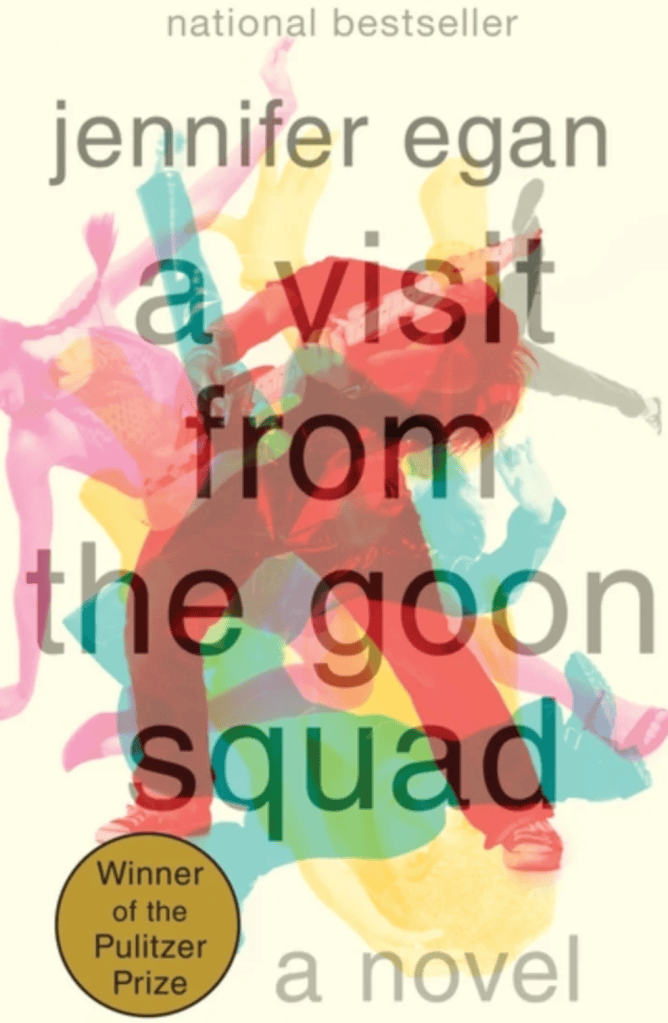
(The original) Attack of the Literary Gimmicks
Gimmicks are pretty common in some critically acclaimed fiction. Ulysses had stream-of-consciousness multiplied by infinity. The Shipping News had choppy sentences and fragments. Slaughterhouse-Five had “So it goes.” Holden Caulfield whines like hell in The Catcher in the Rye (or says …”like hell” a lot). When I think of these novels (I’m sure there are others, but I’m typing furiously and am probably missing something obvious), that’s what I think about, the gimmicks. The novels might have been great even without the gimmicks, and the gimmicks aren’t necessarily bad, but the gimmicks are what I think about.
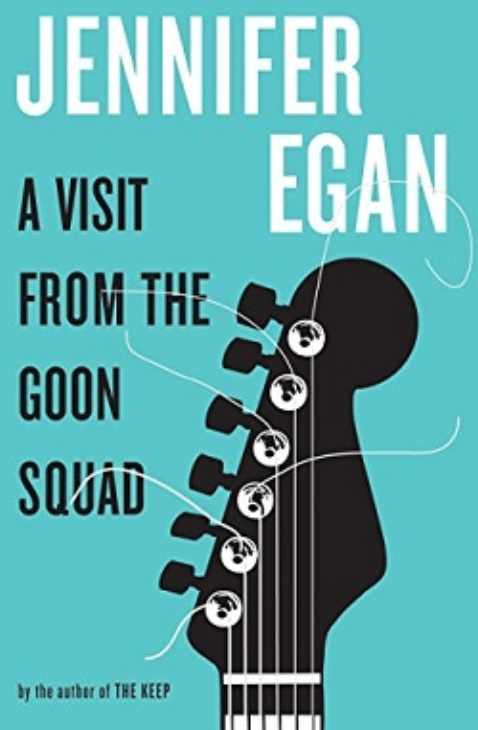
A Visit from the Goon Squad doesn’t use just one or two gimmicks. It uses a bunch:
1. Telling the story out of order.
2. Switching points of view (3rd to 1st to 3rd…)
3. Switching tenses (past to present to past…)
4. power point/ flow charts (don’t use an e-reader for this book)
5. lots of stream-of-consciousness
6. And the worst gimmick ever… 2nd person present tense!
*****
Ugh. 2nd person present tense! When I was in college, I got yelled at by a writing instructor for using 2nd person present tense in a story (hey, it was a “quick write,” and he told us to experiment!!!). The rest of the students nodded their heads as he lectured me about how gimmicks like 2nd person AND present tense took away from any merit my story had.
When Bright Lights, Big City by Jay McInerney came out a few months later with a lot of critical acclaim, I wanted to storm into the writing class with it and read dramatically to show them I had been (unintentionally) a trend setter (“trend” might be a bit strong), but it was a new semester, and all the students had different classes and we would never see each other again.
It was probably for the best. I didn’t like Bright Lights, Big City. All it did was prove that my writing instructor had been correct.
(End of excerpt)
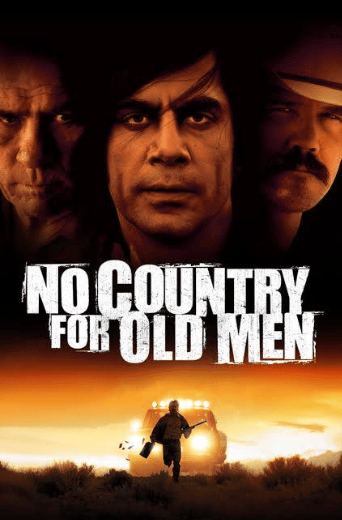
Literary Gimmicks in Famous Books: No Country For Old Men by Cormac McCarthy
If I hadn’t seen the movie first, I wouldn’t have finished reading No Country for Old Men by Cormac McCarthy.
My problem with No Country for Old Men is that the author doesn’t use quotation marks in dialogue. I would have noticed that within the first few pages and thought, “Ugh, stupid literary gimmick” and would have tossed the book aside.
I’m not a fan of literary gimmicks. They usually don’t add anything to writing and are often an author’s way of showing off.
Fortunately, I saw the movie No Country for Old Men first. I liked it but thought it had some holes in the plot. I later heard that the novel explains most of the stuff that the movie doesn’t. Plus, the book is short.
*****
And then there’s my short book review of No Country for Old Men.
The book was good. A lot of the dialogue in the book was taken word-for-word for the movie. I don’t blame the script writers for using the same dialogue. It was good dialogue.
But the author didn’t use quotation marks. That’s just annoying.
(End of excerpt)
*****
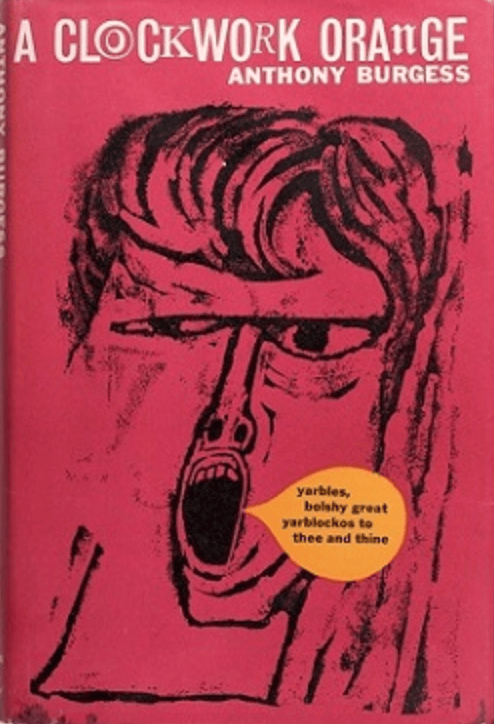
Famous Literary Gimmicks: A Clockwork Orange by Anthony Burgess
A Clockwork Orange has a reputation of being a disturbing movie, but the novel by Anthony Burgess is controversial for a different reason: the United States version of the novel is missing the final chapter.
I haven’t read A Clockwork Orange, not because it’s disturbing, not because it’s missing a 21st chapter, but because the novel relies on a fake slang language (called Nadsat) throughout. Too much fake slang language can be distracting to me.
Creating a fictional language is a cool gimmick for a novel or short story, but I’m not a fan of learning a new language just to read a book. If I’m going to put the time and effort into learning a language, I want to apply it after I’ve learned it. Yeah, I’m interested in the 21st chapter of A Clockwork Orange, but I don’t want to slog through 20 chapters of a slang language just to get to it.
(End of excerpt)
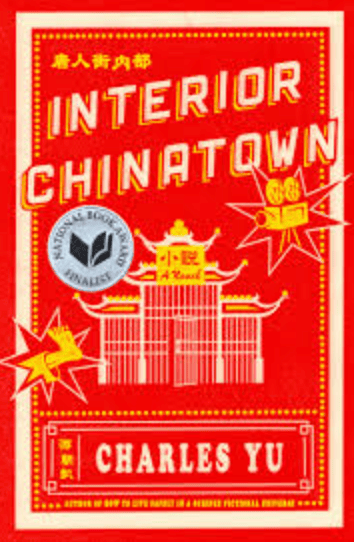
Fun with Literary Gimmicks: Interior Chinatown by Charles Yu
Interior Chinatown by Charles Yu has just won the 2020 Nation Book Award for Fiction. I appreciate literary awards because without them I would miss out on a bunch of award-winning books that I’ve never heard of.
Even though I read (or skim through) a lot of books, the beginning of Interior Chinatown threw me off because it’s written in 2nd person.
*****
Int Golden Palace
Ever since you were a boy, you’ve dreamt of being kung Fu Guy./ You are not kung Fu Guy/You are currently Oriental Guy Making a Weird Face, but you’ve been practicing./Maybe tomorrow will be the day.
*****
The risk of opening in 2nd person is that the reader can deny the opening statement and stop reading:
Author: Ever since you were a boy, you’ve dreamt of being Kung Fu Guy.
Reader: No, I haven’t. (Gets annoyed, slams book shut, returns book to shelf)
Sigh! As a reader, I probably should go further to see what this narrator guy is talking about. A few pages later, the author/narrator explains how difficult it is for him to get a decent role in movies/television.
(End of excerpt)
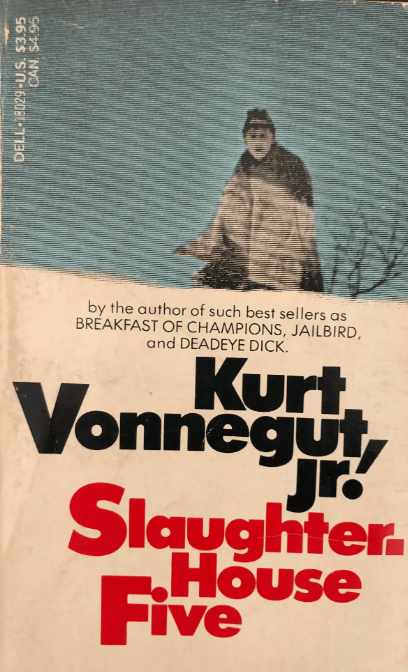
Literary Gimmicks in Famous Novels: Slaughterhouse-Five by Kurt Vonnegut
I’m not going to summarize Slaughterhouse-Five because you can get that anywhere. I just want to look at a few devices that Vonnegut used and then question how much these gimmicks affected the quality of the book. Since I’m using a couple literary gimmicks in my own novel, I’m analyzing the literary devices some famous authors have used in their most successful books.
Slaughterhouse-Five begins and ends with chapters written from the author’s/narrator’s point-of-view. The author/narrator explains that he’s tried to write a book about his experiences as a POW in Dresden during World War II. The author rambles a little and claims that his book would be a failure.
I’m not sure if having an author/narrator claim that the book would be a failure is a literary device/gimmick or not. It’s similar to dramatic irony; when Vonnegut wrote his book, he didn’t know his novel would be so successful. Or did he?
The bulk of Slaughterhouse-Five, the Billy Pilgrim story, is told out of order because of the Tralfamadorians, aliens with an ability to see dimensions that humans are incapable of seeing/experiencing. I admit, I prefer linear stories. I believe there’s the possibility that time isn’t linear and that I’m simply not capable of seeing it, but I don’t feel threatened by my inability to see it. I might be better off not being able to see it.
(End of excerpt)
THE HARSH UNSPOKEN TRUTH!!!!!!
Not every book has a literary gimmick, but every literary gimmick has a book, so the gimmicks are worth examining. Maybe I’m wrong, but I don’t see many book readers or critics analyzing these literary gimmicks when they show up. Would Slaughterhouse-Five be held in the same high regard without all the gimmicks that Vonnegut uses? It would at least be a completely different novel.
Is the lack of quotation marks really necessary in No Country for Old Men? Personally, I found it distracting. (I wanted to fill all of the punctuation in throughout the book), but I think readers tend to accept the gimmicks because the author chose to use them, and if a book is good, the reader is going to accept almost anything the author does, which I think is fair. Authors should write their books the way that authors want to write their books, as long as the book is good.
These aren’t the only novels that have ever used literary gimmicks to add new dimensions or a little flair, but these examples should give you a good idea of what I mean without me having to define what a literary gimmick is. I mean, I could do it if I needed to or if I wanted to but I don’t. Besides, now if you ever want to use a literary gimmick in your own writing you have plenty of ideas to choose from now on. But at least try to be original. And no second person. And please use quotation marks. And please don’t make up your own new language. And also don’t…
*****
Enough about me and my opinions! What do you think? What is your favorite literary gimmick? What is your least favorite? What gimmick have you NOT seen tried? What novels do you think would have been better off without the use of literary gimmicks? Do I lose literary credibility if I never define ‘literary gimmick’? Demonstrate your mastery of the subject material by leaving a comment with an example (that I haven’t used) below.
*****
What literary gimmicks did I use in my ONE and only novel? Read it and find out for yourself!
It’s the oldest story in the world, 1990s style!
Man meets woman; man falls in “luuuvvv” with woman; man gets blindsided by reality!
The Sunset Rises: A 1990s Romantic Comedy is now available on Amazon !
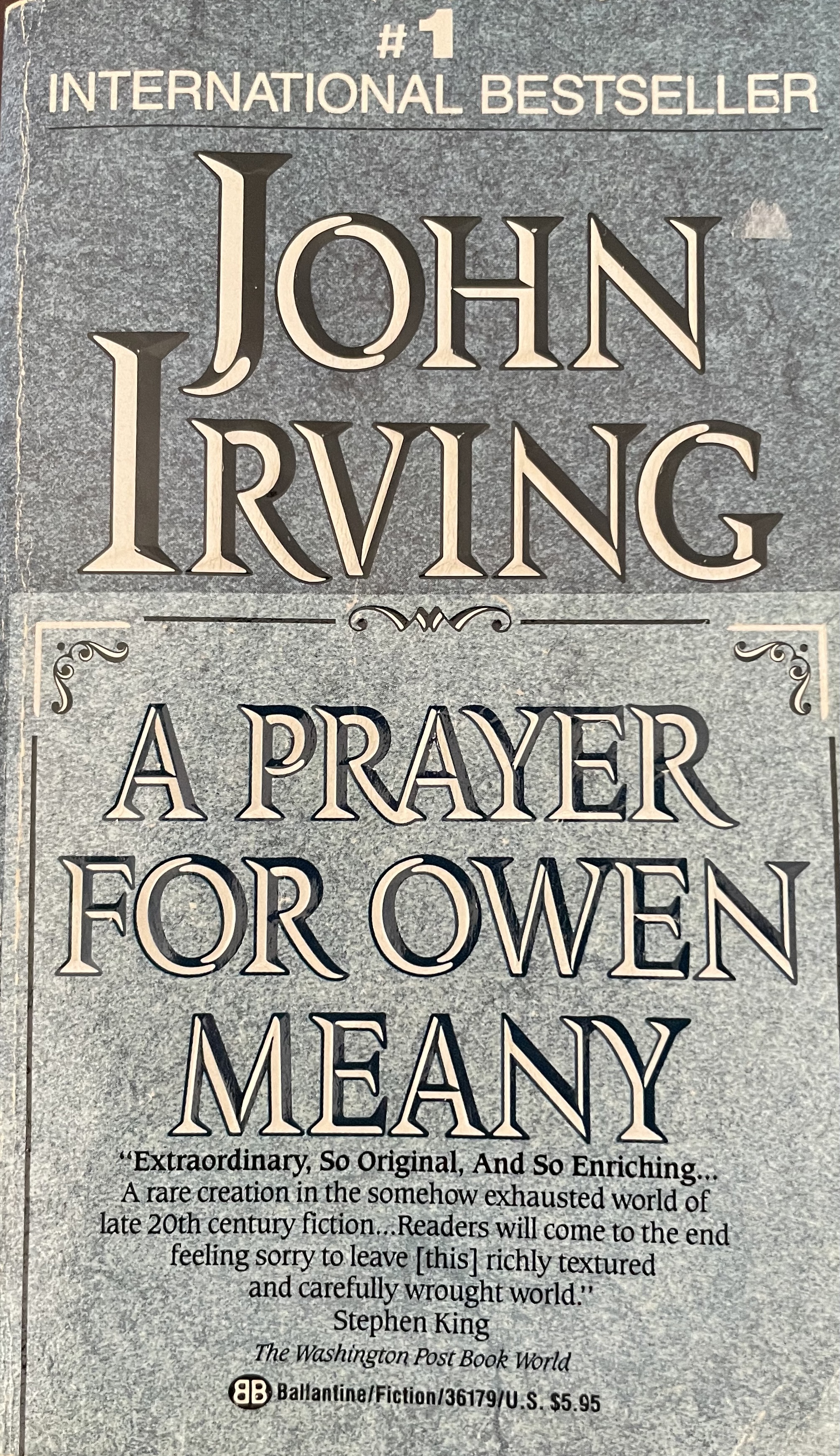
SHORT BOOK REVIEW (first)
I liked A Prayer for Owen Meany by John Irving. I finished reading it, and I would have read more if it had been a longer book. I might read another John Irving novel because of this book, but I’ll probably wait a while.
HOW TO WRITE A GREAT NOVEL
After reading the first few pages of A Prayer for Owen Meany by John Irving, I was pretty sure that I’d never have the patience to finish it. There were too many characters and too many details of each character for me to keep track of. Already. In the first few pages. And there were still 600 more pages to go.
“How did you keep up with all of that crap?” I asked my older brother, who had recommended A Prayer for Owen Meany to me.
“I didn’t,” he admitted. “I just rolled with it.”
So that’s what I did. I just read all the crazy details, enjoyed the crazy details, and hoped in the back of my mind that I’d remember the important stuff. It wasn’t an issue.
I think A Prayer for Owen Meany is a great book, but sometimes defining what a great novel is can be tough because people can see it as subjective. I’ll try to use some objective standards to explain why a book is great and then apply these standards to A Prayer for Owen Meany. I don’t think a book needs to have all of the following characteristics, but a great book should have most of them. I’m not even sure what ‘most’ would be. Maybe I’m woefully unprepared to be writing about this topic.
GREAT OPENING SENTENCE (not exactly an objective standard)
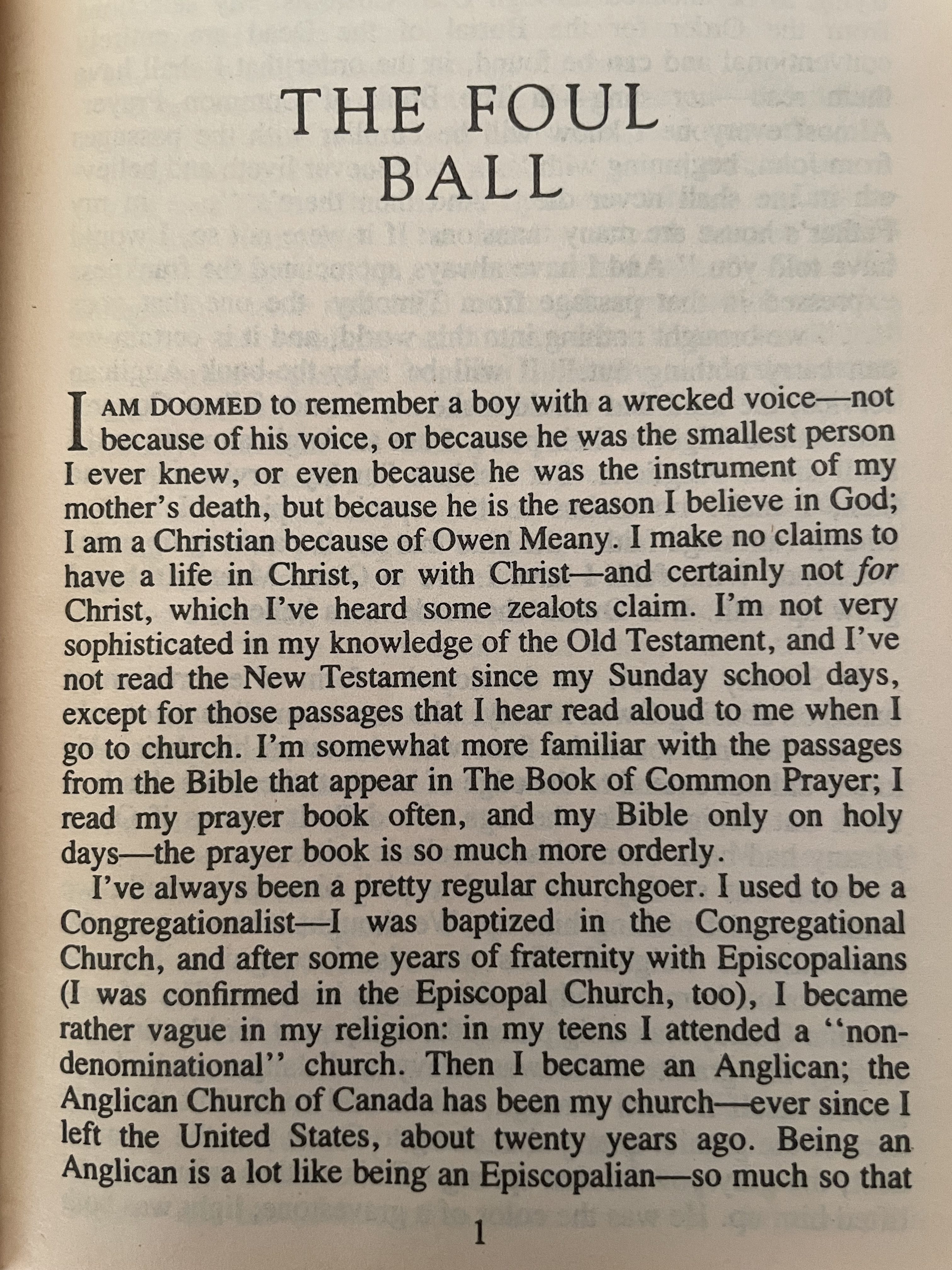
A Prayer for Owen Meany has a great opening sentence. Maybe the sentence is a little too long, and it does have a semicolon in it (I don’t mind semicolons, but some critics think they’re pretentious. I think the anti-semicolon critics are pretentious. If a semicolon exists, why shouldn’t writers use it?), but it was interesting enough to inspire me to read through the first few pages, which were filled with details that I (temporarily) wasn’t interested in.
LITERARY GIMMICK
Most great novels have some kind of literary gimmick that make the books stand out, but authors have to be careful when using such a devices. Too many authors try a gimmick that ends up distracting too many readers, or these devices can make it seem like the author is trying too hard to be clever or to show off.
The most noticeable literary gimmick in A Prayer for Owen Meany is the use of all-caps whenever the title character Owen Meany speaks. There’s a really good reason for the author to use the ALL-CAPS, though, so it works, and it’s not annoying. At least, I wasn’t annoyed or distracted by it. I can only speak for myself on this.
Maybe the all caps wasn’t meant to be a gimmick. The best literary gimmick is one where the author has plausible deniability. If author John Irving had said that the ALL-CAPS wasn’t a gimmick, I’d verbally take his word for it and mentally say, “Well played, sir.”
LITERARY REFERENCES
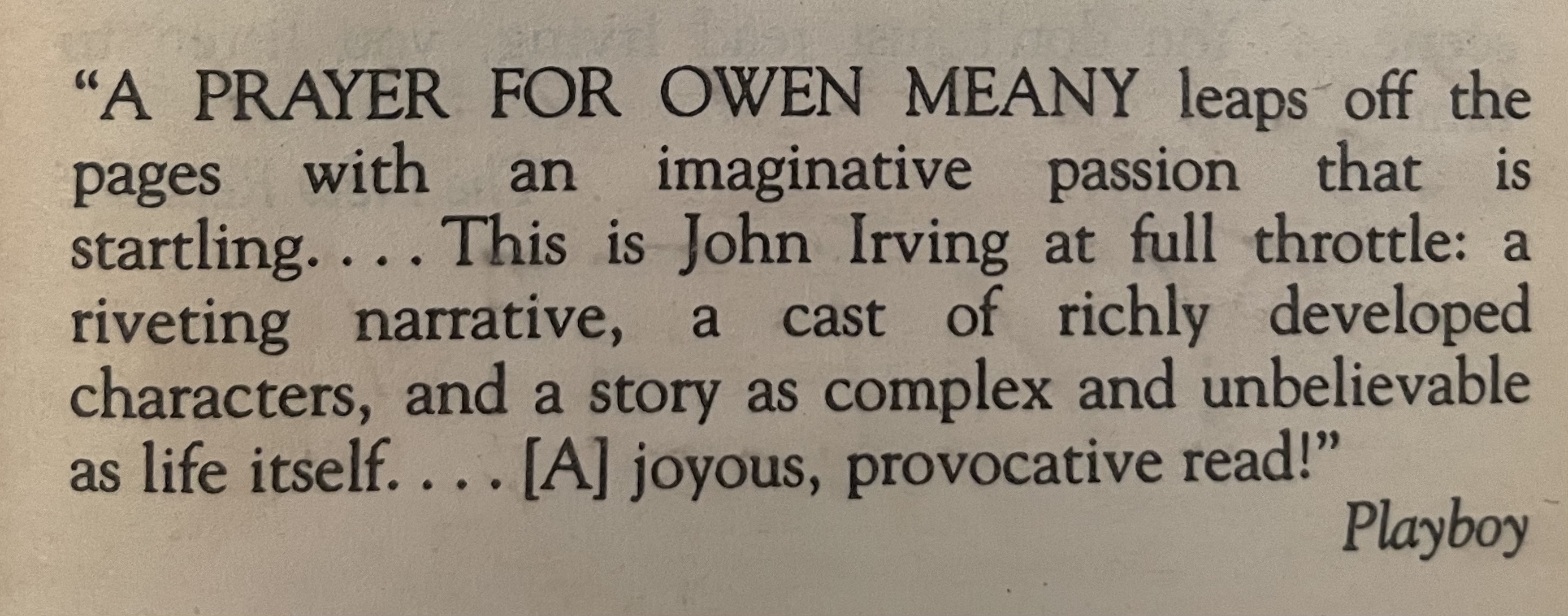
Great novels often make references to other great classics to connect themes or to provide literary insight to human nature. If you like literary references (and I do, especially to novels that I’ve never read or even heard of), then you’d probably like A Prayer for Owen Meany.
If anything, there might be too many literary references, so many that the narrator (or the author) could be accused of showing off. If the narrator is showing off (that’s the way I chose to interpret it), he had a decent reason for it, not that I condone showing off. I just don’t mind it as much when it’s done by a fictional character rather than when it’s done by the author.
RELIGIOUS REFERENCES
A Prayer for Owen Meany isn’t a religious book. It’s more about faith, and I’ll leave it at that. While delving into faith and its many levels, the topic of religion comes up, and of course there are a lot of references to scripture and The Holy Bible, and some of it might offend members of certain denominations, but I’m a member of one of those denominations, and this novel doesn’t offend me at all. Instead, I thought, ‘Yeah, that sounds about right.’
The conflicts regarding faith in A Prayer for Owen Meany are probably common (I hope they’re common) among many people who have faith, but I can’t speak for them, only for myself. Still, I enjoyed the spiritual conflicts and religious references in A Prayer for Owen Meany.
UNIVERSAL RELEVANCE
A great novel should be relevant, no matter when it was written and no matter when it is being read. A Prayer for Owen Meany was published in 1989 and takes place throughout the 1950s and 1960s with glimpses of the 1970s and 1980s as well. Even so, A Prayer for Owen Meany holds up (not all literary fiction does, but that’s for another blog post). The conflicts still are relevant. The events that the characters reference are relevant to stuff going on today, and the characters’ reactions to those events mirror how people react to similar events today.
INSIGHTS ABOUT HUMAN NATURE
I think this one is tied closely to relevance. Insights about human nature go a long way to making a novel relevant. Fashion and language and certain tastes can be temporary, but human nature itself is ‘eternal (‘eternal’ may be too strong a word; ‘universal’ might be better). An old great novel might read like it’s old, but if it provides great insight into human nature in ways that most other novels don’t, then the book will be more relevant than stuff being published today.
I don’t want to get into specific insights in A Prayer for Owen Meany because I try to avoid discussing specific details about books. I like reading novels without knowing too much about them ahead of time, and I don’t want to ruin that potential experience for. anybody else.
MEMORABLE CHARACTERS
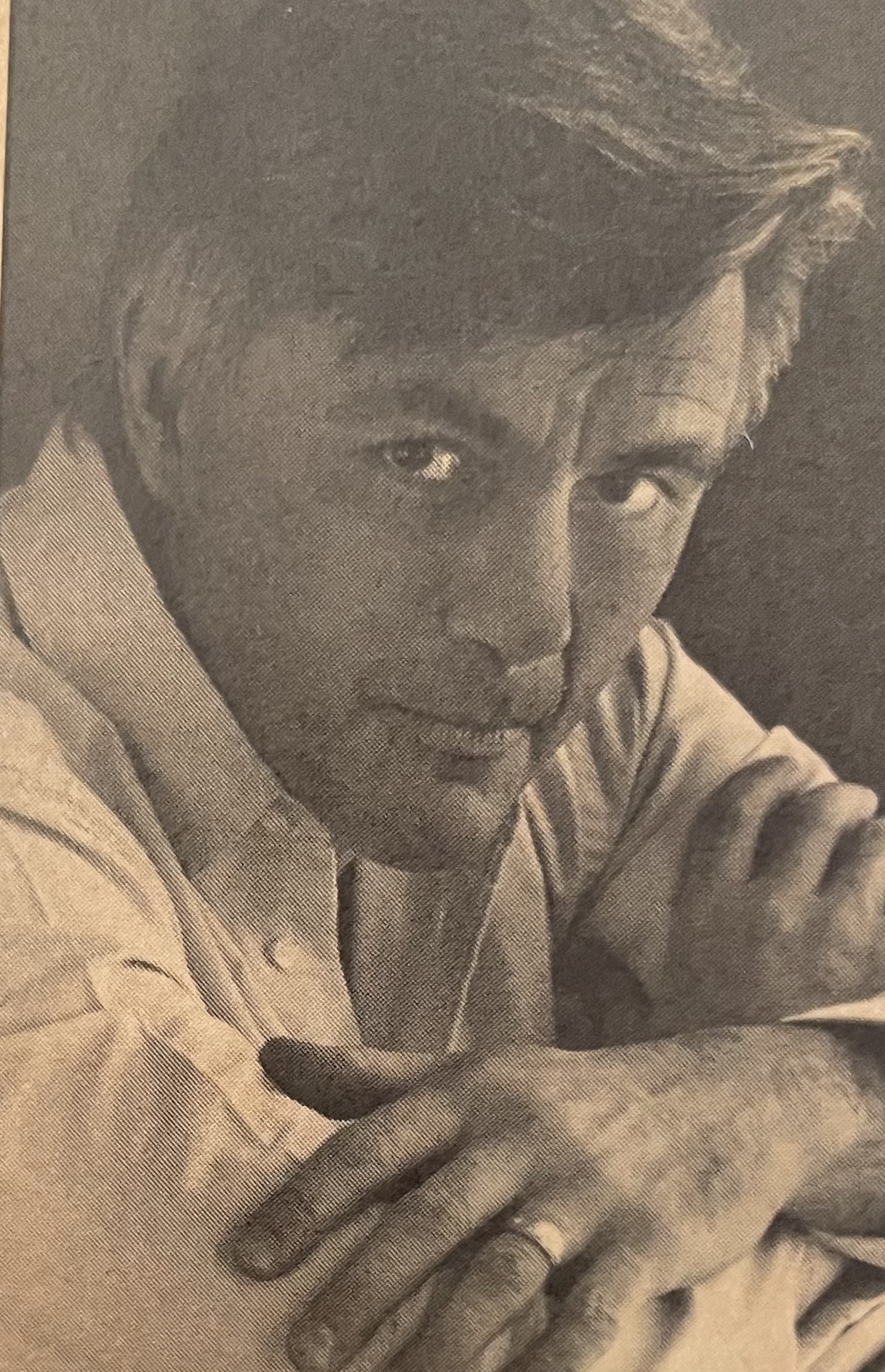
To start off, the title character Owen Meany is memorable, even without the ALL-CAPS. Yeah, the ALL-CAPS help, and, yeah, the ALL-CAPS is a literary gimmick, but, like I said earlier, it’s a good one, but either way, Owen Meany is memorable. A lot of the secondary characters are memorable too, but I won’t list them because you can get stuff like that in any other book review. The narrator can come across as a little dry at first, but that changes as the novel progresses, and even though I rolled my eyes at a few things that he did or said, his words and behavior made sense considering his circumstances and showed more personality and made him more dynamic, if a bit unpleasant sometimes.
That’s okay. I can relate.
WRITTEN BY A GREAT WRITER
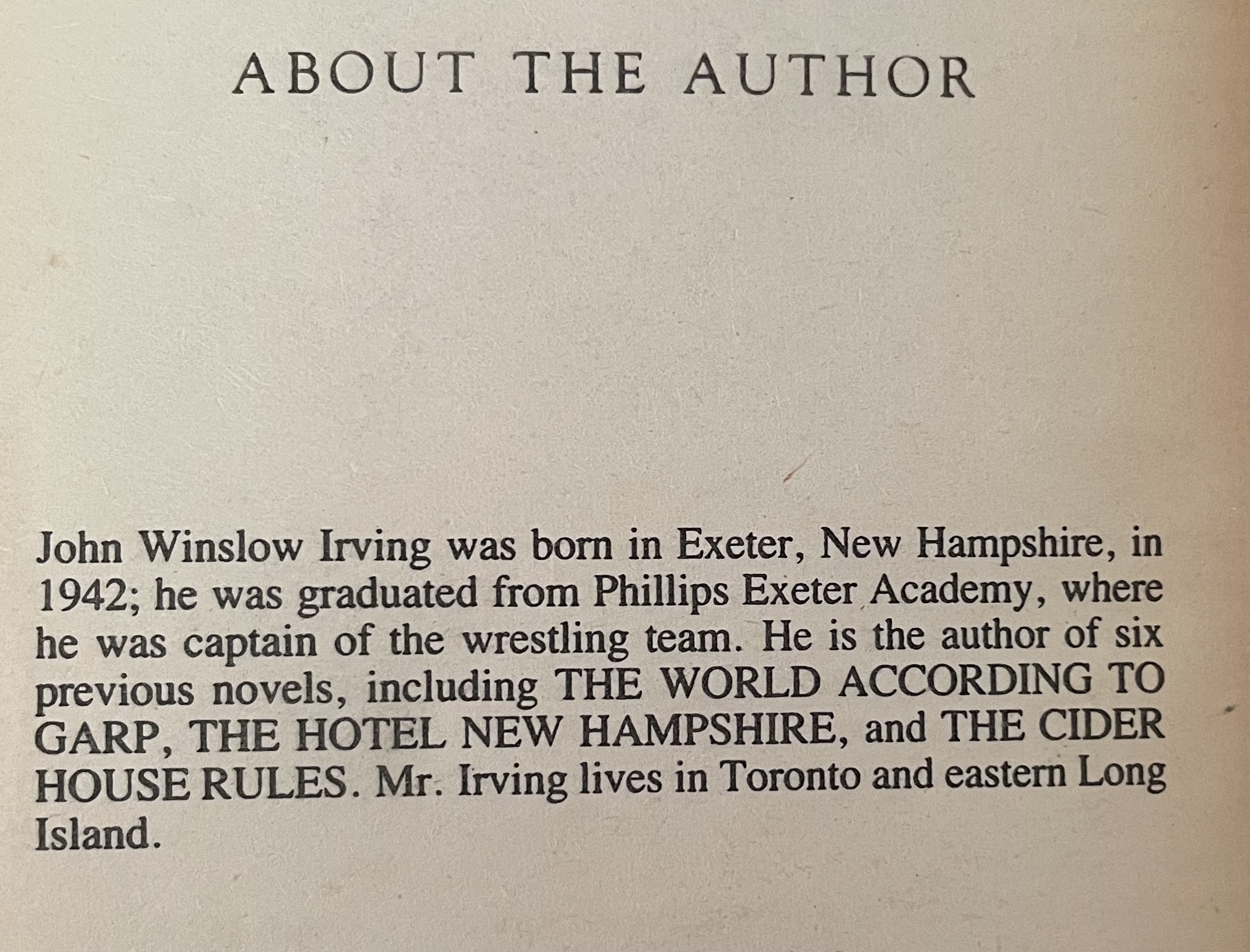
This one might be the most difficult. John Irving is a great writer. Even when I had the occasional difficulty following a sentence, I never doubted his skill or talents. A writer with less talent can include all the other characteristics listed above, and the novel could still be pretentious crap.
Even though I think that I have a pretty good understanding of what goes into a great novel, I admit that I can’t write something like A Prayer for Owen Meany. I think that I did a decent job with The Sunset Rises: A 1990s Romantic Comedy a few years ago. I did my best to include all the objective elements that go into a great novel, and I hope that none of the elements were too blatant for the reader to notice, especially the literary gimmick.
BUT I’M NOT COMPARING MYSELF TO JOHN IRVING. I CAN MENTION MY ONE NOVEL IN MY BLOG POST ABOUT ONE OF JOHN IRVING’S NOVELS BECAUSE IT’S MY BLOG, SO DON’T ACCUSE ME OF COMPARING MYSELF TO JOHN IRVING.
Ahem, pardon me. I was just channelling my inner Owen Meany. Like I said, it’s a great literary gimmick.
*****
It’s the oldest story in the world, 1990s style!
Man meets woman; man falls in “luuuvvv” with woman; man gets blindsided by reality!
The Sunset Rises: A 1990s Romantic Comedy is now available on Amazon
*****
But enough about me and my opinions! What do you think? Have you read A Prayer for Owen Meany? If not, what novels have pleasantly surprised you. What other characteristics do you think most great novels have? Share your literary wisdom by leaving a comment below!
*****
For more, see…
How To Write an Award-Winning Novel starring… Lonesome Dove by Larry McMurtry
How to Write an Award-Winning Novel starring… The Pulitzer Prize for Fiction
Literary Gimmicks in Famous Novels: Slaughterhouse-Five by Kurt Vonnegut
*****
Sometimes reading about comic books and comic strips is just as much fun as reading comic books and comic strips themselves. Whether it’s about the progression of the storytelling, or the disputes between Stan Lee and the artists that he worked with, or the lawsuits involving Superman and other costumed heroes like Captain Marvel, or Dr. Wertham and the Comics Code Authority controversy, or even just appreciating the evolution of artistic styles over the generations, there’s a lot of interesting stuff about the history of comic books and comic strips.
Yeah, you can find videos about these topics online, but watching or listening to videos about comic books and comic strips (or even books in general) is kind of lame when you have books that can do the job more effectively. Books and comics should be read about, preferably with an actual book. I’m old fashioned, I guess. I like pages, especially pages with words and/or pictures on them, and the best books with words and pictures on them are books about comic books and comic and comic strips.
The good news about the following books is that they’re relatively easy to find online now, and they don’t cost very much, not even by my cheapskate standards. The best books about comic books and comic strips have the right combination of both exposition and comic art. If there’s no exposition, then there’s no context or connection between the variety of creators that should be discussed in any given book. Too much exposition, the you’re defeating the purpose of a book about comic books and/or comic strips. I think all the books below have the right combination.
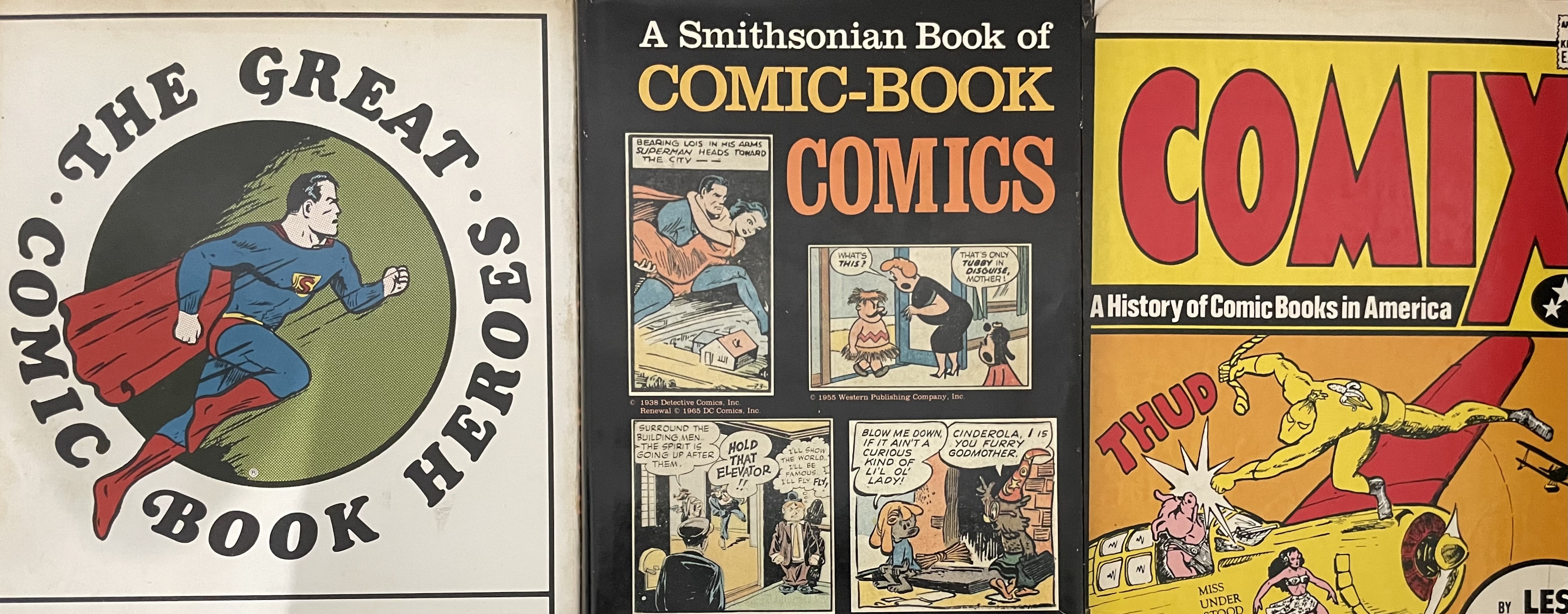
The Great Comic Book Heroes with forward and exposition written by Jules Feiffer
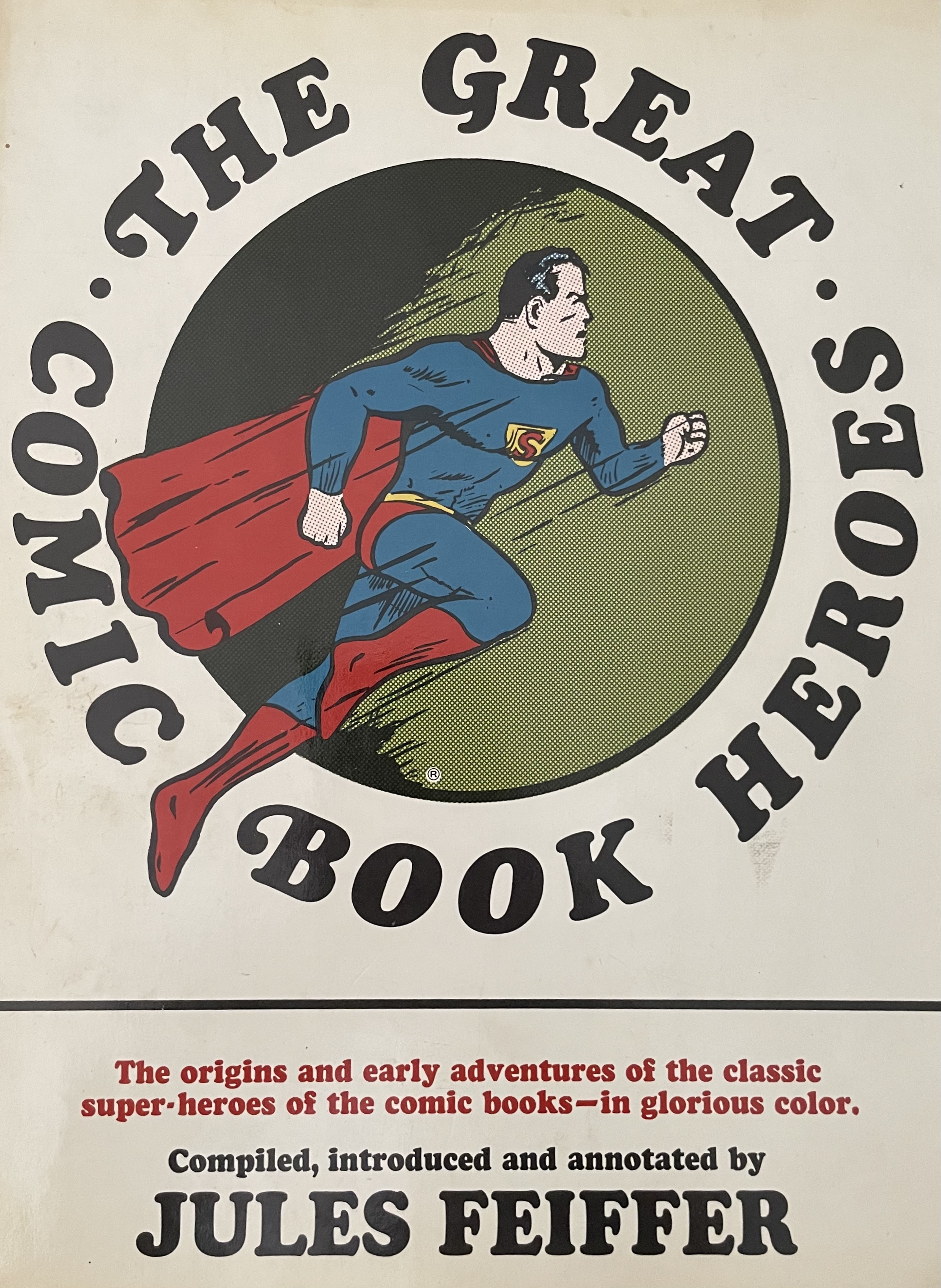
I have nostalgic feelings for this book. Back in the 1970s, my family would drive 400 miles once a year to see my aunt, uncle, and cousins, and this book was always on the living room table. While the adults talked and talked, I would read and reread the numerous superhero origin stories from the 1940s in this book while ignoring the 50 pages of exposition at the beginning (and the conversations around me). Now that I have my own copy, I enjoy the exposition and ignore the chicken scratch drawings that passed for comic book art in the 1940s.
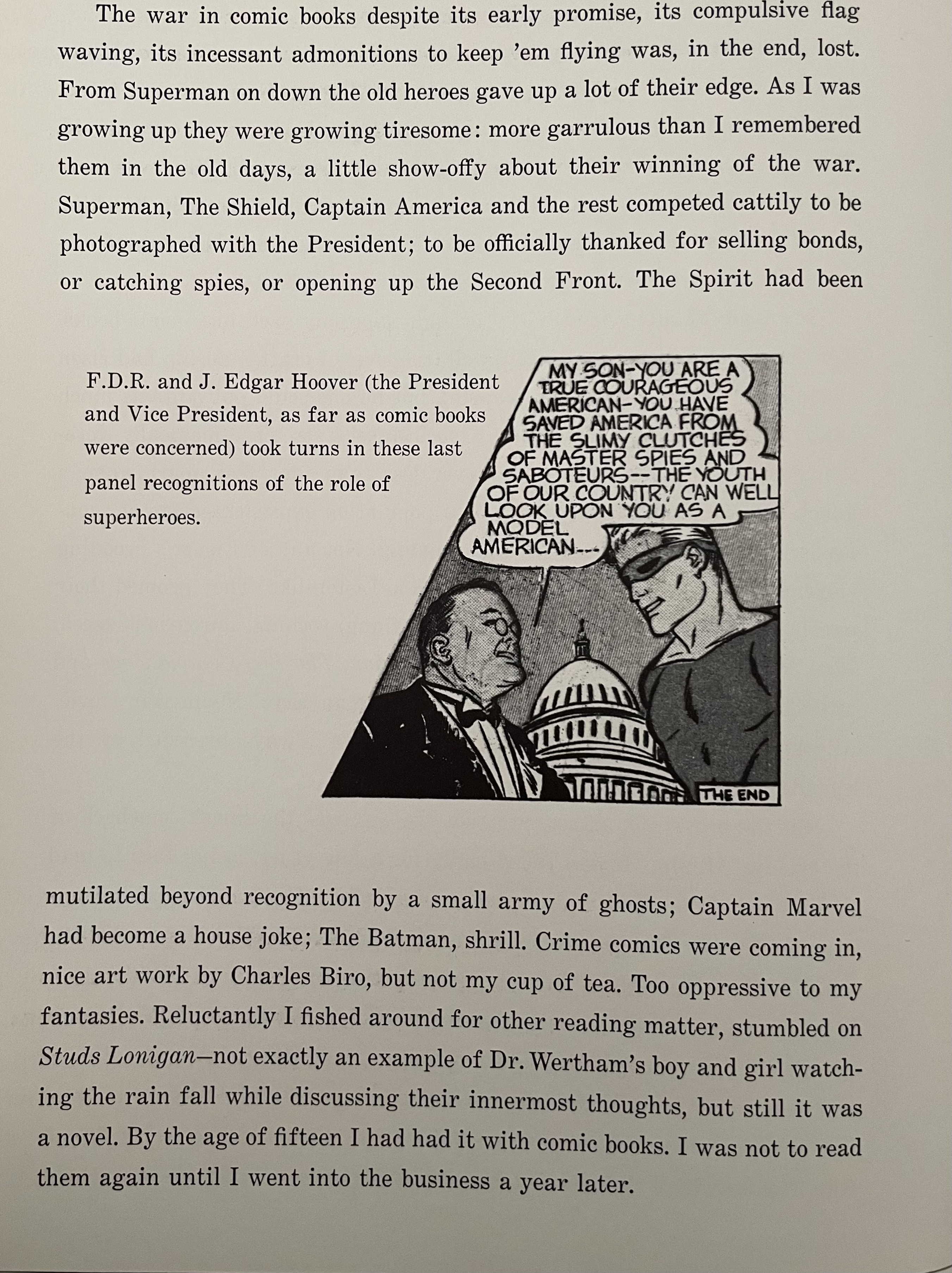
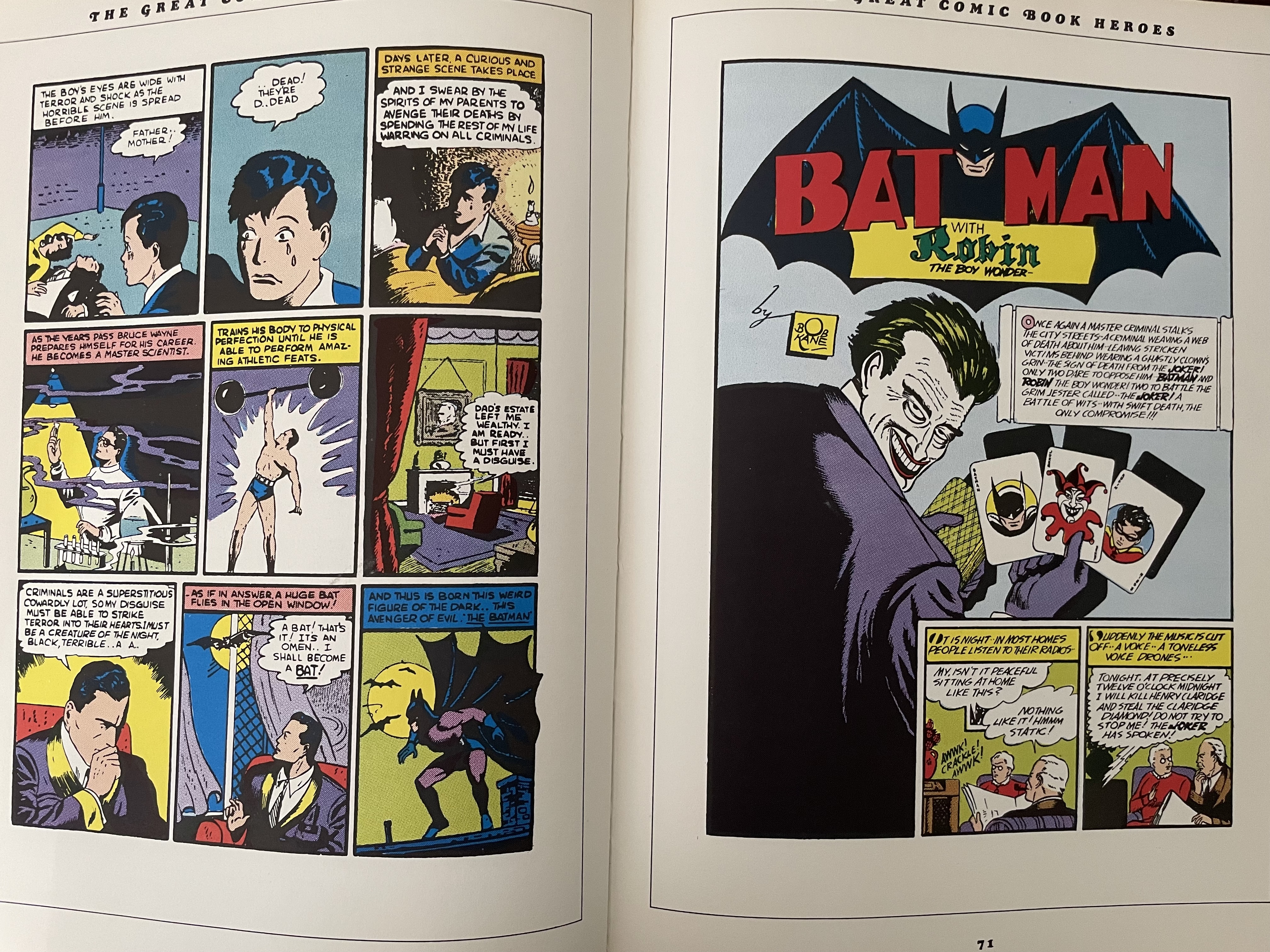
Don’t get me wrong; I get a kick out of seeing those chicken scratch illustrations. But I also understand why they were considered to be crap, especially by some of the artists who drew them.
A Smithsonian Book of Comic-Book Comics
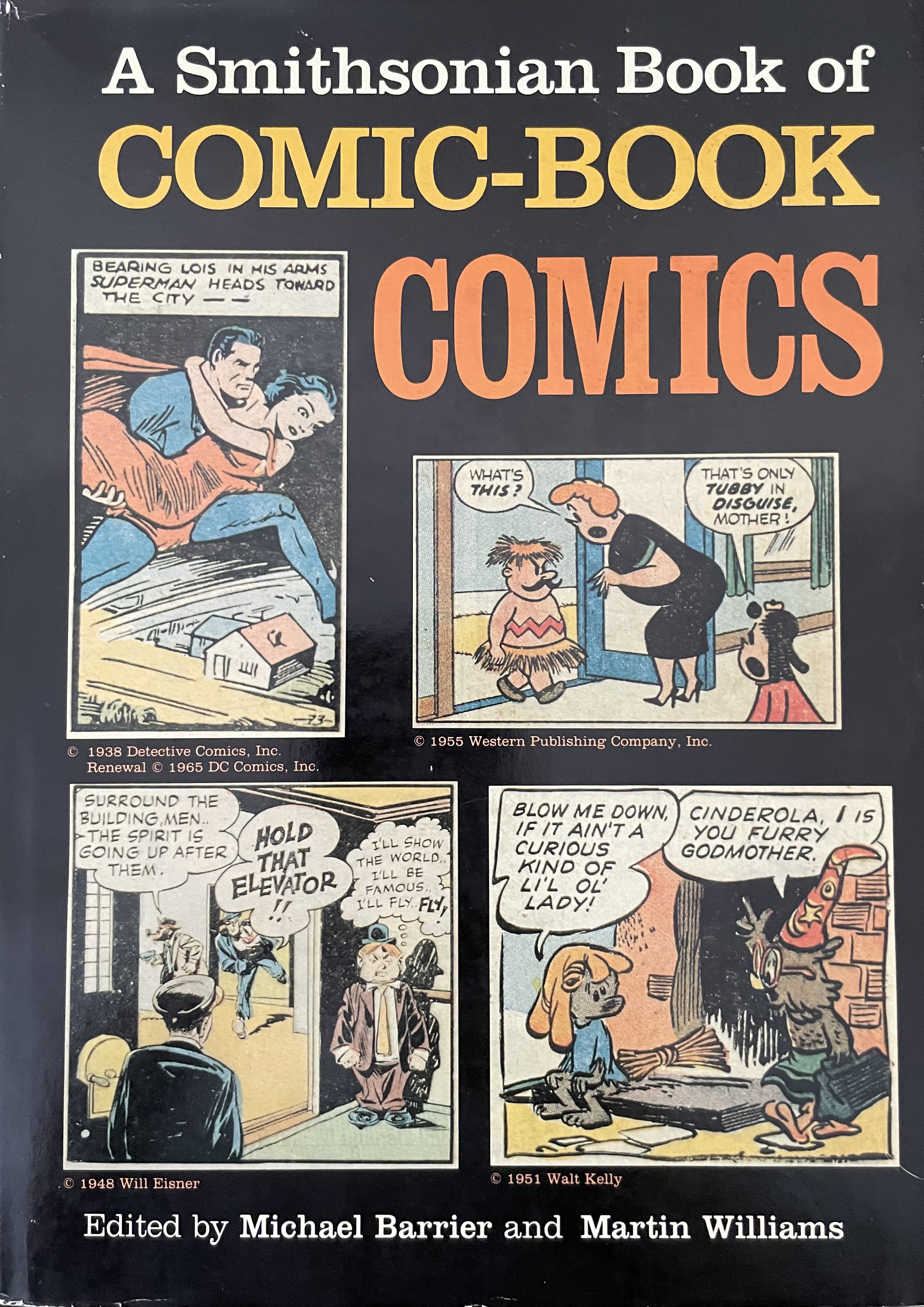
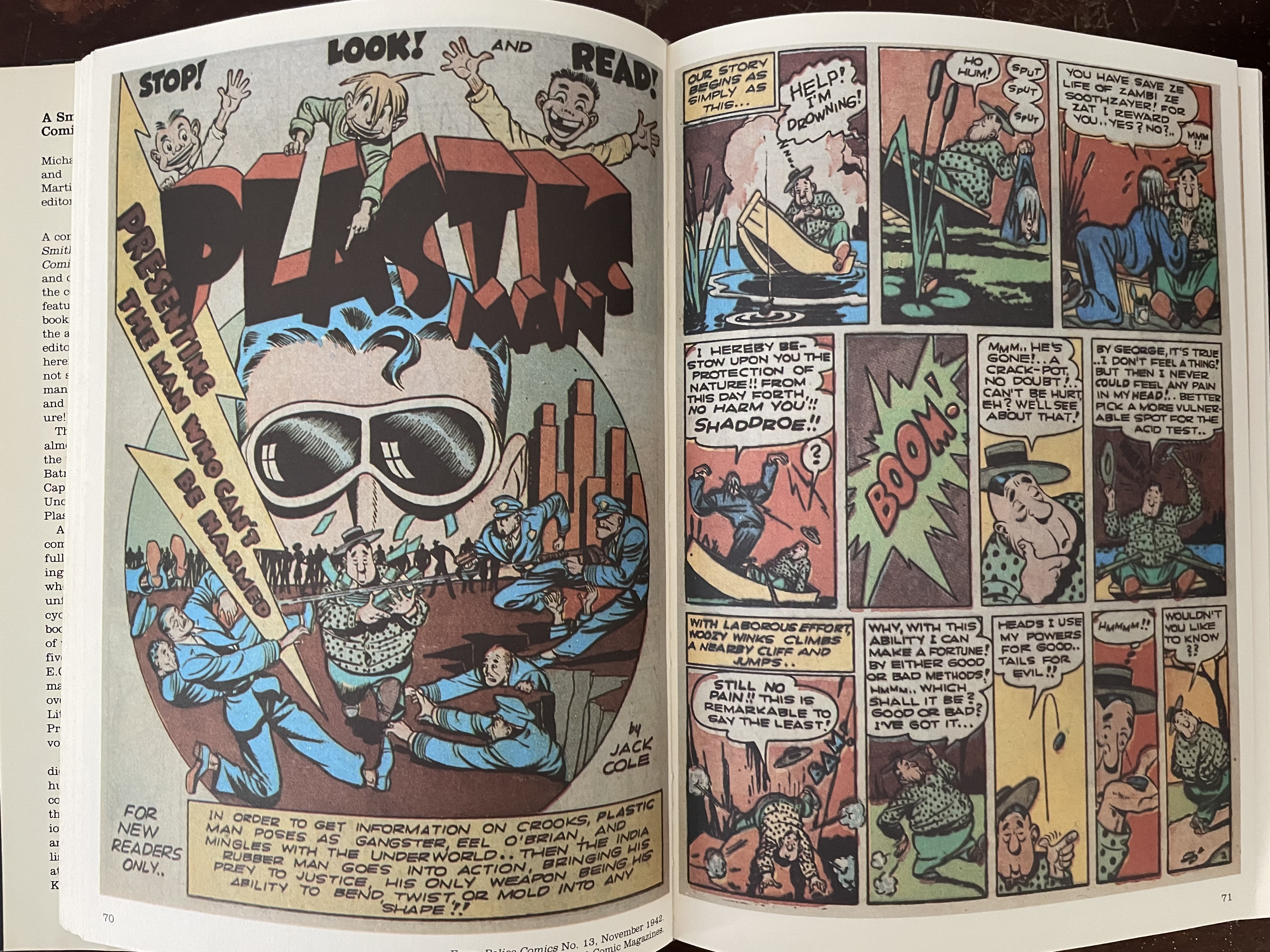
My older brother gave this to me when I was in high school, and I would have kept it even if it hadn’t been a gift. I would have liked more of a variety of comic book samples, but the Smithsonian chose to highlight a few and then really highlight them. To the Smithsonian’s credit, they /it chose good examples of each comic. For example, Plastic Man by Jack Cole in the late 1940s was one of the grooviest superheroes ever. But it has to be by Jack Cole. To me, no other artist gets Plastic Man quite right.
Not only does this book have a couple Pogo episodes by Walt Kelly that don’t give me the usual Pogo headache, it also has a fantastic Uncle Scrooge episode drawn by the legendary Carl Barks. Without this book, I might not have become aware of a lot of the funny animal genre that was huge before Marvel Comics revived superheroes in the 1960s, but I’m pretty much a fan of something from every genre and/or era I just haven’t gotten to each one yet. I have to pace myself.
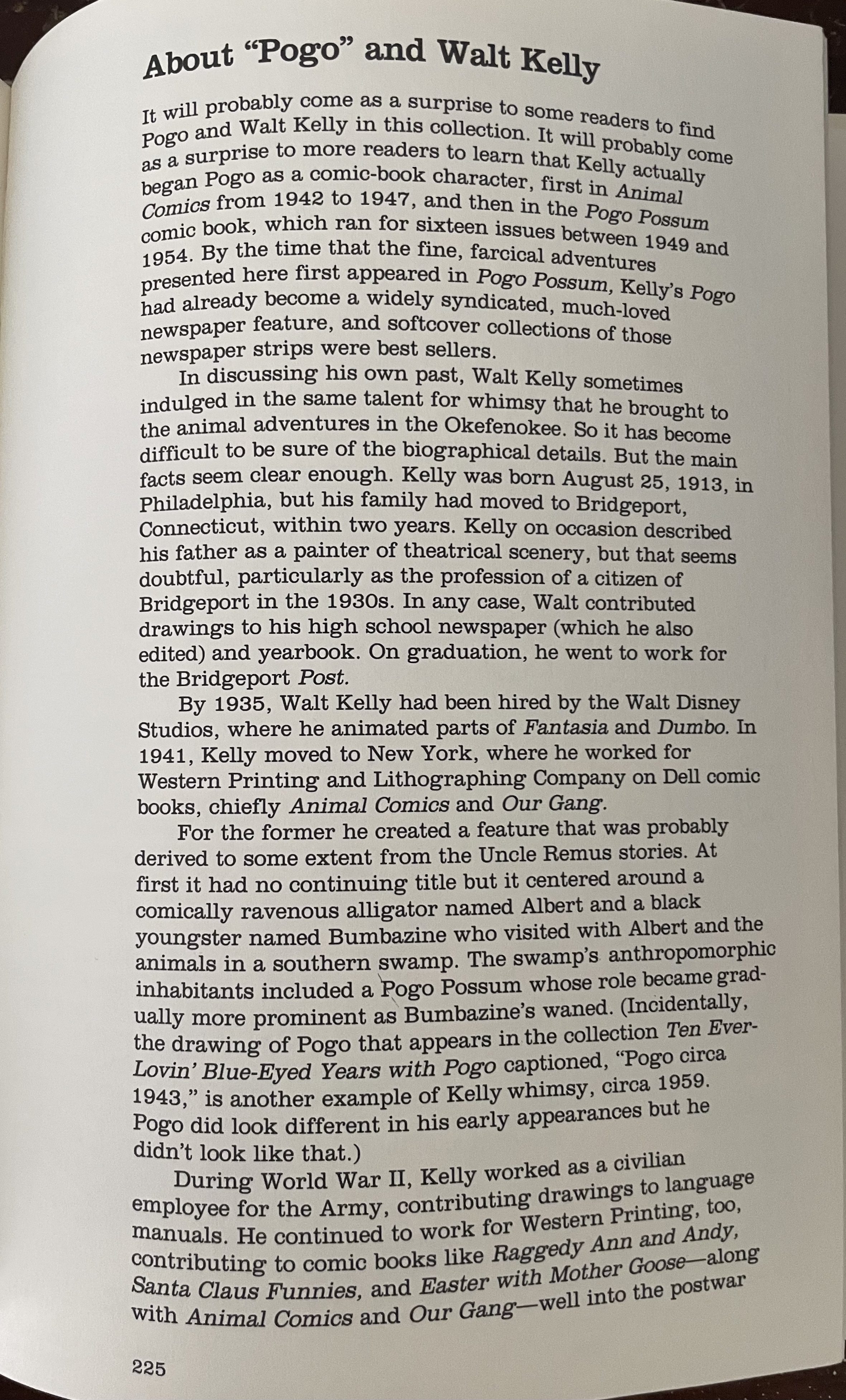
I even like the Pogo comics. Pogo usually gives me a headache but not these. It was almost a miracle. Thank you, Smithsonian!
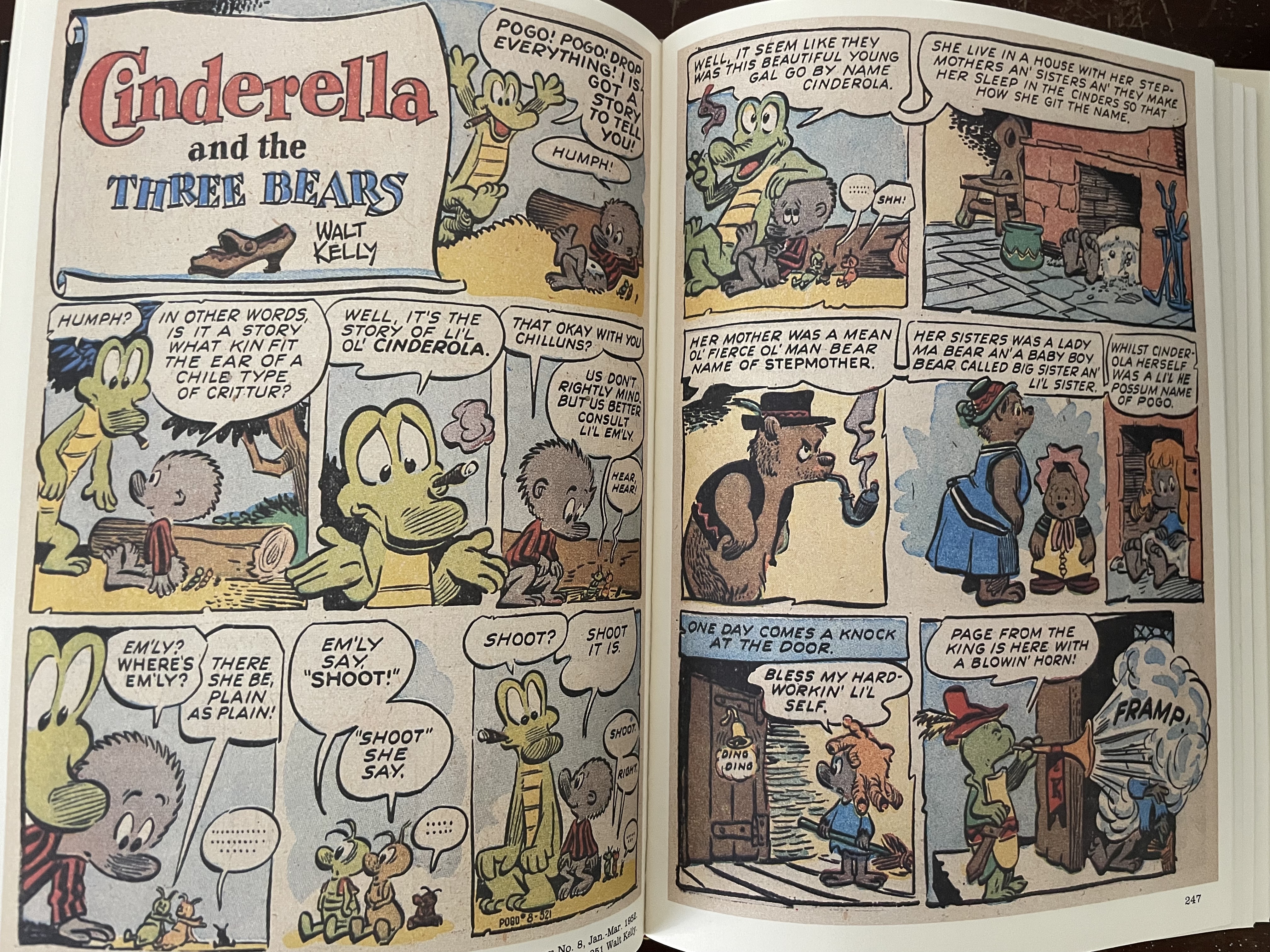
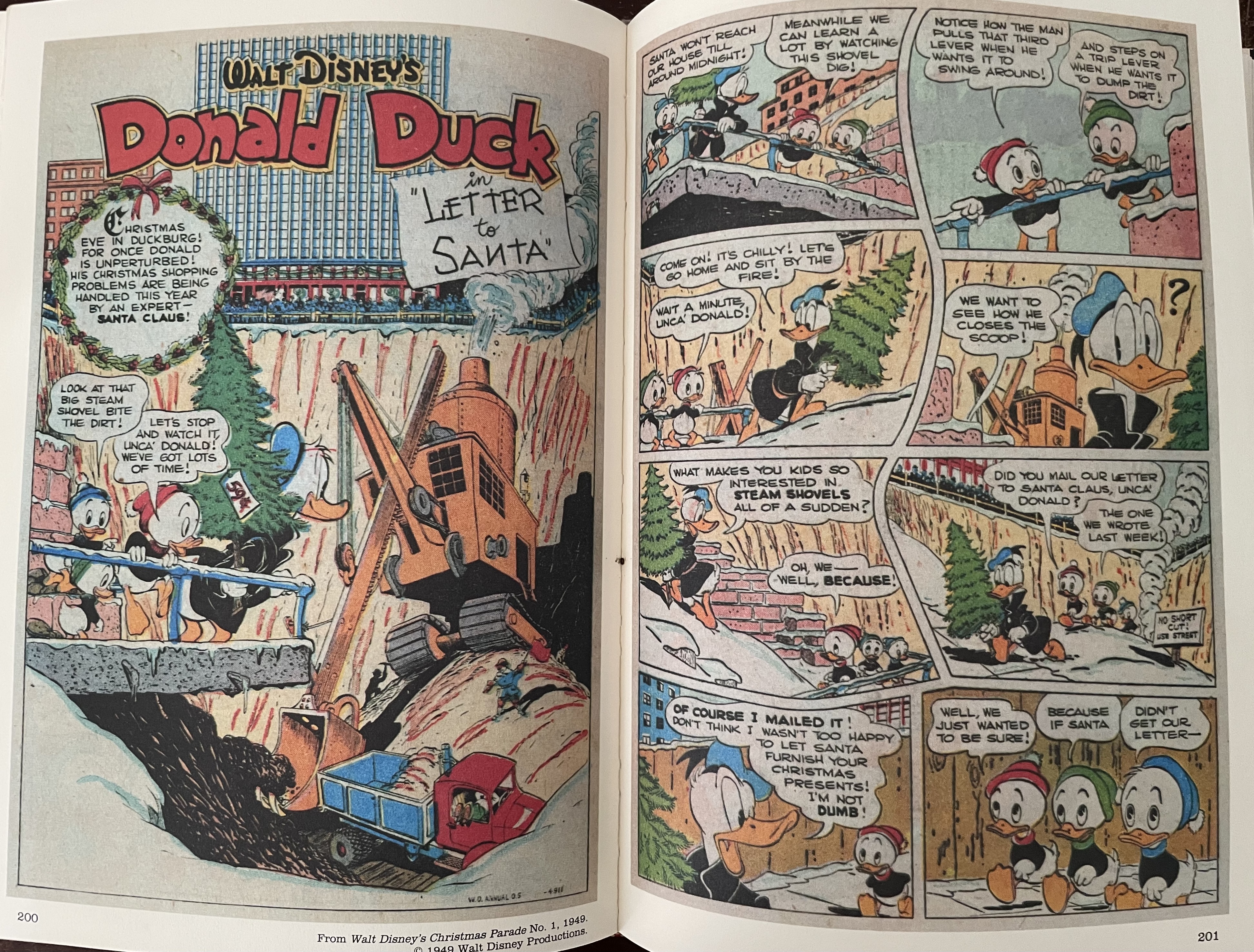
As I mentioned earlier, if you look online, you can probably buy any of these books for around $20, even when you include shipping. Part of me is saddened that stuff like this is so undervalued right now, but the other part of me is glad because I can still afford to buy stuff like this without having to deal with the overly aggressive book flippers out there.
Comix: A History of Comics in America
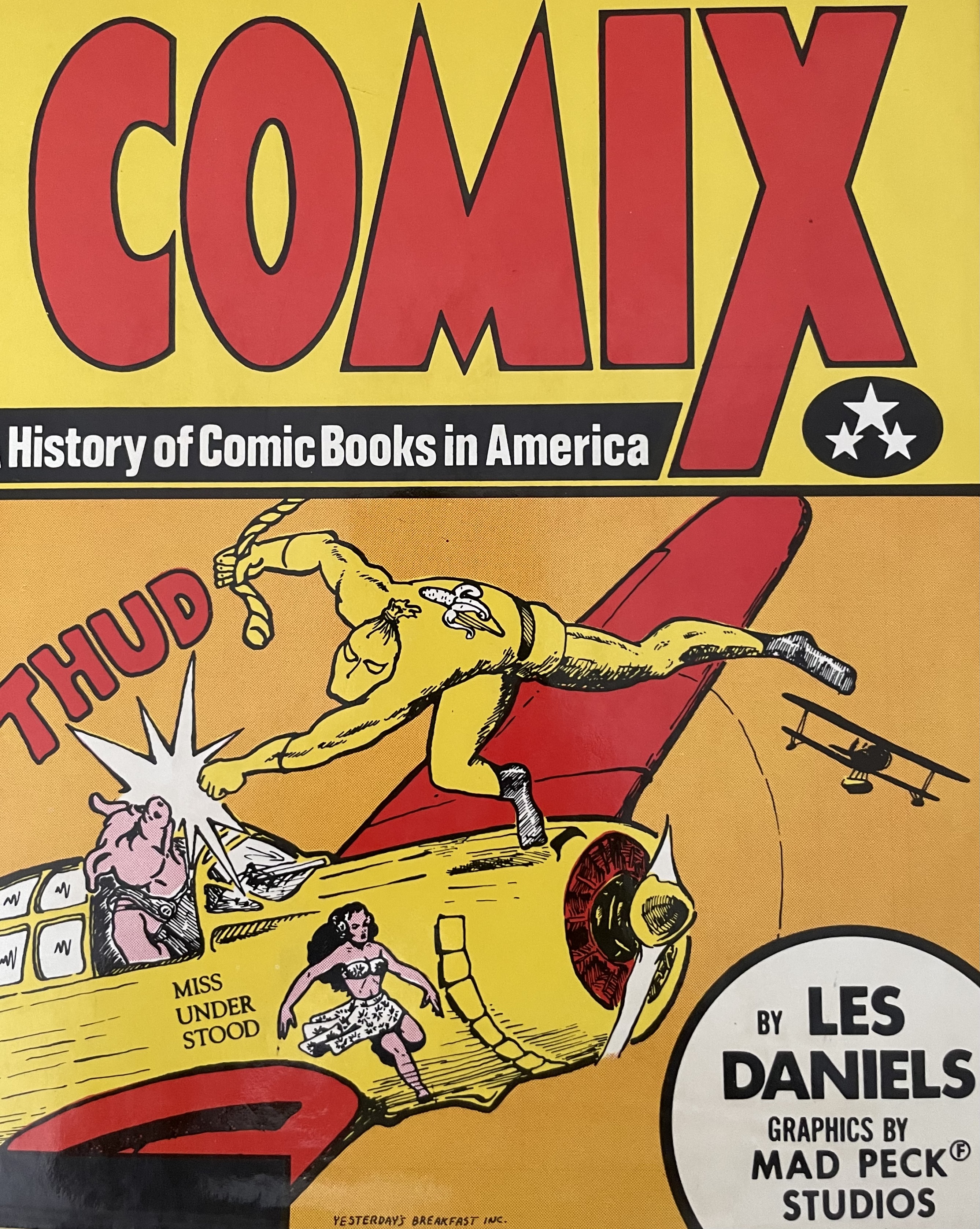
A History of Comic Books in America doesn’t have much exposition (great selling point for me when I was a kid), and the double spread for each page is awesome! Plus, the selections are great, maybe the best I’ve seen in books about comic books. Jack Kirby on Fantastic Four! Steve Ditko drawing Dr. Strange! Jack Cole drawing Plastic Man! Plus, there’s a bunch of cool E.C. stuff that books like this sometimes shy away from.
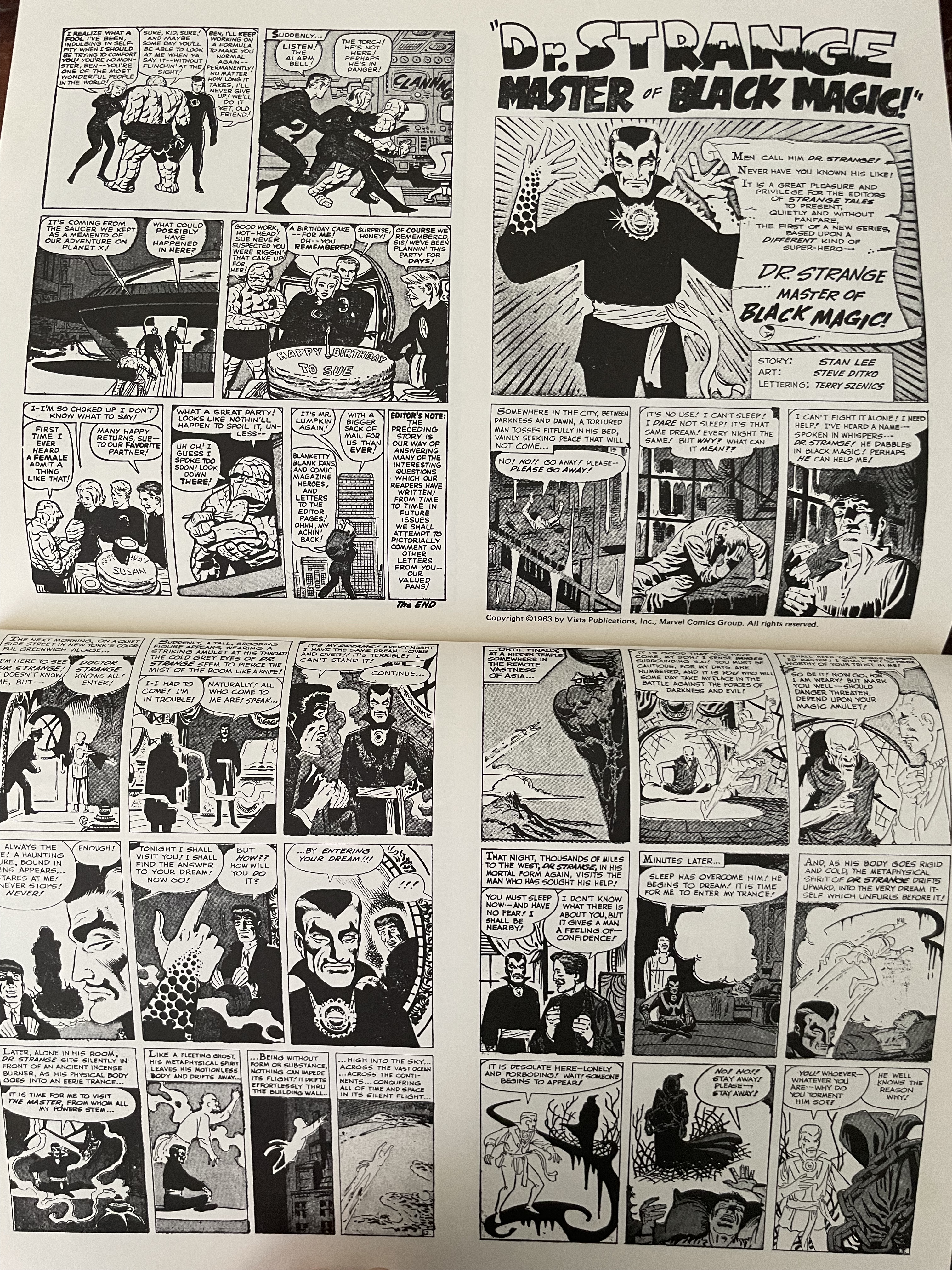
As crazy as some of the Jack Kirby Fantastic Four or Steve Ditko Dr. Strange stories were (above picture), some of the E.C. stuff from the 1950s was (picture below) even crazier, and I didn’t even know about it until reading this book and others like it. I liked knowing about E.C. comics, but it was also frustrating because they were almost impossible for me to find/buy in the 1970s. Aaarrgh! I might have been better off not knowing about them for a while.
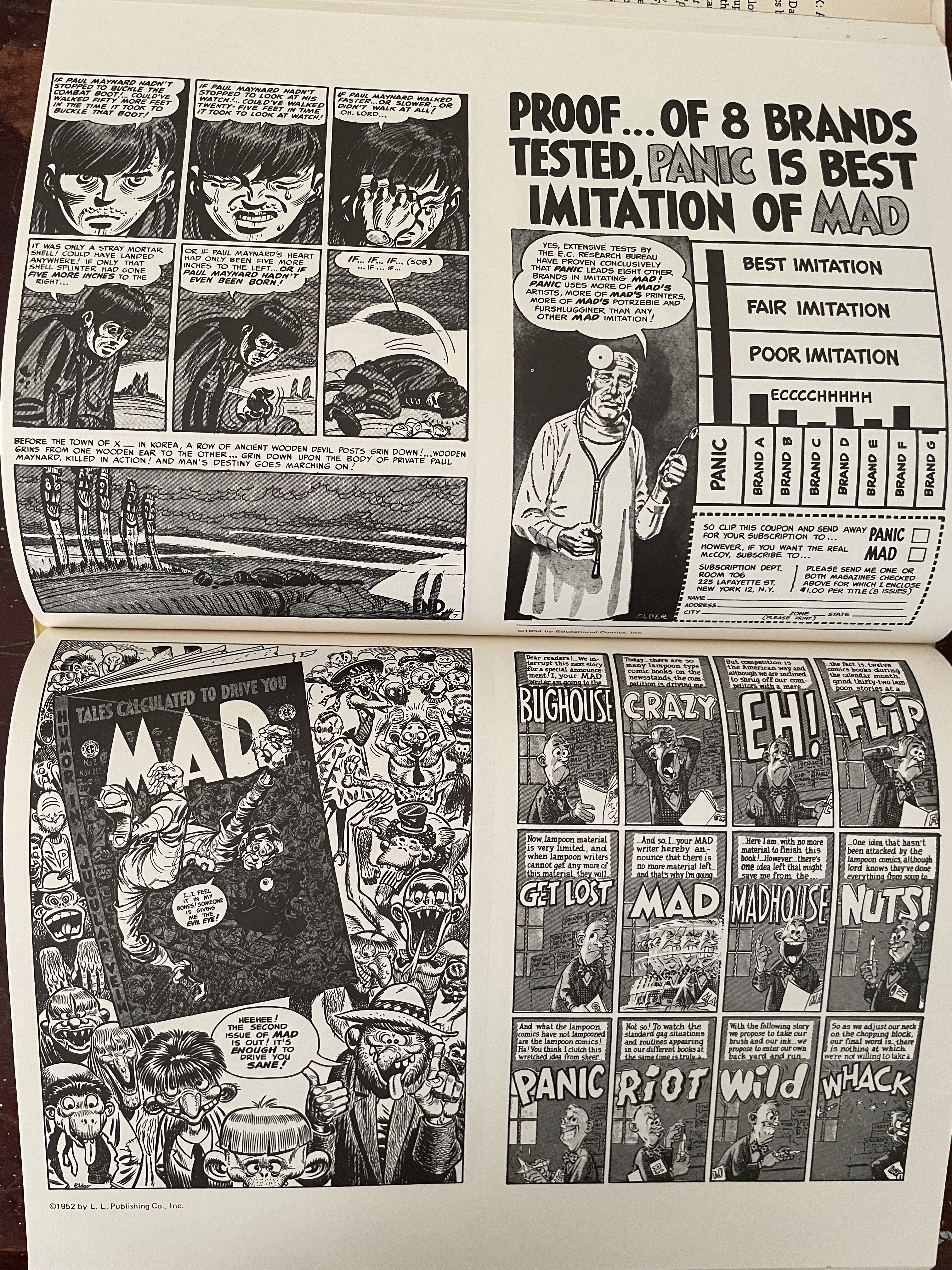
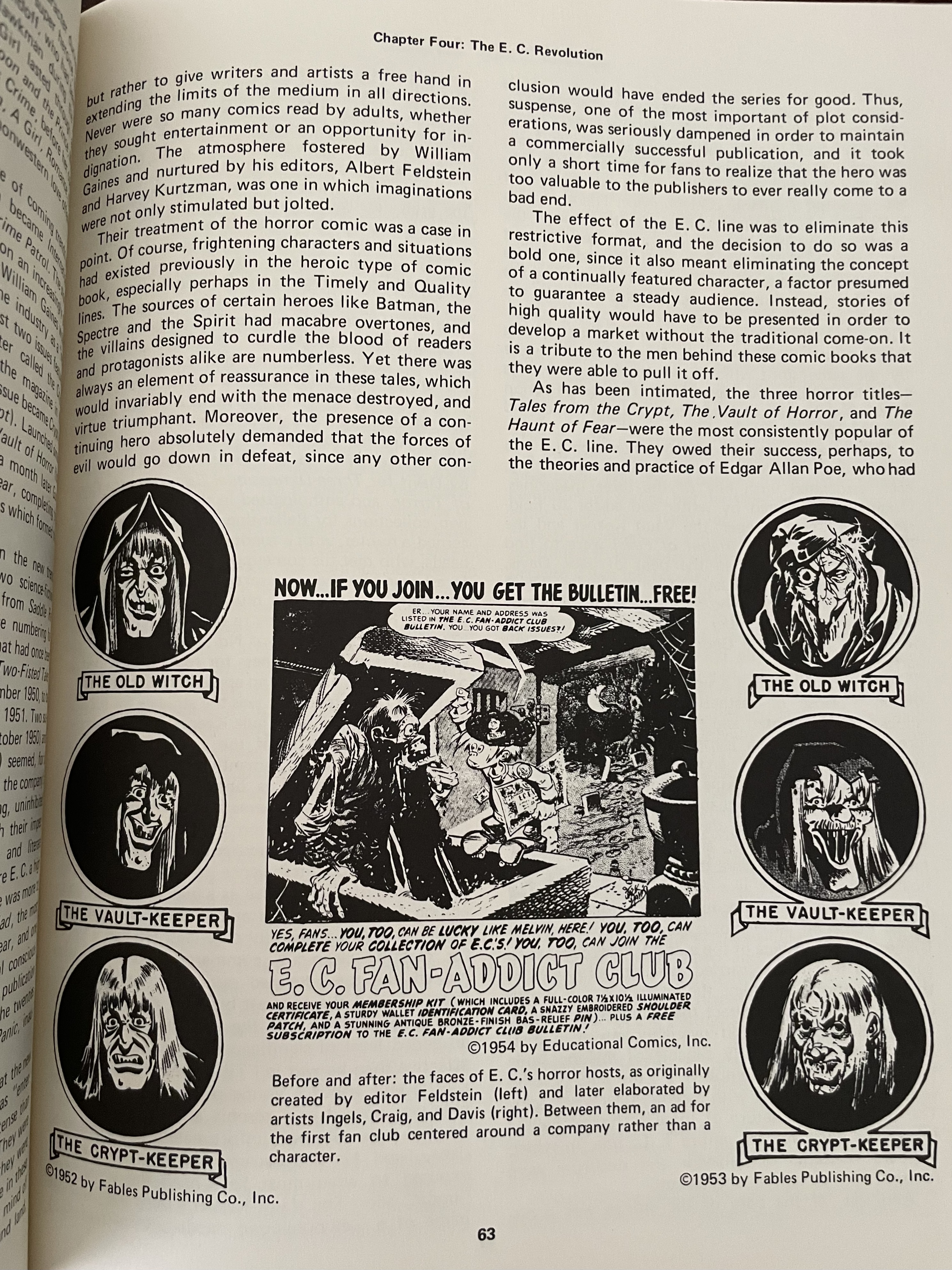
However, if not for this book (and others), I might have limited myself exclusively to Marvel Comics and the superhero genre, but after reading these comic book history books and seeing all of the other great stuff out there (most of which I just can’t get to in one blog post), I branched out into other areas when I could. If you like comics nowadays, you’ll never run out of great reading material.
The Comics: The Complete Collection
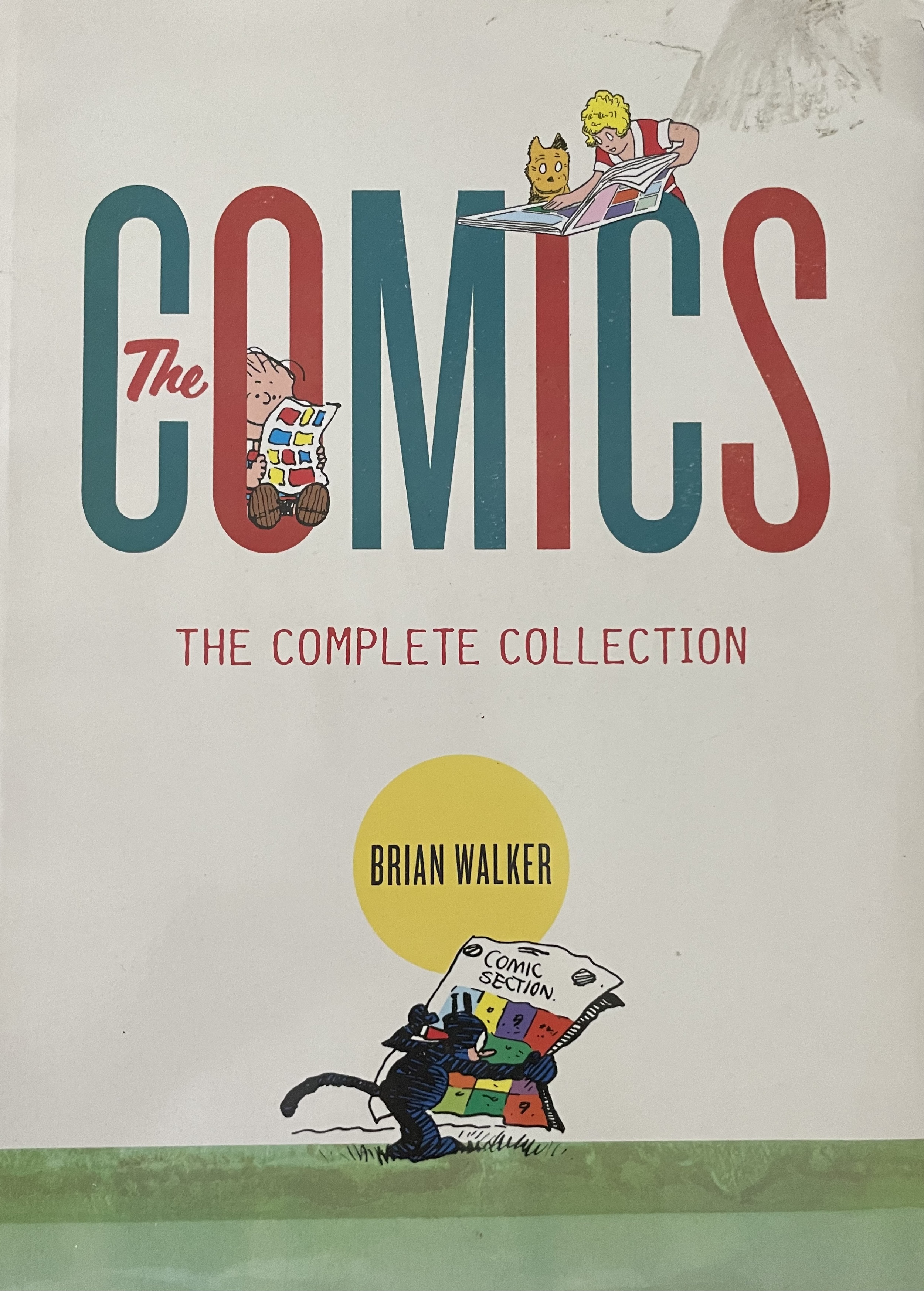
The Comics: The Complete Collection is huge, hardcover, and heavy, and this one is solely about comic strips. It’s not the kind of book you should read while lying on your back and holding it over your face. I should know. I tried, holding it precariously over my face, and accidentally dropped it. Now I talk funny, but I’ll get over it. I have a blog.
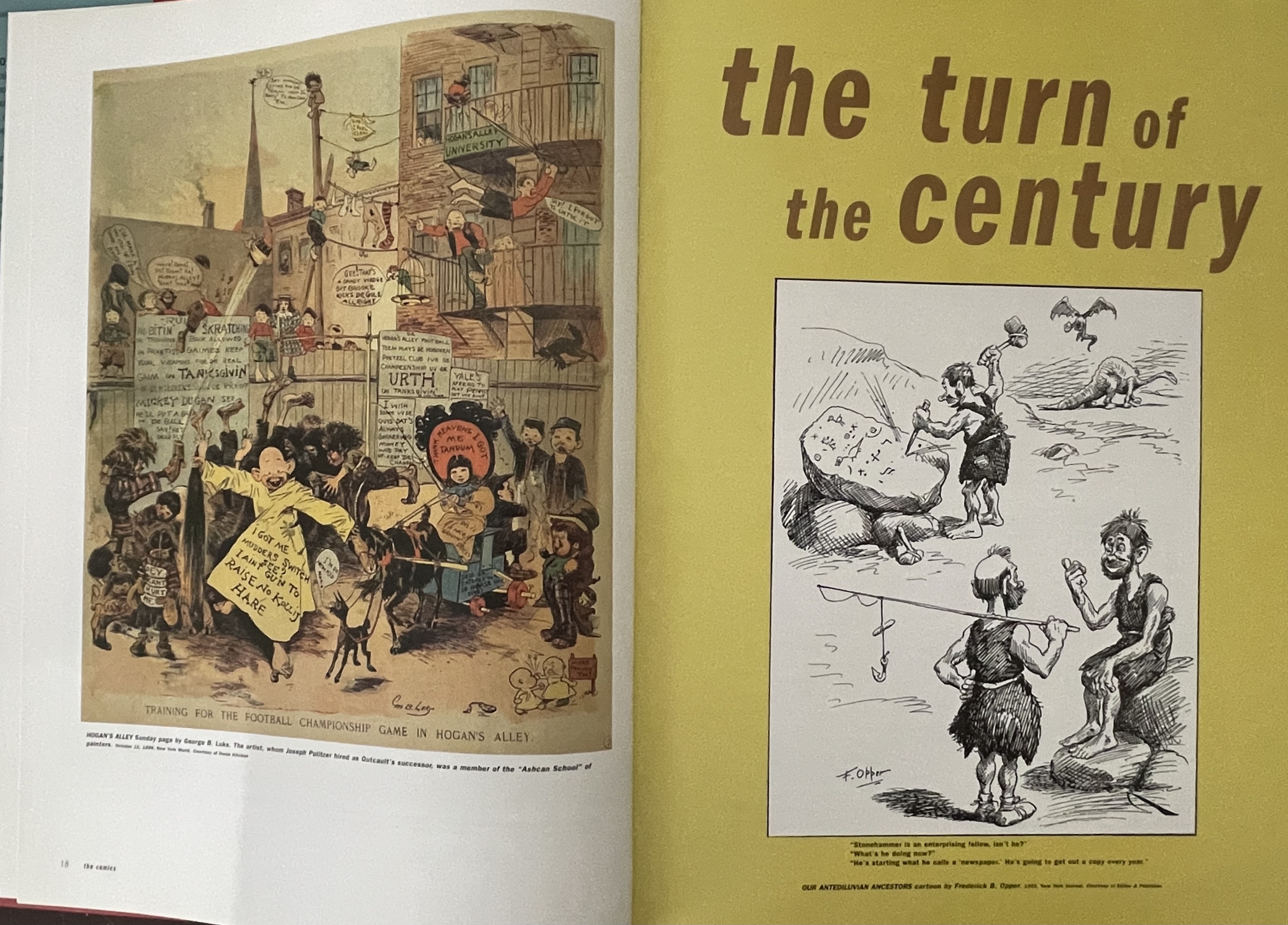
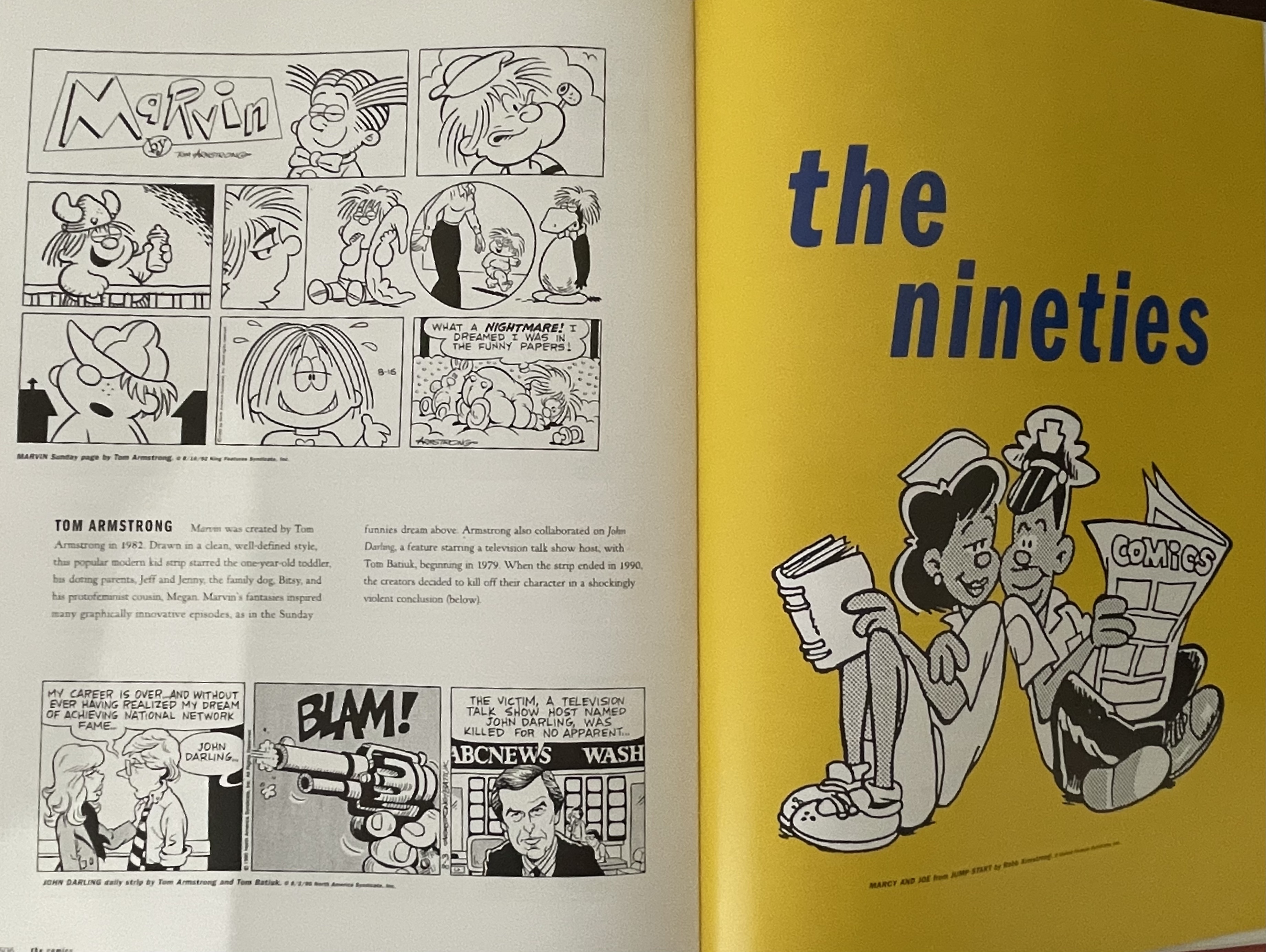
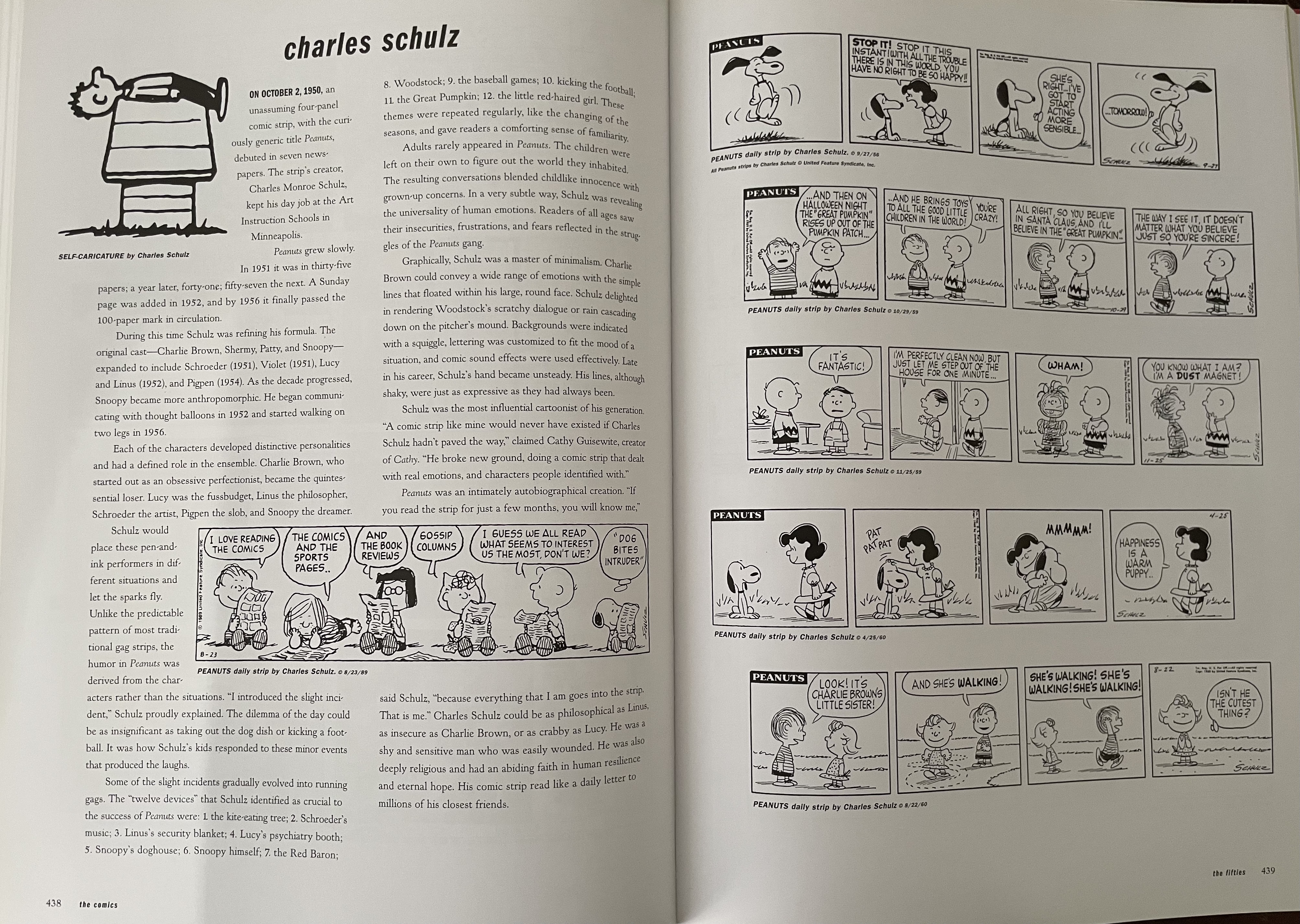
The Comics: The Complete Collection is more about showing the comic strips than informing with exposition, but there’s still just enough biographical stuff for readers to get background info about creators they might be unfamiliar with. It’s pages and pages of comic strips from each decade of the 20th century, and there’s a bunch of comic strips and creators that I had never heard of before. If you find this book, just make sure that you have a comfortable place to either sit with it on your lap or a table you can place it on.
Backstage at the Strips by Mort Walker
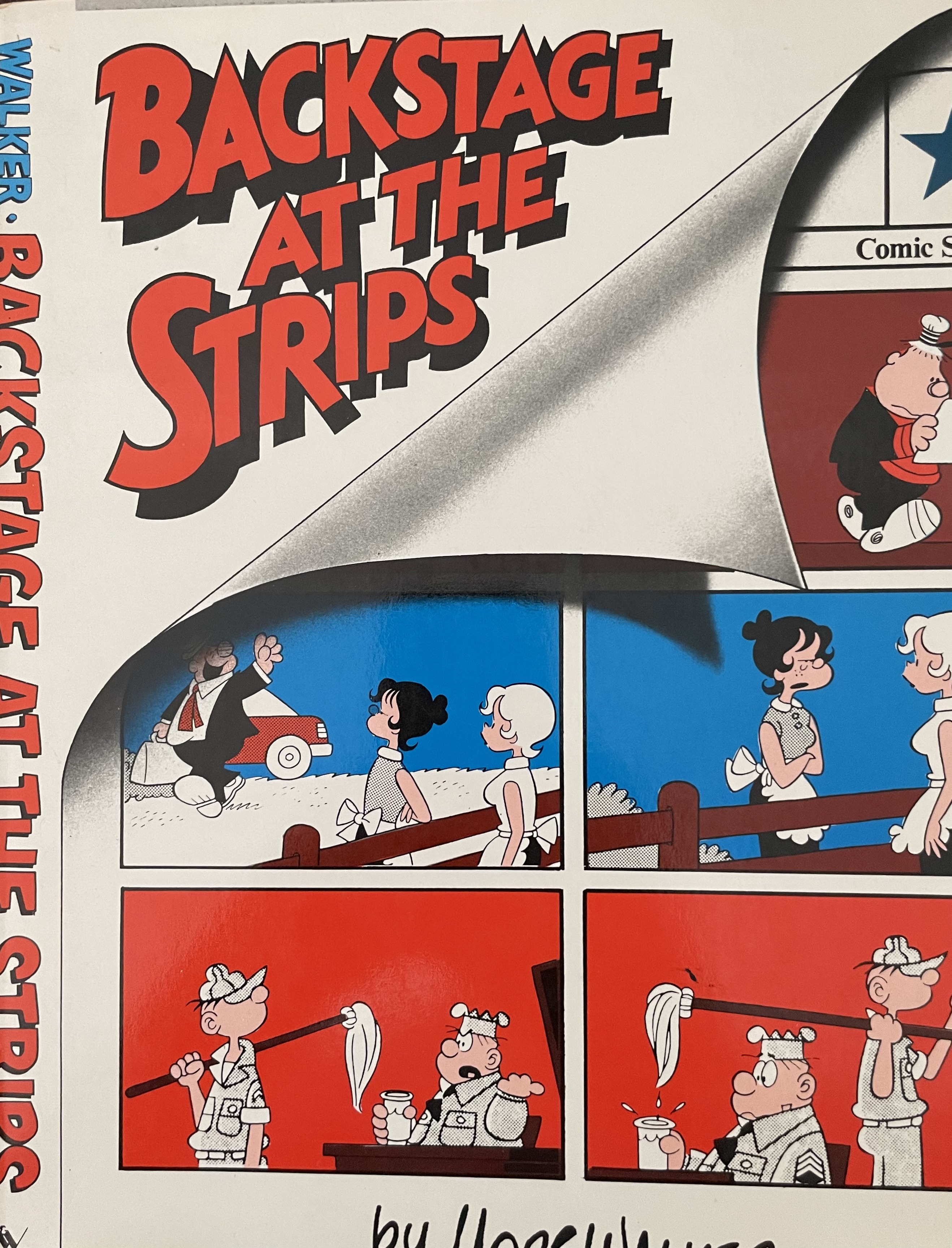
This large trade paperback might not count as a pure comic strip book, but I’m going to include it anyway. Yes, it’s written and put together by a comic strip creator, Mort Walker, and it focuses primarily on that one comic strip cartoonist, Mort Walker, but Backstage at the Strips still does a enough discussion about the history of comic strips and their influence on culture for me to justify this book being on my list. Plus, it’s my list. If you don’t like my list, then make your own list.
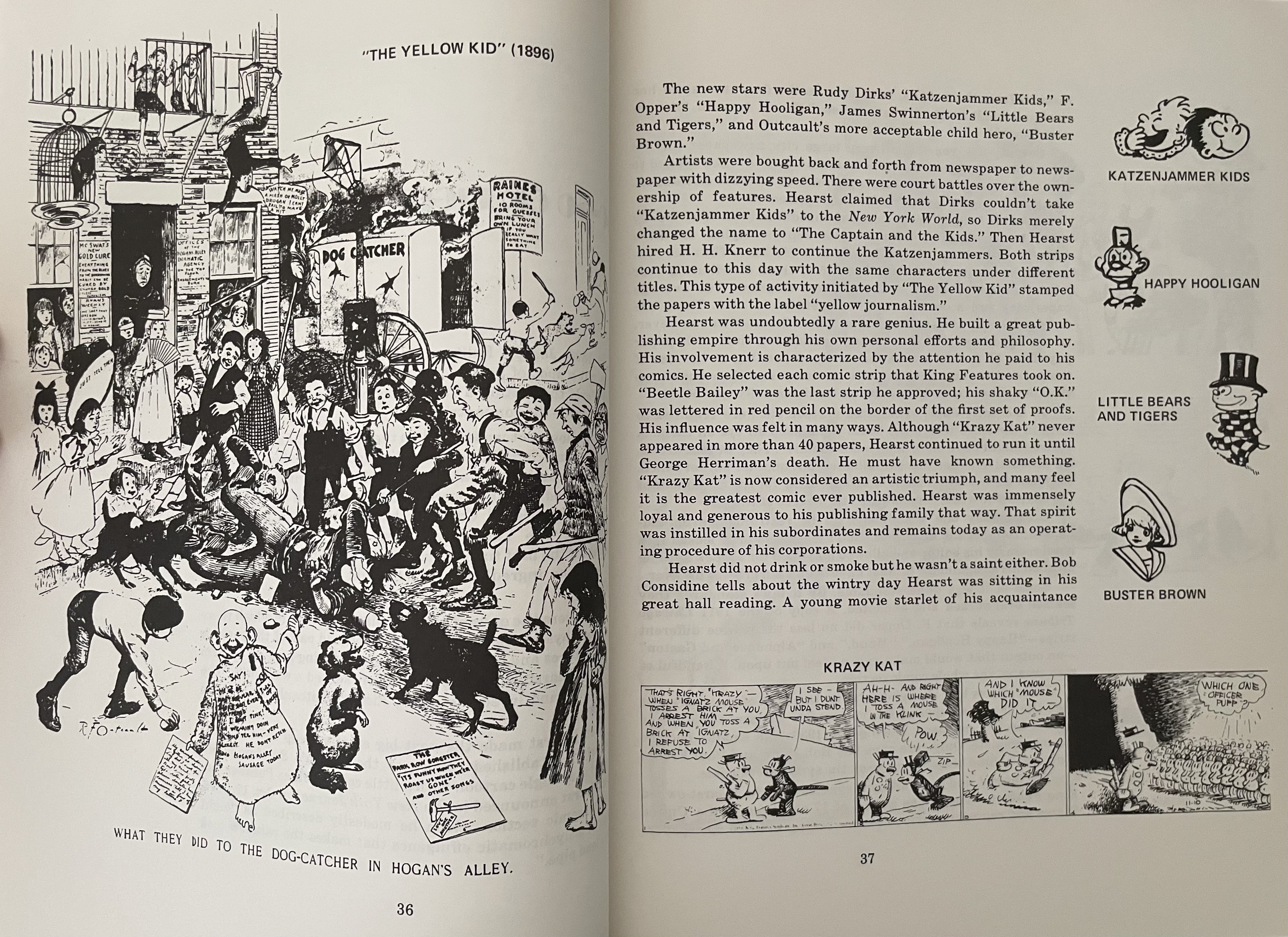
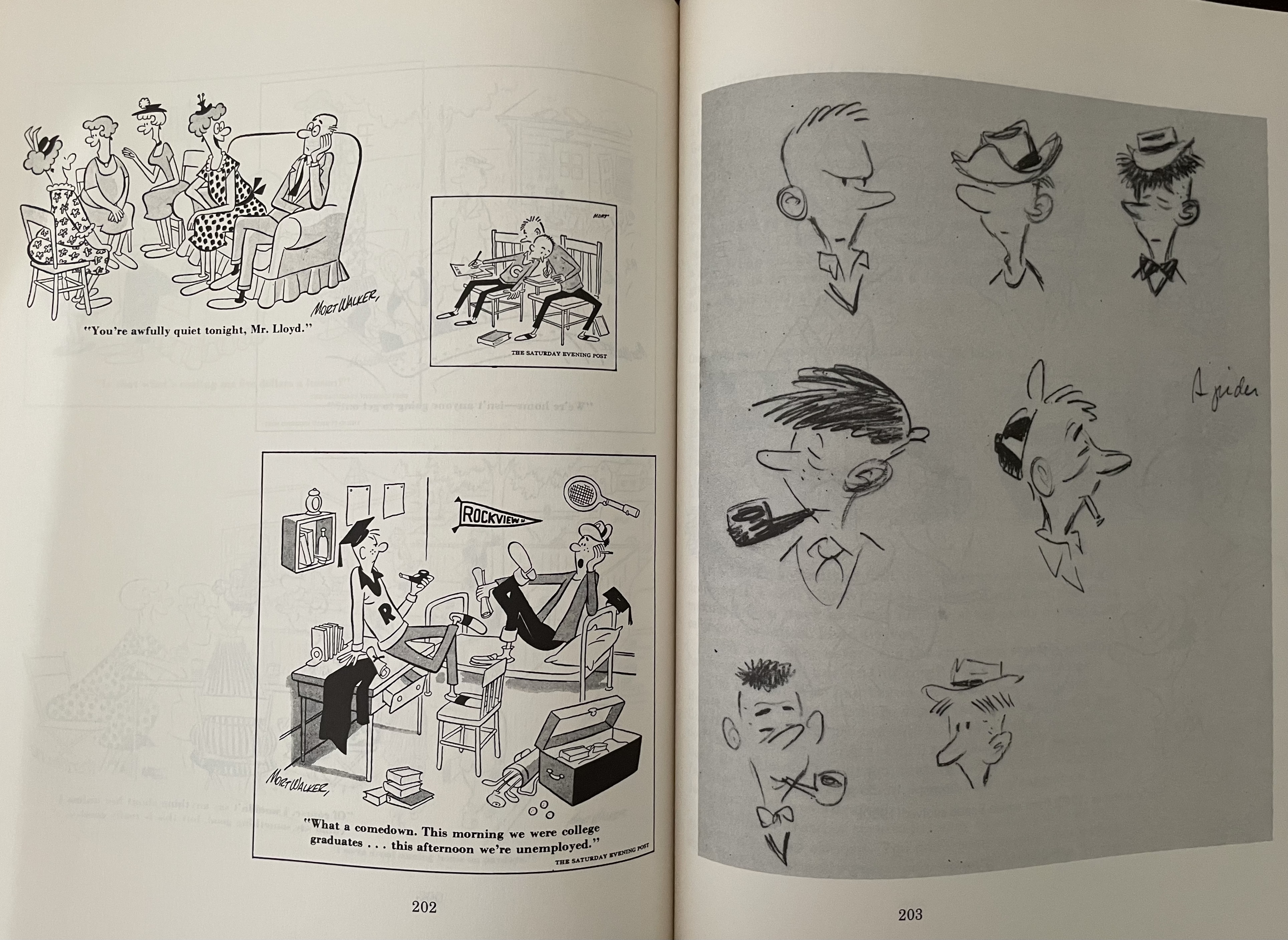
Comic strips don’t seem to be as big of a thing as they used to be, but I understand why. Since newspapers don’t have the circulation and influence they had in the past, it makes sense that the comics in the funnies sections would also lose their audiences. Even so, whenever I put a book of old comic strips in front of some students (I chose kids who would treat the books respectfully), a lot of them still gladly read the comic strip books… and liked them, even though they had no context beforehand of who the characters were. I saw that a lot as a teacher. Of course, I didn’t show my students these particular books. I wasn’t THAT dedicated.
Here are a couple honorable mention books about comic books and comic strips.
Jack Kirby & Stan Lee: Stuf’ Said by I’m not sure.
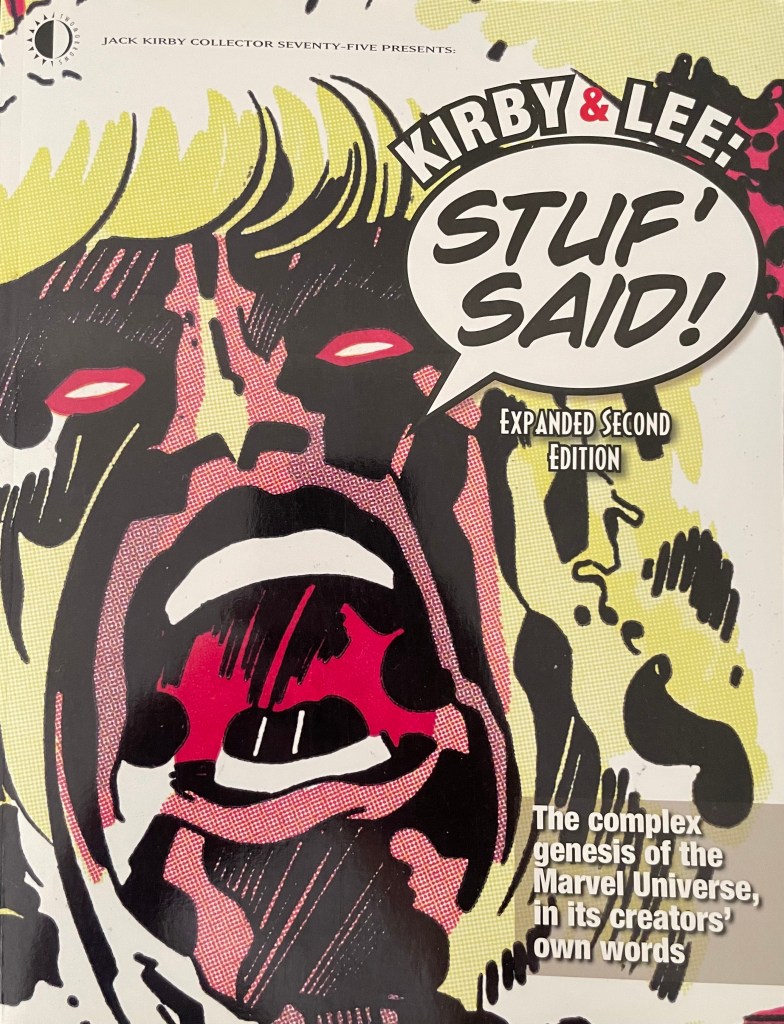
I’ve already written a blog post about this book, so you can read about it here. It’s one of my favorite books of all time (I explain why in the blog post), but it primarily focuses on Stan Lee and Jack Kirby from Marvel Comics, so it really belongs in a different category. Still, it’s about comic books, so I will at least mention it here.
Excelsior: The Amazing Life of Stan Lee by Stan Lee and some other guy
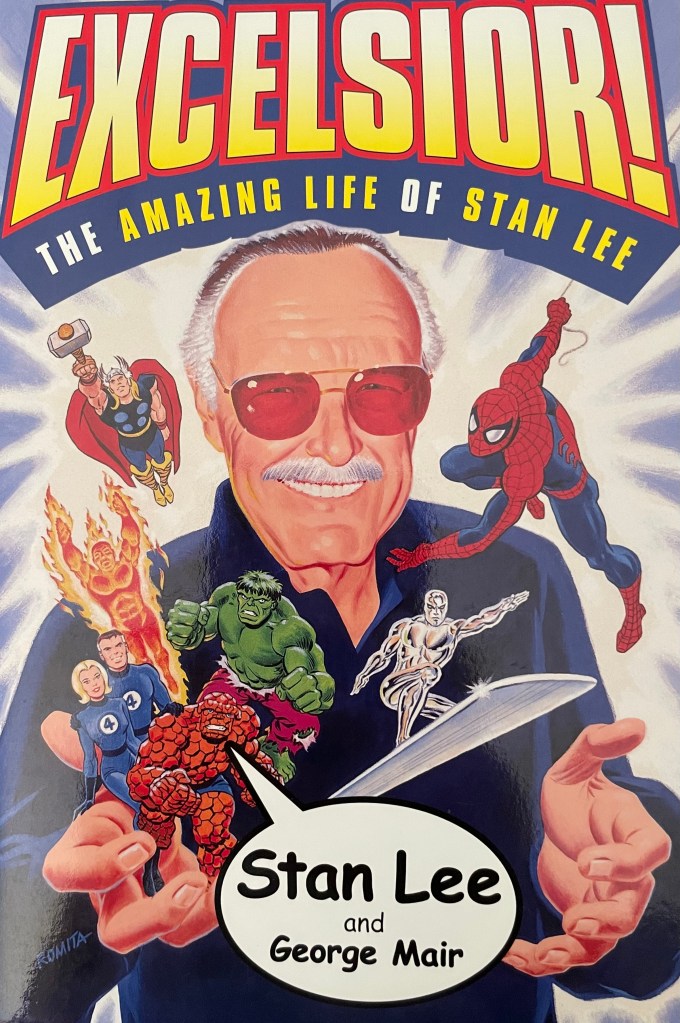
I’ve also written about this trade as well (and you can read about it here). This is a great book for fans of Stan Lee, but it might piss you off if you have strong anti-Marvel feelings for how Marvel artists like Jack Kirby and Steve Ditko were screwed over by Marvel (and maybe even by Stan Lee) in the 1960s and 1970s. This is definitely a pro-Stan Lee book, which is what I’d expect from a book written by Stan Lee.
*****
But enough about me! What do you think? What other great books have I missed? What is your favorite era for either comic books or comic strips? Which of these books deserves its own blog post? What other types of media are fun to read about? Prove that you can read exposition between pictures by leaving a comment below!
*****
For more about comic books and comic strips, see The Comic Book/Comic Strip Home Page!
*****
This isn’t a novel about comic books, but it has a lot of comic book references (not enough, however, to annoy people who don’t read comic books).
It’s the oldest story in the world, 1990s style!
Man meets woman; man falls in “luuuvvv” with woman; man gets blindsided by reality!
The Sunset Rises: A 1990s Romantic Comedy is now available on Amazon !
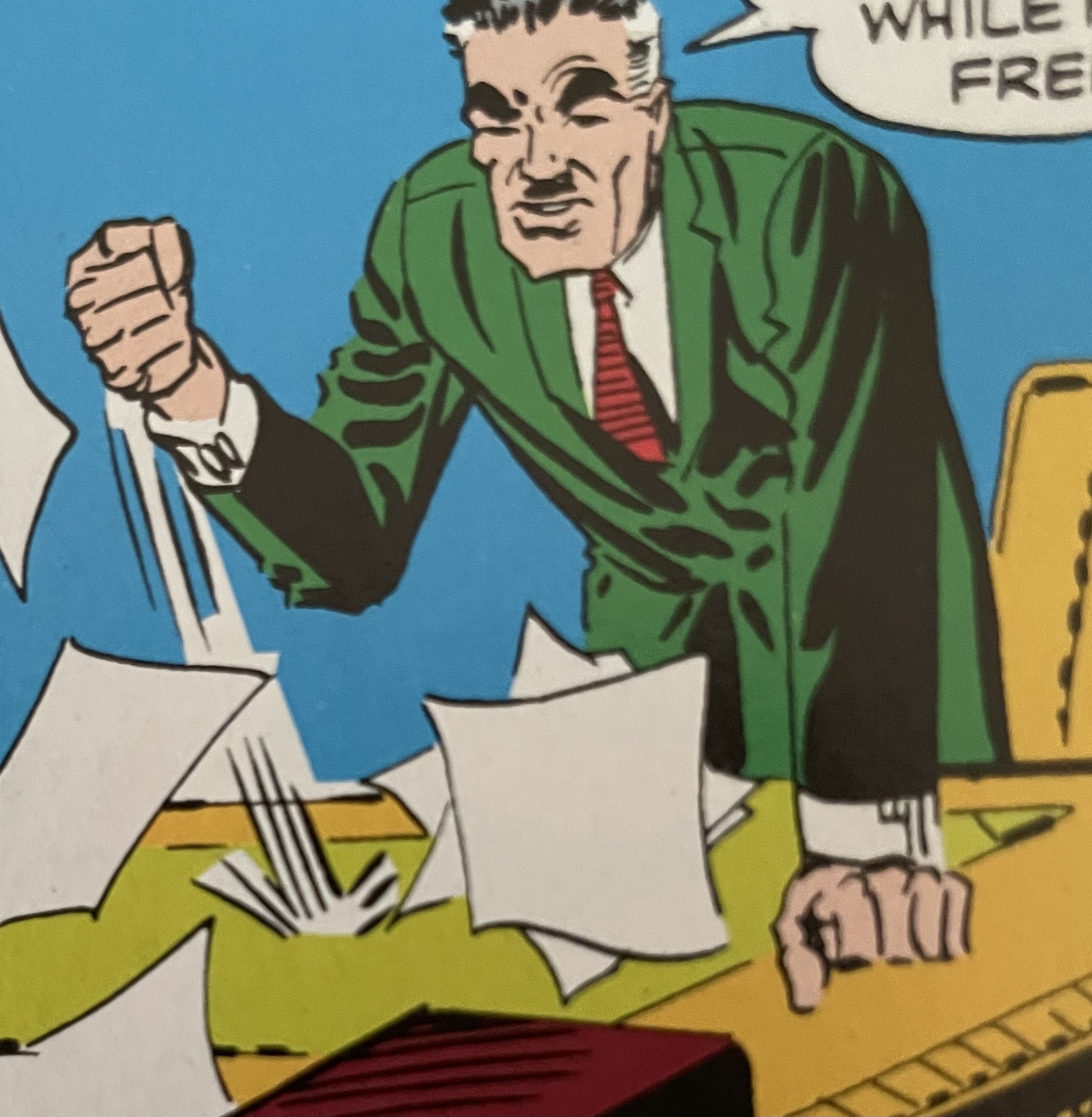
Even though I try to maintain a calm demeanor in most situations, I know that every once in a while it’s good to unleash a satisfying rant. Despite what people might think, a rant doesn’t need to be out of control or explosively loud. A rant should, however, be one-sided and uninterrupted. A rant is not a debate, at least not while I’m ranting. So I’m going to rant.
If you want to argue or discuss the rant afterward, that’s fine, but it’s considered rude to interrupt a rant, especially when the ranter has announced the rant ahead of time.
I haven’t done a series of literary rants in a long time because I’ve been doing a better job of not being bothered by the stuff that I can’t control. That’s great in my personal life, but it’s not necessarily good for a blog when I need good topics. So, here we go… If I still let stuff like this bother me, this is what I would rant about. I mean, this is the stuff that I’m going to rant about.
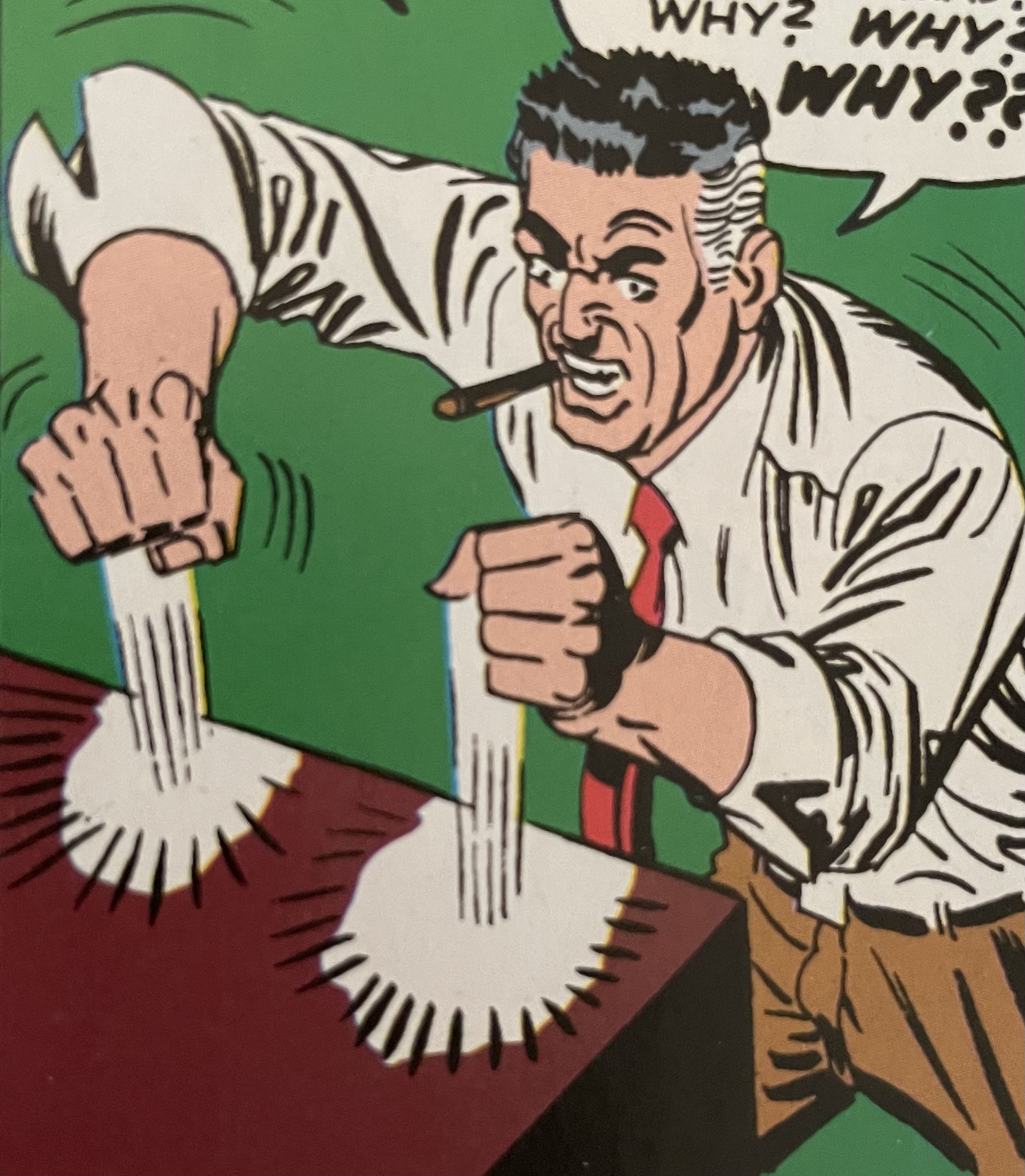
Why Should Writers and Other Content Creators Expect To Get Paid?
Lately I’ve seen and read about multiple writers and video content creators complaining that their revenues have been dropping over the last few months. Most say these revenues are decreasing so much that the content creators claim that they might have to find real jobs to replace the revenue from their content creation.
Part of me is amazed that these creators get paid in the first place. When I check out their videos, websites, substacks, Patreons, Discords, and whatever else is out there, I think, “Who pays for this?” or “Why would anybody pay $10 a month (or more) for this?” That might sound harsh, but these creators have so much competition from other creators that potential subscribers have too many choices and not enough money to support everybody begging for money.
Another part of me is amazed at how entitled these creators seem to be. They act like (maybe they’re faking it) they expect to be paid enough to make a living off of only making content. Don’t get me wrong. I’d love to make enough money to live off from writing books and a blog, but I also know that’s a lot to ask out of life. Some of these creators seem mad that they might have to get real jobs.
But then if they try to make content while they’re on a real job, they’ll probably get fired and the whole world, including potential future employers, will see it. Now THAT’S entertainment almost worth paying for. Almost.
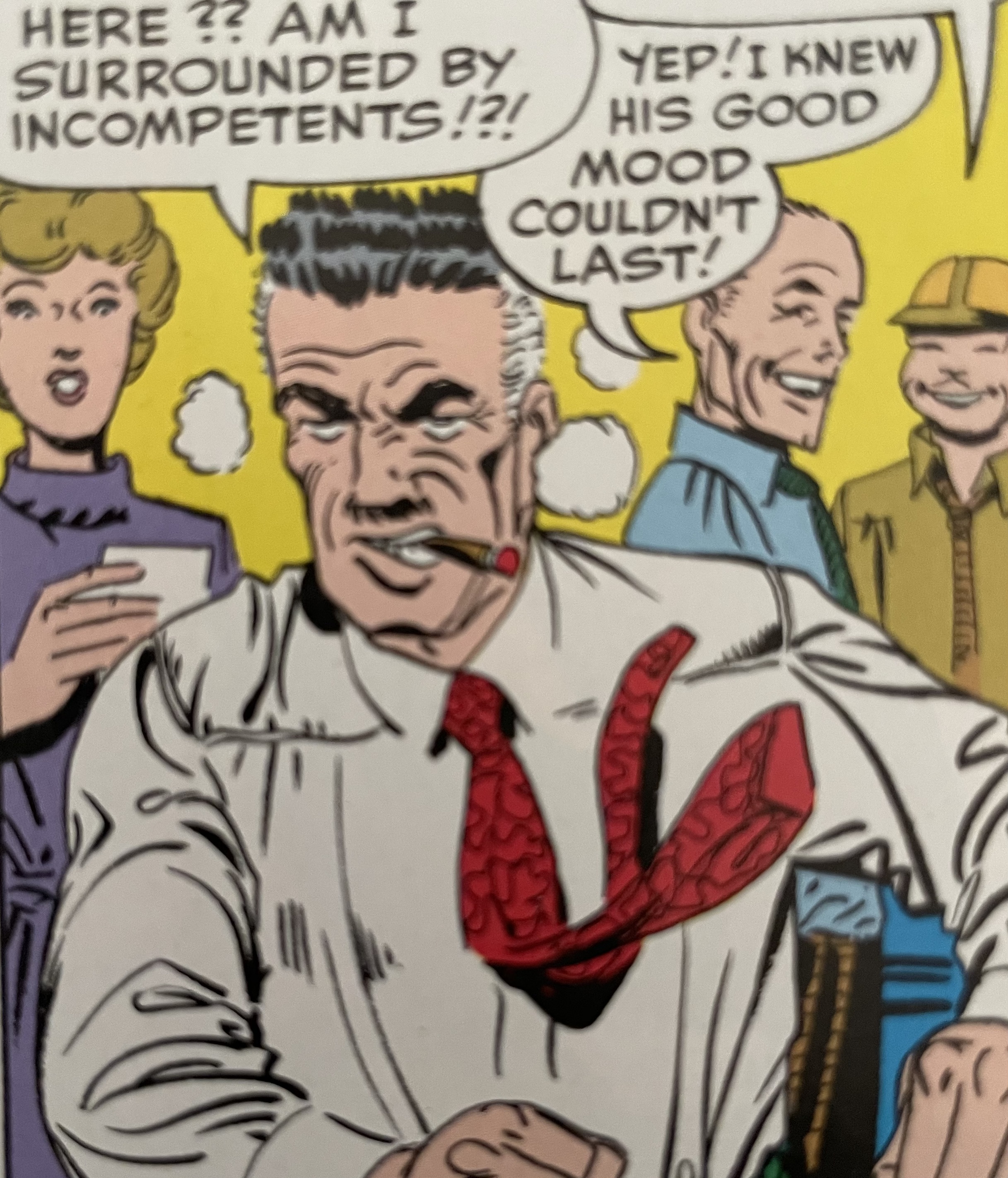
A.I. vs. Old Stuff
Book readers today are paranoid that current books are being written (or are overly influenced) by A.I., and I can understand why they think this. Proponents of A.I. are constantly droning on (loaded phrase) about how A.I. is here to stay and that if you don’t get on board with using it, you’ll be left behind. What’s an aspiring author supposed to do? Using the A.I. proponent’s logic, it makes sense for a writer to implement A.I. to write more efficiently since that’s what corporations and (maybe by association) publishing companies want.
Hey, I don’t agree with that previous sentence. I’m just speculating why an author might be using A.I. in today’s economic environment. Or maybe those authors are just dirty scumbag cheaters.
But that’s not the point of my rant. If you’re paranoid about reading any recently published novels, then just read an older book. Countless great novels are already out there, and they’ve been vetted by the general public for years, if not decades or even centuries. In fact, I bet we could put a moratorium on book publishing, and even the most voracious of readers would have no problem being entertained by novels written over the last hundreds of years.
I’m not saying that we SHOULD put a moratorium on new books; I’m just saying that we could, and we’d still have more than enough awesome reading material to be enlightened and entertained for infinity (whatever that means) because… right now there are too many darn writers out there and not enough readers. A good moratorium would fix that.
Now, go read Finnegans Wake by James Joyce… and then explain it to me in simple terms that I would understand.
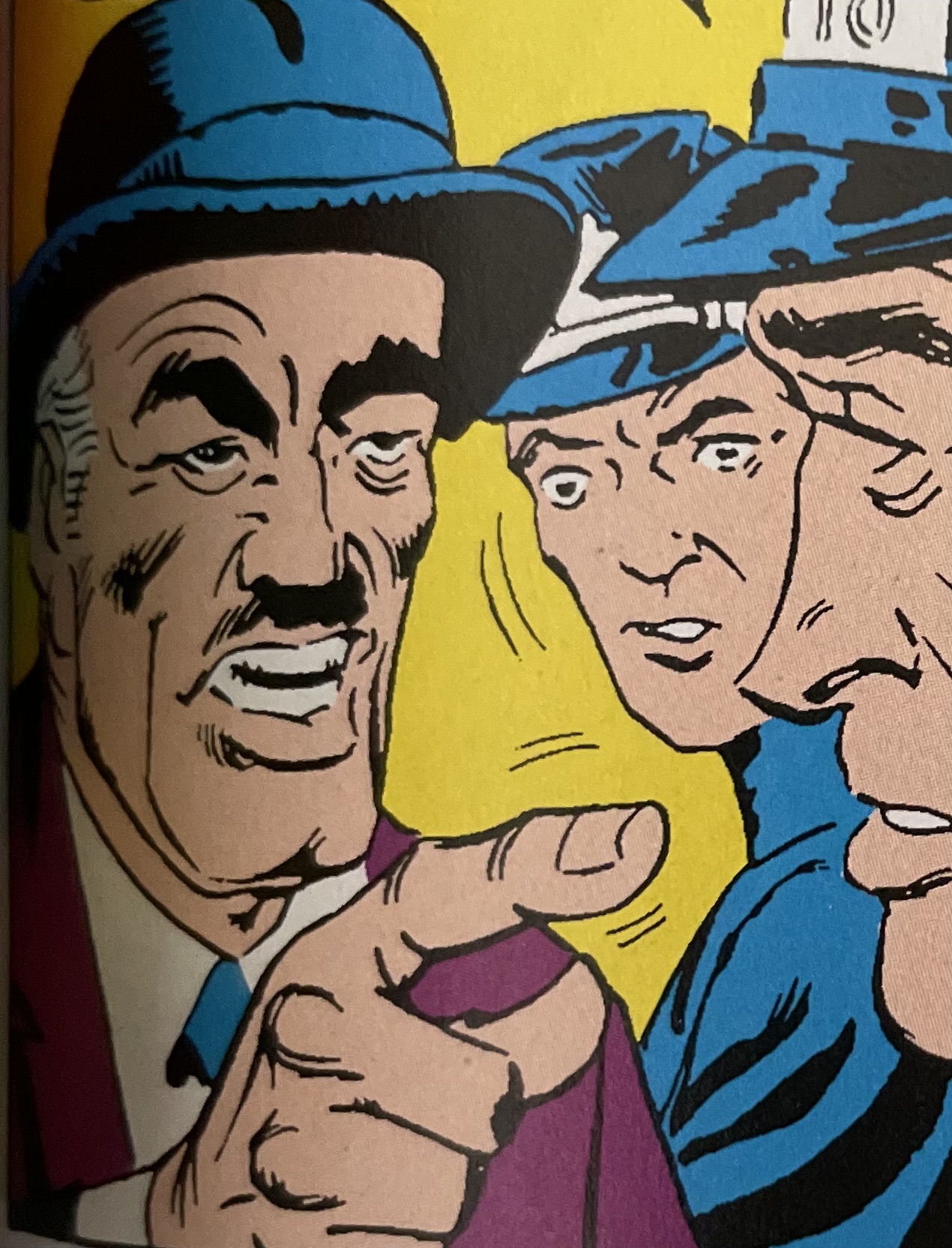
Book Flippers Getting Carried Away
Collectors of all kinds are going back to owning real books and vinyl and CDs and other stuff like that because digital platforms can’t be trusted to allow you to keep your digital ‘purchases.’ Platforms can change their terms of service without warning and even change the content of the stuff that you own on your devices without your permission. I think the phrase going around now is ‘buying is now renting.’
Because of a surge of interest in physical copies of old books, book flippers are jacking up prices of the somewhat rare stuff, which by itself I have no issue with. The problem is that I’ve seen too many of these flippers on the collectors sites that I use getting overly aggressive with their prices and just letting these books sit for long periods of time. I know this because I’ve been wanting to buy a few of these books, but I refuse to pay the current going rate. I don’t like encouraging bad behavior.
My disgust with overly-aggressive book flipping might seem hypocritical because I kind of do something similar. I buy stuff that I want to read, read it, and then usually resell it when I’m done, and if I can get a little profit, I’ll go for it. My goal, though, is to keep everything moving. I want the books that I’m selling to move. I want the money I have allocated for buying and selling to move. I want my collection (what’s left of it) to keep changing. I don’t want any of this stuff to stay in the same place for very long.
Even though everybody hates concert ticker flippers and trading card flippers and flippers in general, book flippers can behave badly too. I’ve seen a book flipper take all the books out of a Little Library without replacing them (I don’t know if the books were any good). I’ve seen a book flipper grab all the old paperbacks in a Nostalgia section of a used book store and stick them in a shopping cart while he looked up prices on his device. If he liked the price, he kept the book in his cart. If he didn’t like the price, he put the book back on the shelf and he guarded the unchecked books as if they were already his.
If you’re stealing books from a Little Library, then your business model sucks. If you think you’e going to find a bunch of bargains in used book stores anymore, then you don’t know the book market enough to flip books. Either that, or you’re wasting your time on really low profit margins.
AGGRESSIVE BOOK FLIPPERS! YOU SUCK! AND YOU’RE WASTING YOUR TIME! AND NOBODY LIKES YOU! HAHA! Yeah, that might be a little harsh, but it’s my rant.
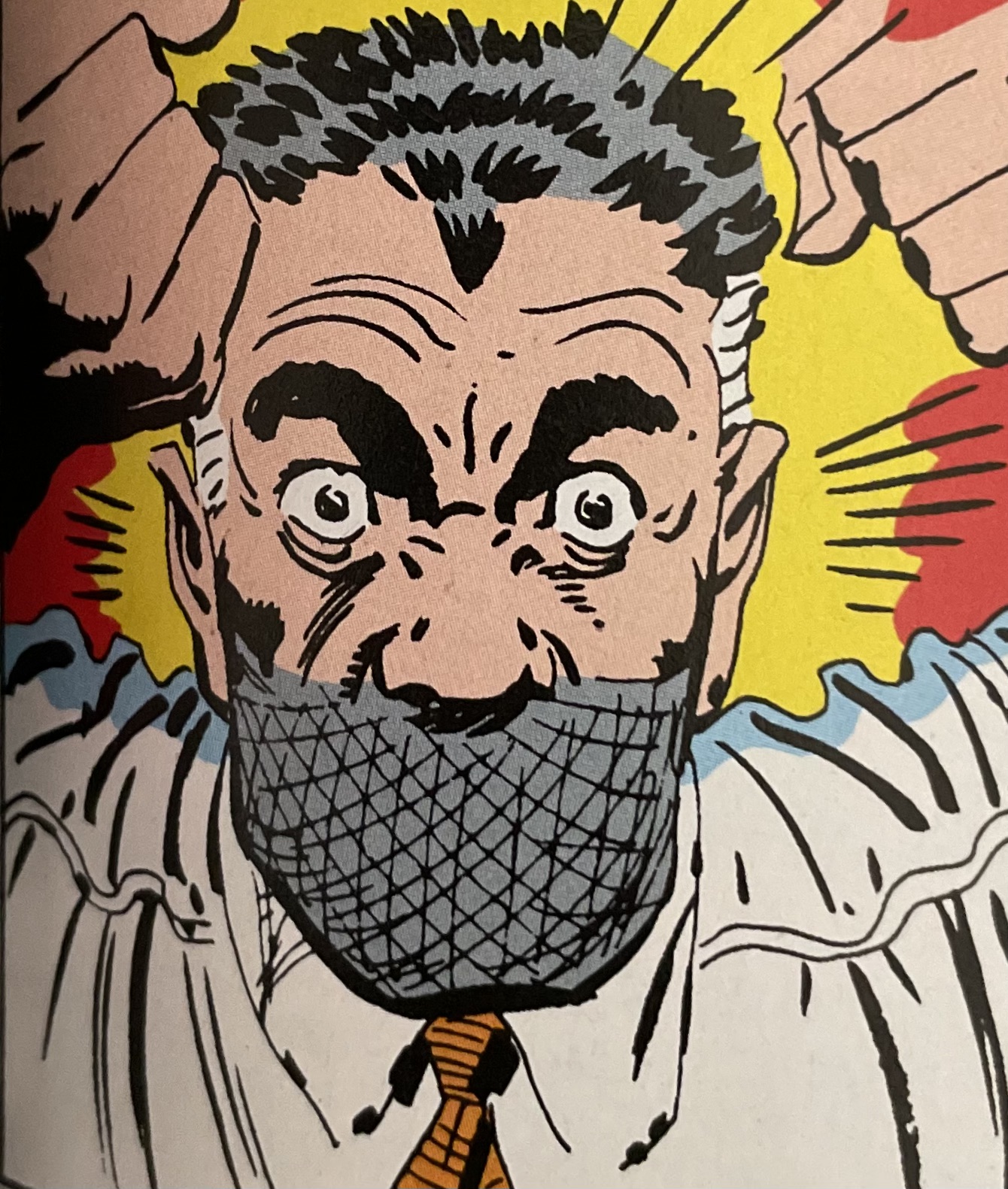
I think that’s the end of my rants. ALL CAPS is a great way to finish a rant on a strong note, but you don’t want to rely on it the whole time because people don’t like getting yelled at. Plus, I’m a naturally quiet guy, so throwing in the occasional ALL CAPS with a nice “YOU SUCK!!!” is a great change of pace at the end that often makes the audience wanting more. Always leave your audience wanting more.
Maybe I should have only done one rant instead of three. Oops!
*****
Thank you Steve Ditko, Stan Lee, and J. Jonah Jameson for the wonderful rant pictures from early 1960s Amazing Spider-Man reprints in this blog post.
*****
Enough about me and my opinions! What do you think? What literary topics are currently getting under your skin? Should I limit my rants to one per blog post, or is it better to give readers their money’s worth by providing three at a time? Is it rude to interrupt a rant, or did I make that up? Was I too harsh at the end of my rant, or do overly-aggressive book flippers have it coming? Please show that you’re a proponent of rants by leaving a comment below.
*****
For more Literary Rants, see…
The Literary Rants: Amazon, Game of Thrones, and Playboy
The Literary Rants: Unrealistic Writing Goals
The Literary Rants: The Oxford Comma
*****
After that last rant, I don’t think any aggressive book flippers are going to be buying my ONE and only novel.
A grammar-obsessed English teacher falls in ‘luuuvvv’ but discovers how chaotic and dangerous ‘luuuvvv’ can really be. It’s a romantic comedy from an ‘average’ guy’s point of view!
The Sunset Rises: A 1990s Romantic Comedy is now available on Amazon!
SHORT VERSION-
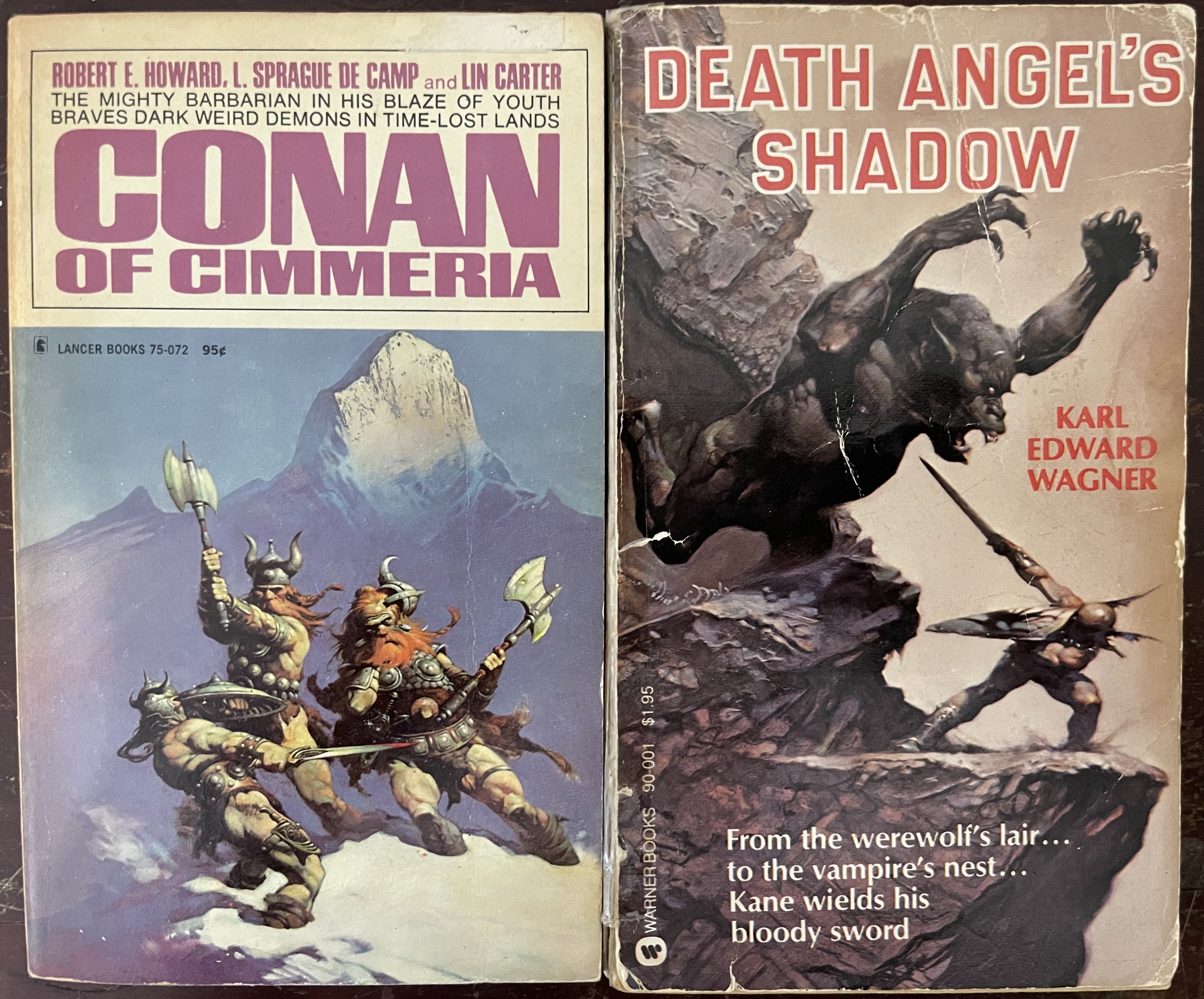
When it comes to sword & sorcery, almost everybody has heard of Conan the Barbarian by Robert E. Howard, but hardly anybody has heard of the Kane books by Karl Edward Wagner or even knows what sword & sorcery is.
****
LONG VERSION-
Sword & sorcery might be the most difficult genre (or sub-genre) to explain. It’s my favorite sub-genre when it’s done correctly (yeah, I know ‘correctly’ is subjective), and in my opinion very few authors get it right. Sword & sorcery is a violent adventure fantasy in a pre-Ancient setting (usually medieval type of civilization that was wiped out long before the Bronze Age) with a combination of anti-hero, action, war, horror, sorcery (of course), lusty scantily clad women, and bloody violence that most readers would be appalled by in real life. Great sword & sorcery stories don’t have to have all these traits (some don’t even have the lusty scantily clad women), but they have to have the right blend of the characteristics that the author chooses to use.
There are no sword & sorcery sections in bookstores because there wouldn’t be enough books to fill them, so they’re usually in the science fiction/fantasy section, and you have to know what books you’re looking for ahead of time, and even then it will be tough because new bookstores focus more on current trends like romantasy (if that’s what sells, then the bookstores have to sell it). Even used bookstores are no guarantee because hoarders and book flippers grab the old sword & sorcery right away and jack up the prices online.
To me, only two authors have consistently gotten the sword & sorcery combinations right in their stories: Robert E. Howard, best known for Conan the Barbarian, and Karl Edward Wagner, creator of the Kane series, which a lot of people today have never heard of. A lot of fantasy fans love the Elric of Melnibone novels by Michael Moorcock (Moorc… Hahah!… cough, cough…ahem… sorry… old habit), and some are more partial to the Fafhrd and the Grey Mouser short stories by Fritz Lieber. Some lesser known characters were Thongor by Lin Carter and Brak the Barbarian by John Jakes. Yeah, the names Brak and Thongor aren’t as cool as Conan or Kane or even Elric or Fafhrd, and their stories reflected that. If you’re going to write good sword & sorcery, you darn well better have cool names for your characters.
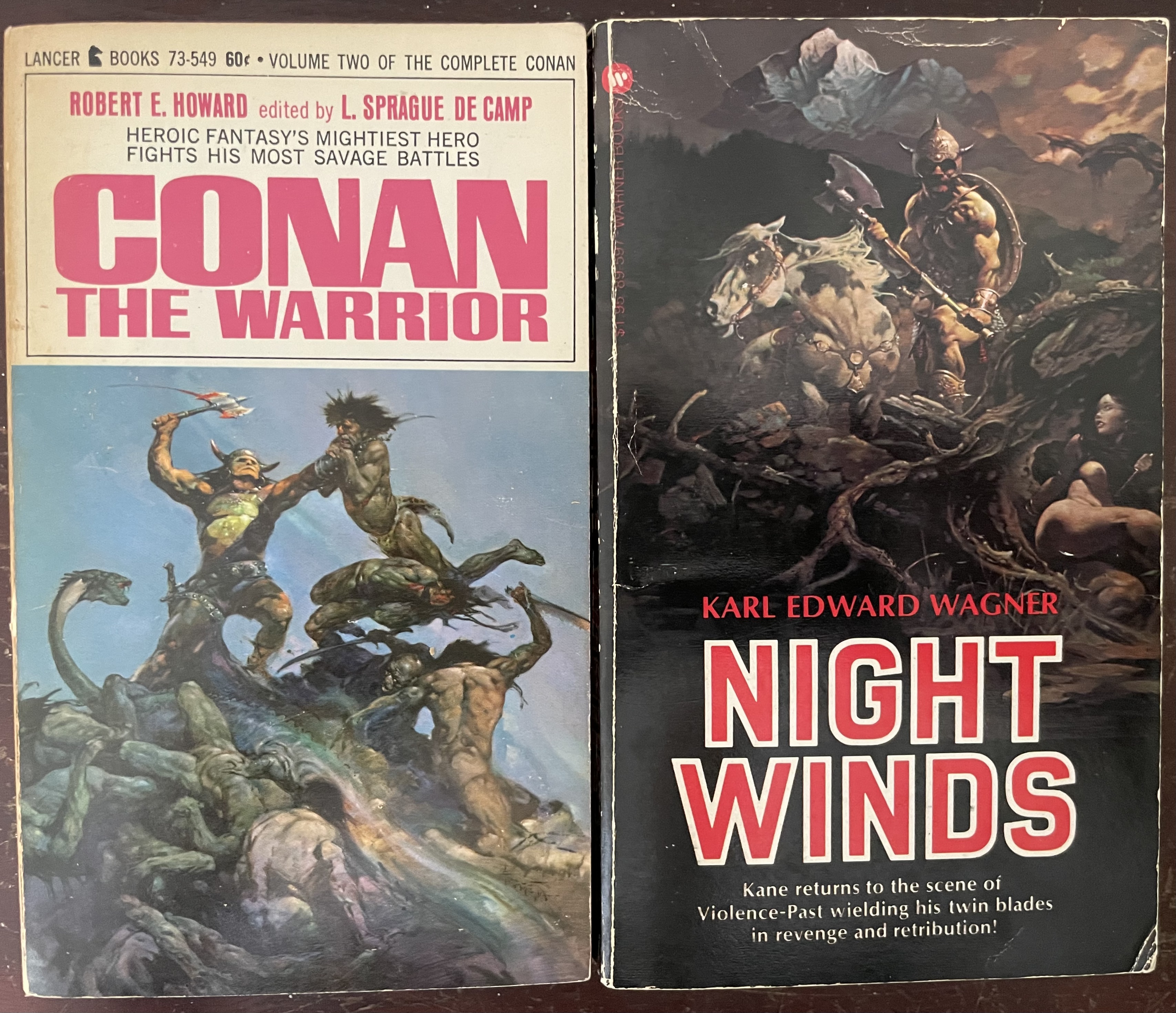
I think sword & sorcery usually works better in a short story format than that of a novel because it’s difficult to balance so many elements for very long. For example, Robert E. Howard wrote only one Conan novel, The Hour of the Dragon (sometimes published as Conan the Conqueror), and I don’t particularly care for it. Karl Edward Wagner wrote three Kane novels, Bloodstone, Darkness Weaves, and Dark Crusade, and out of those three, I only like Bloodstone. But I really like Bloodstone. It might be the only sword & sorcery novel that I really like. And it’s one of the few novels that I kept when I got rid of most of my books. And I’m not selling it either. You’ll have to pry it from my cold, de… Never mind.
A Game of Thrones (or A Song of Fire and Ice) by George R. R. Martin is almost a good example of a good sword & sorcery novel. It’s almost sword & sorcery, and it’s almost good. It’s almost sword & sorcery because it has all of the elements, except it has almost heroic figures like Jon Snow and Ned Stark rather than the one lone wolf anti-hero (maybe if either Bronn or The Hound would have been the central character), and the series is almost good, except the books get bogged down and lose their momentum, and even though some readers love the bogged down sections, those sections kept George R, R. Martin from finishing the series, so those sections automatically suck.
The best Conan short story (in my opinion) is “Red Nails” because there’s nothing else quite like it, sword & sorcery partially set in a pre-ancient dystopian society that turns what should be a utopia into a spiraling slaughterhouse. What it says about human nature is disturbing, and at the same time it’s a fast-paced action horror story. Other great Conan stories that break the normal man vs. monster story formula often found in generic sword & sorcery stories are “The Tower of the Elephant,” “Beyond the Black River,” “Rogues in the House,” and “People of the Black Circle.”
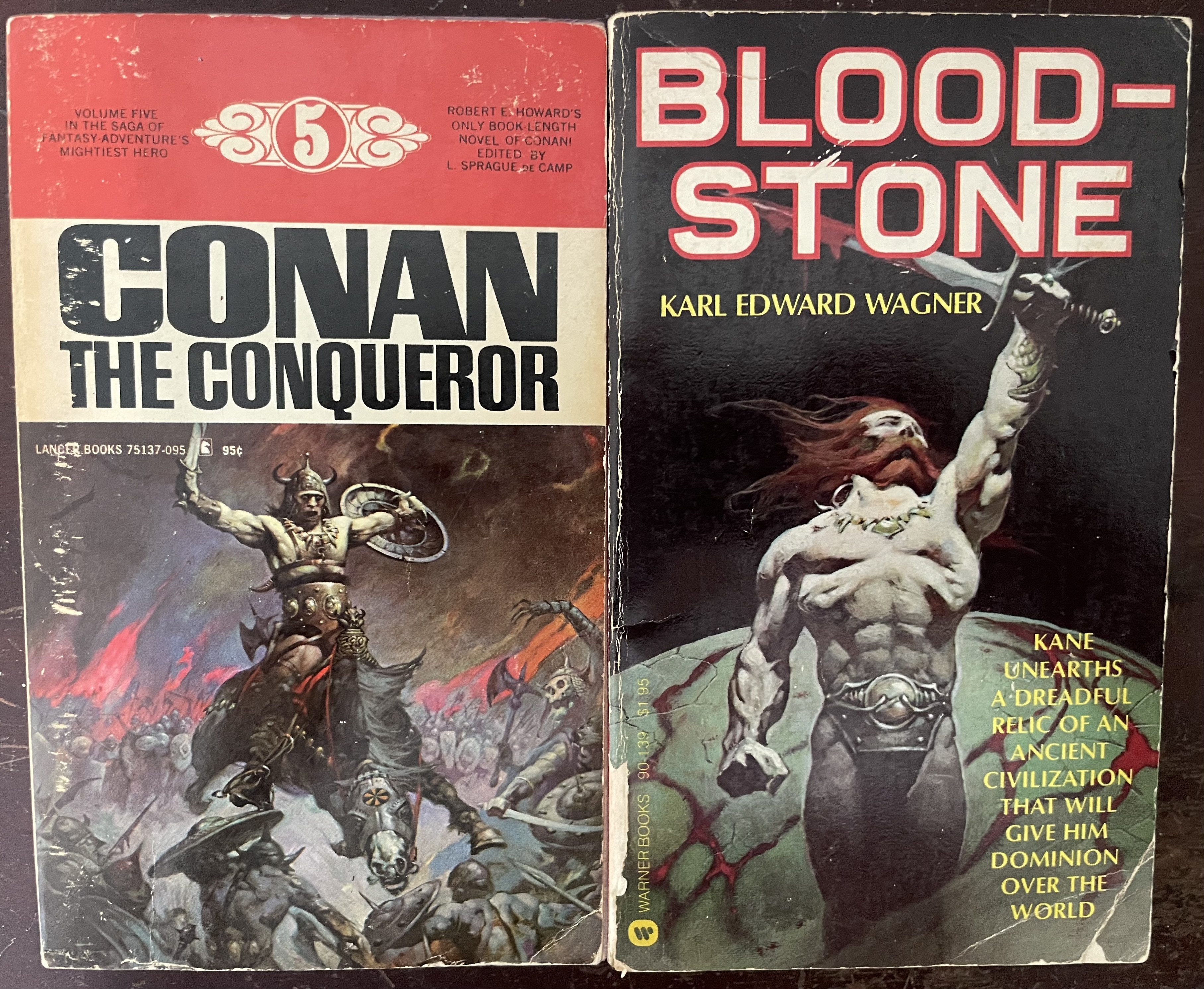
Even though Robert E. Howard wrote the only good/great Conan stories, he also wrote a bunch of Conan clunkers and a couple that kind of… sucked. A common formula for the clunkers was that Conan would rescue a scantily clad lusty female as they trekked through some unknown city or unknown island or something like that. You can read that kind of thing almost anywhere now.
Kane short stories, on the other hand, are anything but formulaic. Yeah, Kane (probably one of the most evil protagonists I’ve ever enjoyed reading about) has usually cooked up some kind of scheme, and almost all of the characters are pricks in some way, but there’s no set formula. I have two favorites, one of which, “Cold Light” from Death Angel’s Shadow, seems like a simple chase story at the beginning where a group of bounty hunters set out to find and kill Kane, but the chase turns out to become so much more, and the end has a couple moral dilemmas that you often don’t find in pulpy fantasy type stuff.
A more untraditional Kane story that breaks any sword & sorcery formula is “The Dark Muse” from Night Winds, which has a heavy emphasis on poetry and the power of finding the perfect word or the perfect phrase in the perfect place and the price that a wordsmith is willing to pay to reach that perfection. You don’t find many literary discussions in sword & sorcery, and “The Dark Muse” still has the action, sorcery, and horror elements that (I believe) the sub-genre requires, so I think this story stands out as well.
I’m pretty sure Thongor has never done any literary analysis of the pre-Ancient verses. Pfft! Thongor.
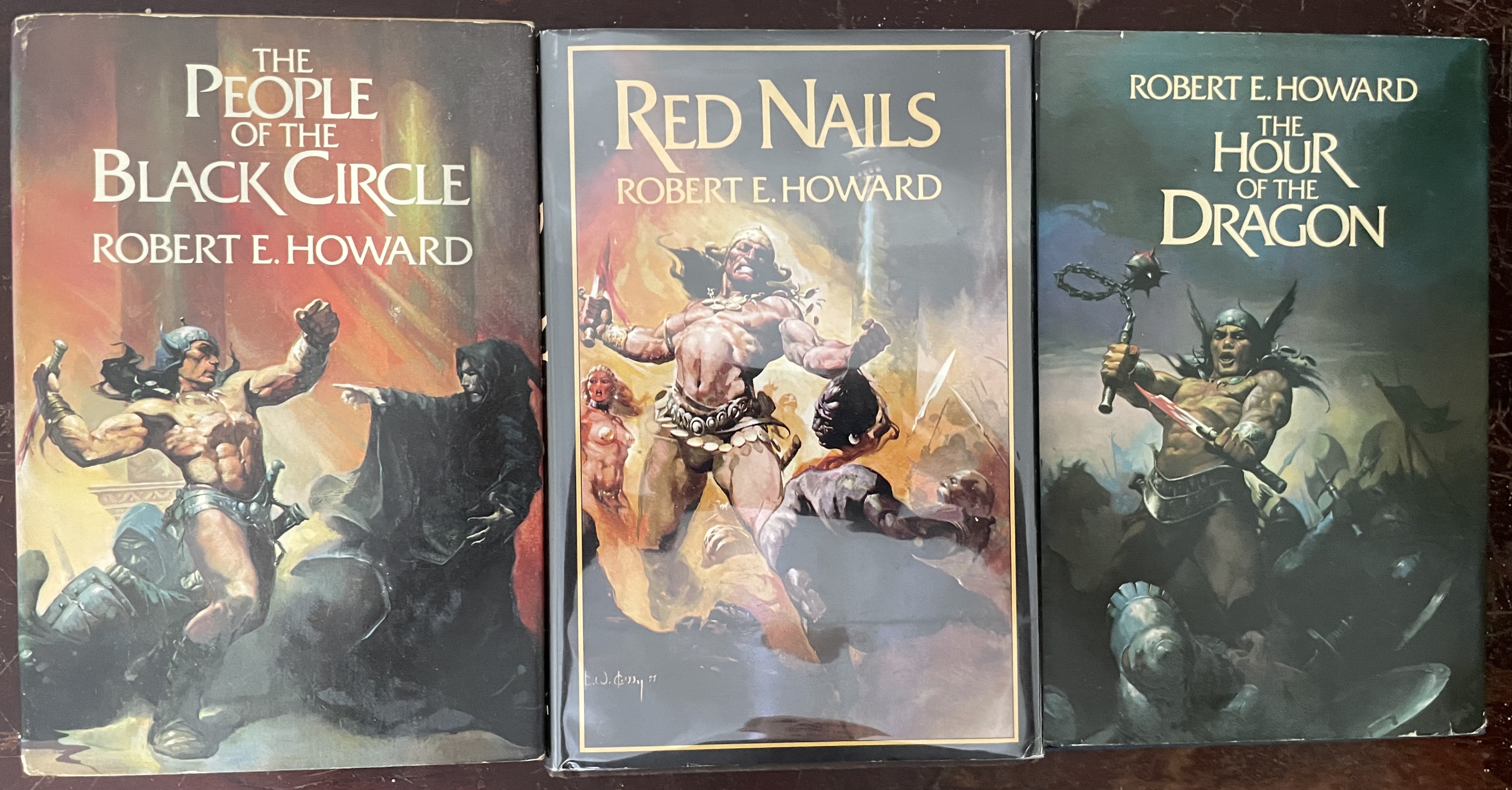
I haven’t read any Kane short stories that outright sucked, but out of the novels, the only one I’ve reread was Bloodstone. I wouldn’t say Darkness Weaves or Dark Crusade suck. They just felt more like rough drafts than finished, polished masterpieces (maybe too strong a word) that Bloodstone and the Kane short stories were.
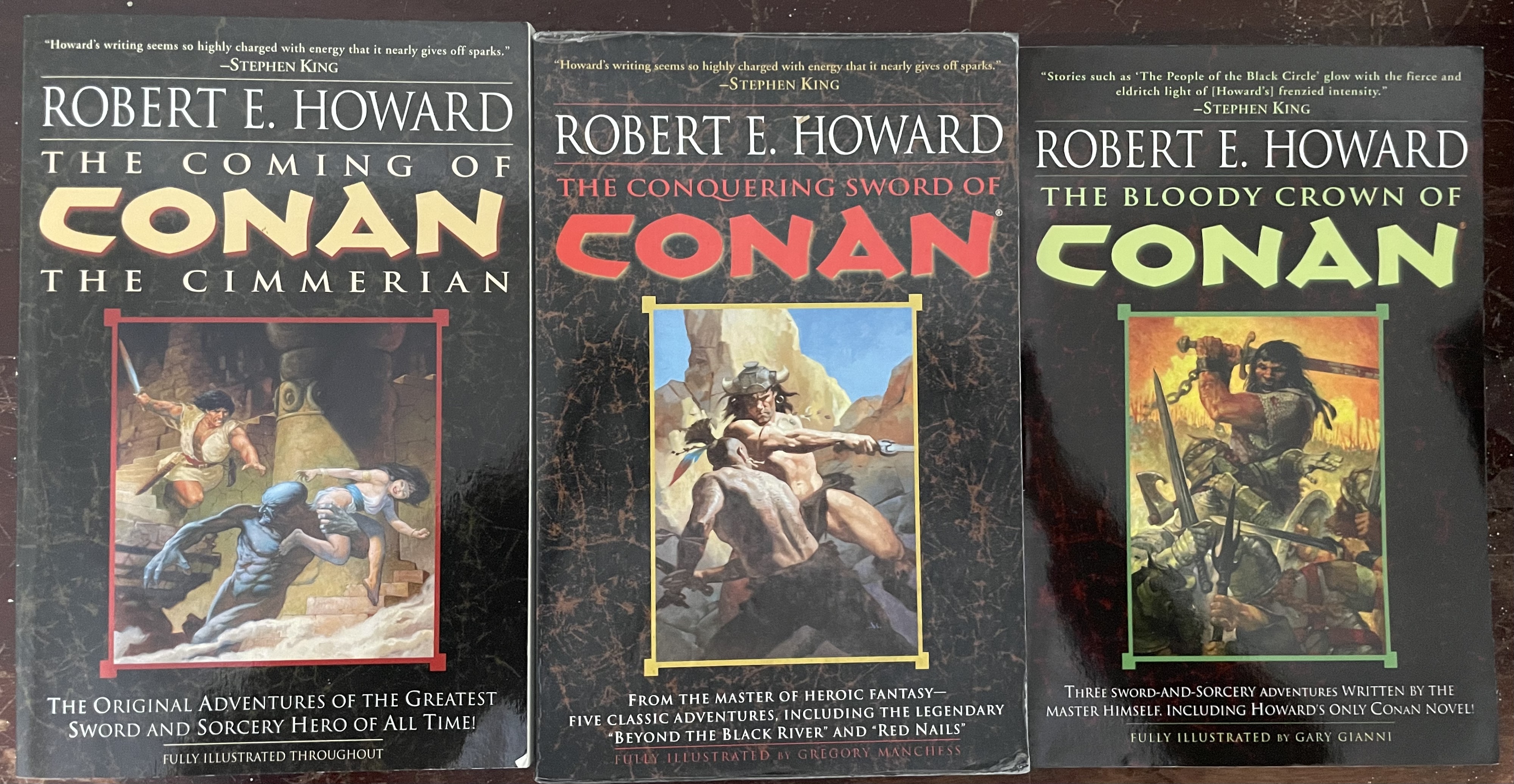
If you want to read the original Conan stories the way they were originally written, you can find them for free as they were presented in the pulp magazine Weird Tales in the 1930s at places like Internet Archive. If you want to read the Kane books without paying too much, you can find digital copies pretty cheap (or maybe even … cough, cough,… free in some places that aren’t Internet Archive). At any rate, with today’s technology, you can find access to these stories even if you have a tough time finding the actual books.
I admit that I can be overly picky about the sword & sorcery stuff that I read. If you like the Conan books that aren’t written by Robert E. Howard, that’s cool. I don’t want to ruin anything that other people enjoy. If you think Thongor is a cool name, that’s cool too. It just gives you more stuff that you’ll enjoy reading, and that’s always good. If you like fantasy but think it can get a little tame sometimes, maybe try some sword & sorcery. And if you just want to read the good stuff, well… it’s tough to go wrong with Conan by Robert E. Howard and Kane by Karl Edward Wagner.
*****
But enough about me and my opinions! What do you think? Who is your favorite sword & sorcery character or author? What other overlooked sub-genres do you enjoy? What other old out-of-prints series or book or genre is worth finding and reading again? Is romantasy as weird as I think it is? Show the world that you made it to the end of this blog post and leave a comment below.
For more about sword & sorcery, see…
What was the deal with…? Bloodstone by Karl Edward Wagner
Robert E. Howard’s Letter to Two Nerds in the 1930s
The Only Real Conan Is The Robert E. Howard Conan!
*****
My ONE and only novel is NOT sword & sorcery. It’s a romantic comedy from an average man’s perspective, but it does make a reference to Robert E. Howard, so… close enough!
*****
A grammar-obsessed English teacher falls in ‘luuuvvv’ but discovers how chaotic and dangerous ‘luuuvvv’ can really be. It’s a romantic comedy from an ‘average’ guy’s point of view!
The Sunset Rises: A 1990s Romantic Comedy is now available on Amazon!
A part of me can’t believe that the 1970s are considered history, but it’s been 50 years, and that’s how it is. When I was in school, 50 years ago was the 1920s and 1930s, even though that was the part of the history textbook that we never reached during the school year (unless you read ahead like I… uh…I mean… like the nerds did). So, yeah, I guess my childhood period is historic now.
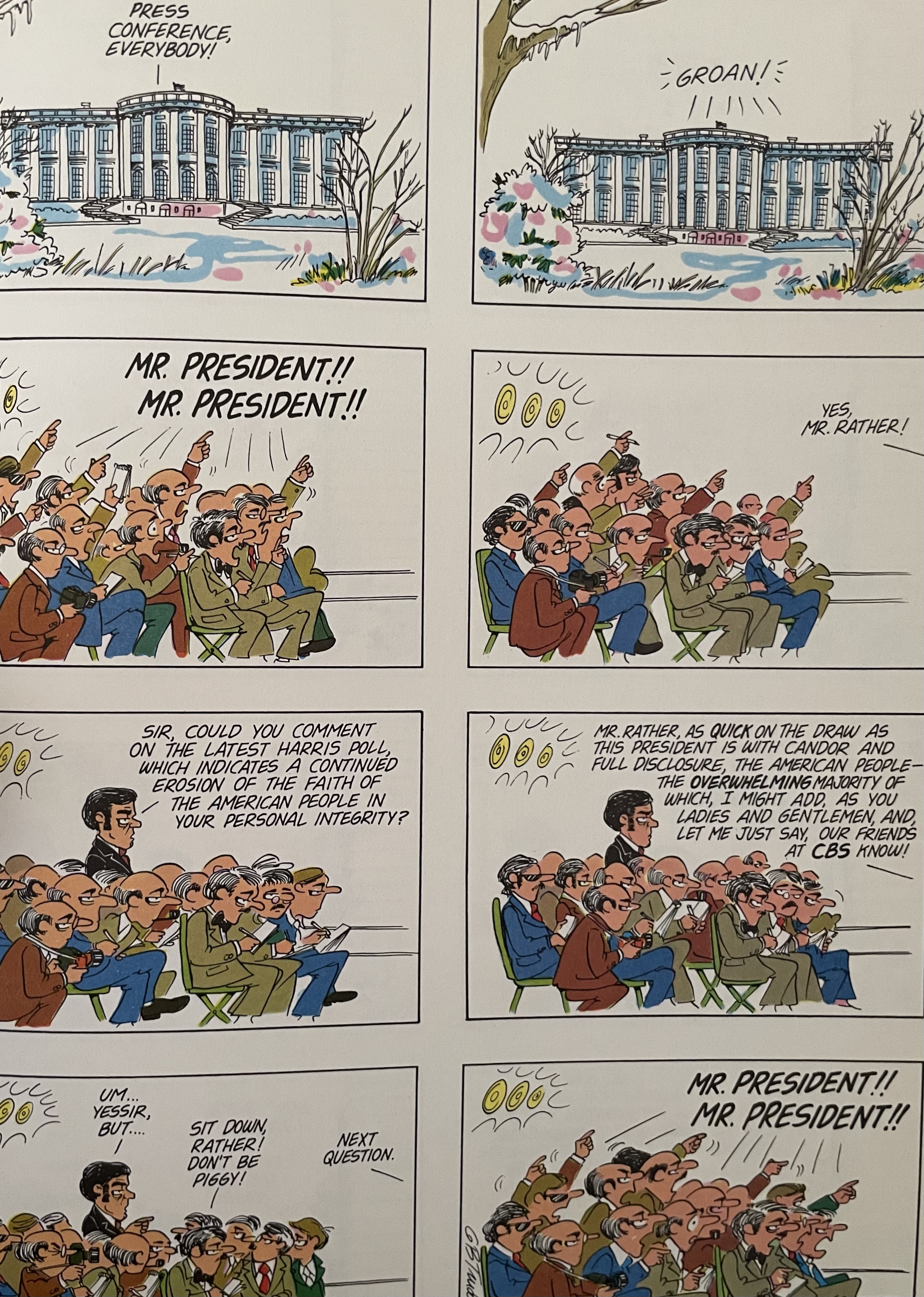
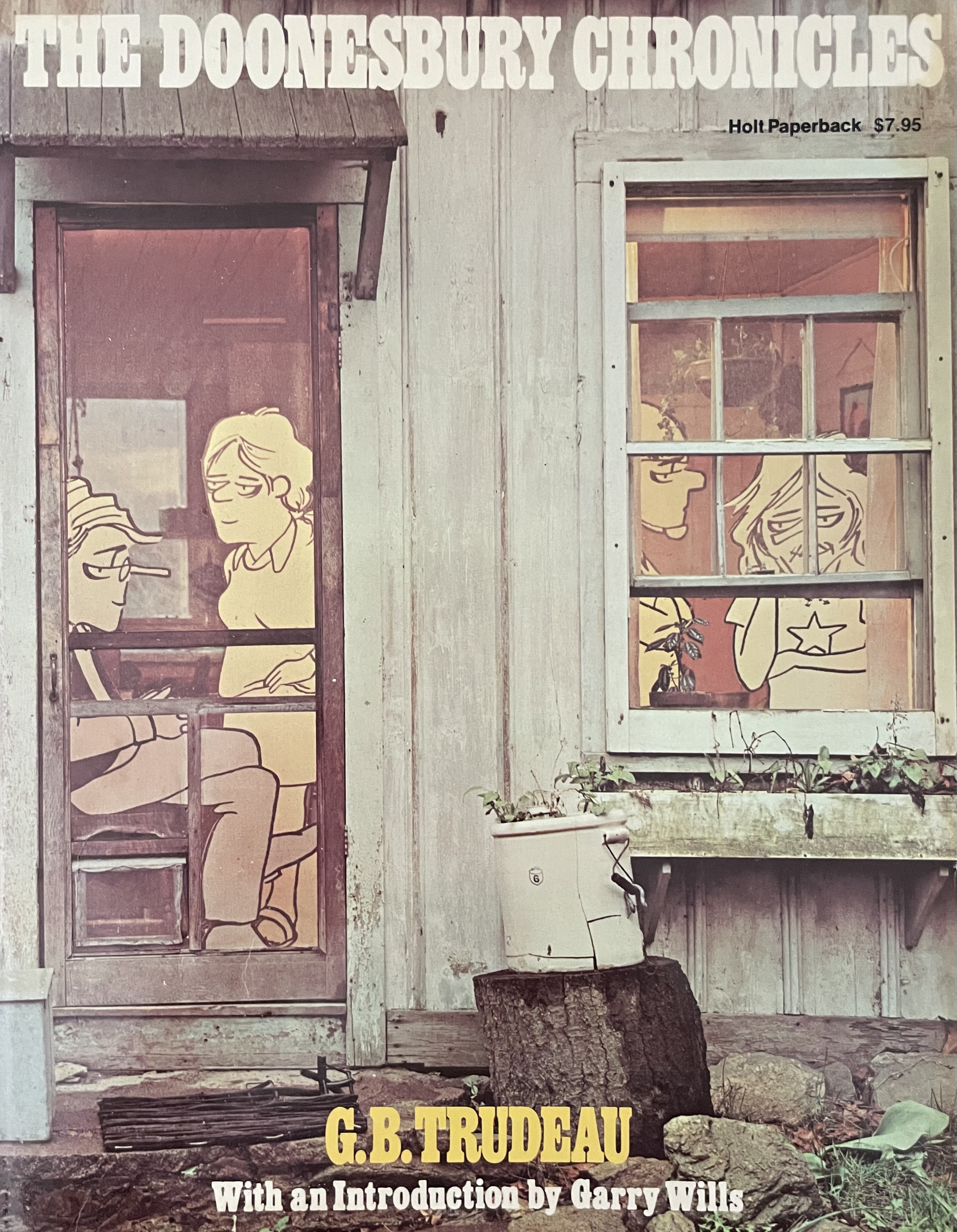
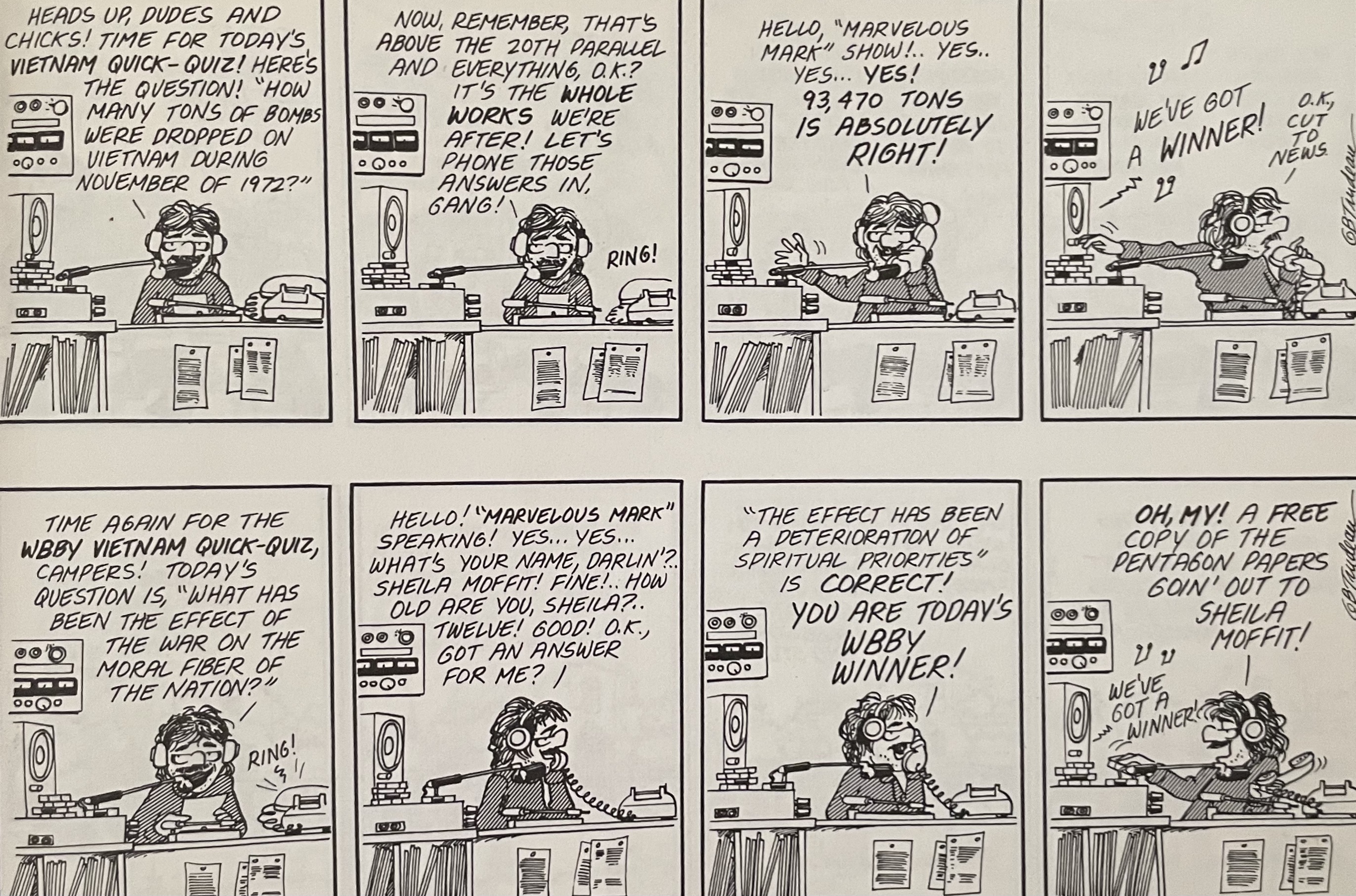
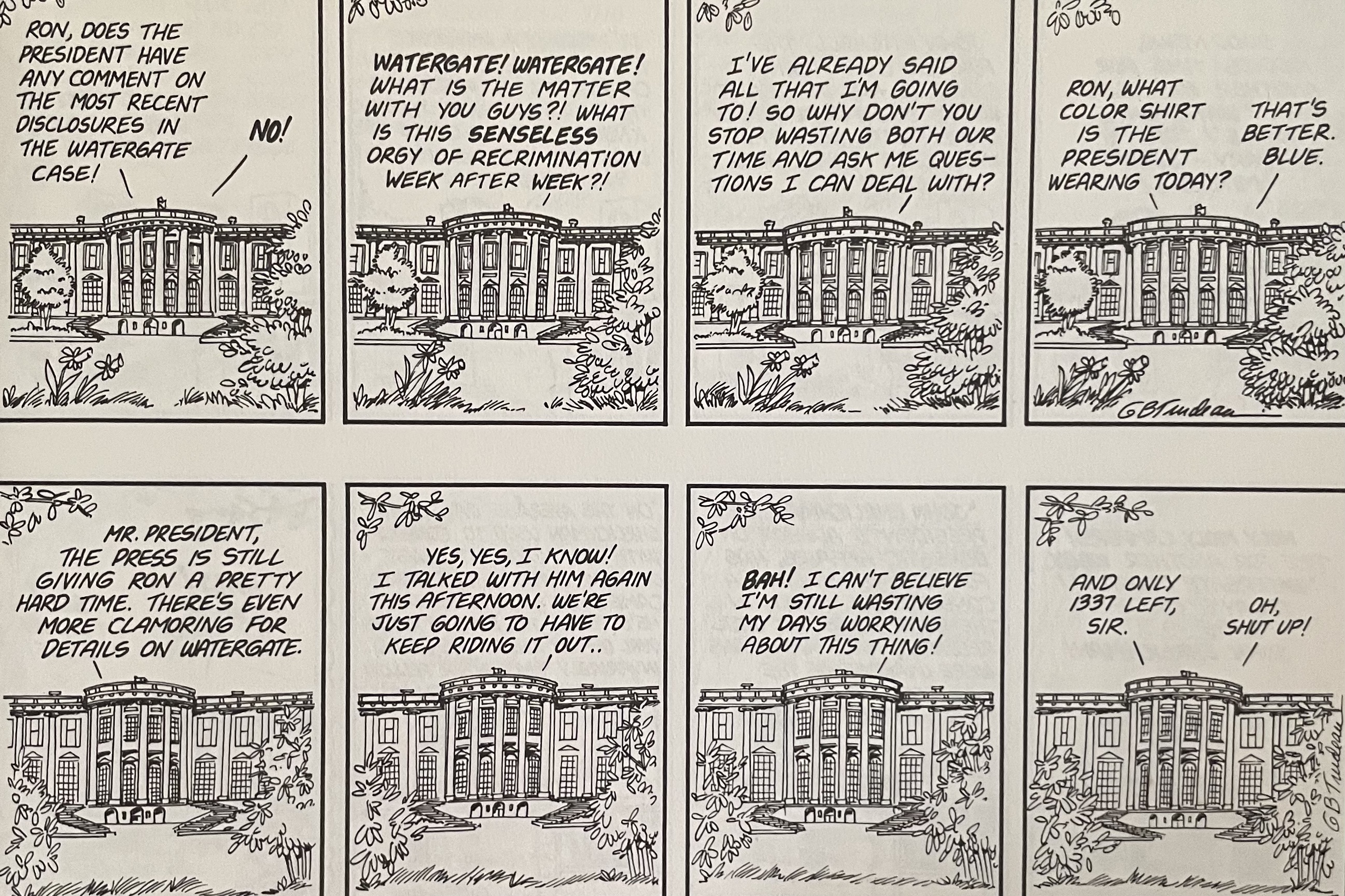
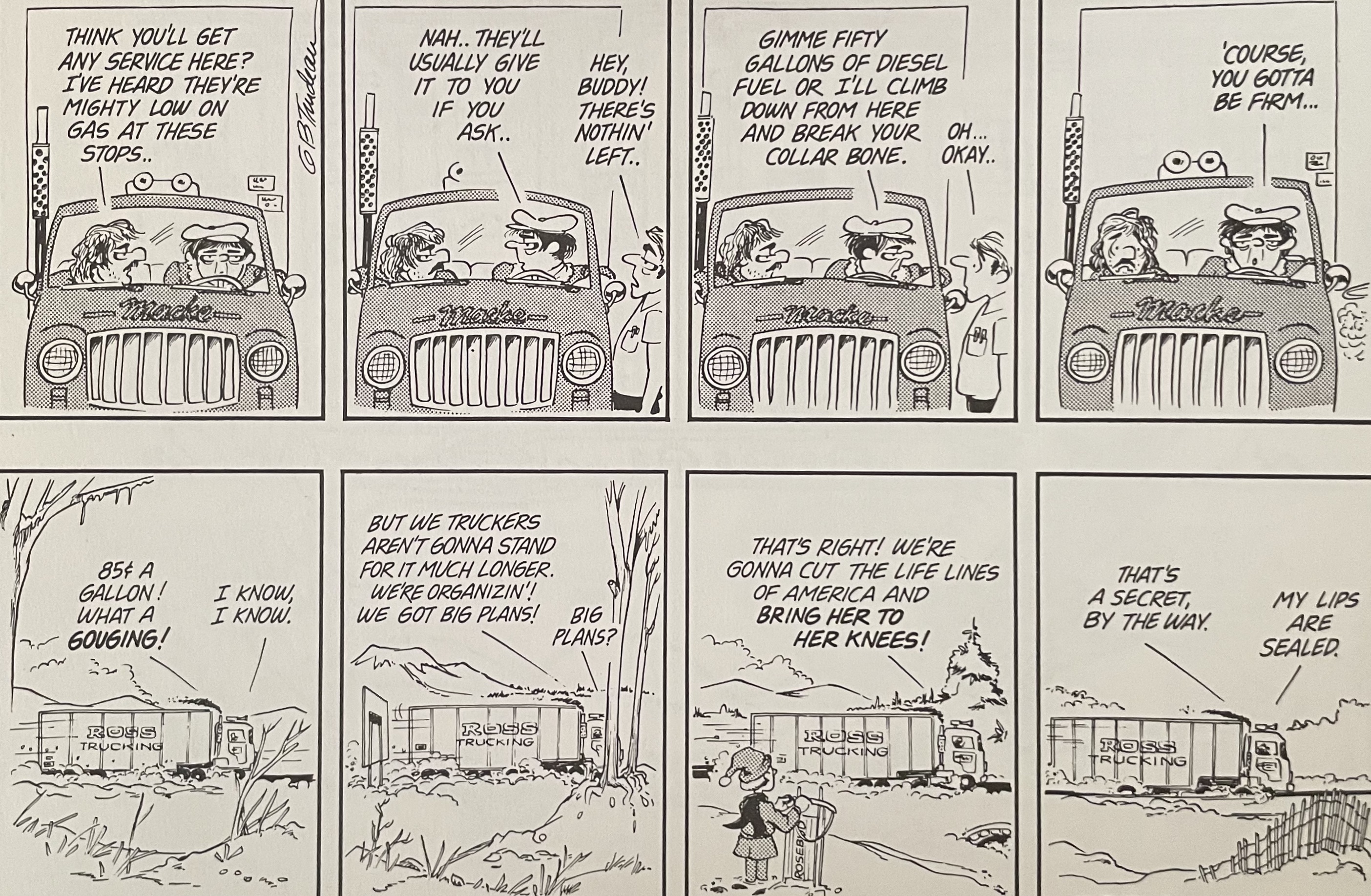
Doonesbury, a comic strip by Gary Trudeau syndicated in the 1970s, started off on the funnies page like every other comic strip but was often so political that many newspapers switched it to their editorial pages instead. Looking back at it now, it’s kind of fun to see how the creator/artist of this daily comic strip portrayed what are now historical events while they happened.
I wasn’t a Doonesbury reader until the 1980s, and the first political sequence that I remember in the Doonesbury newspaper strip at the time was the investigation (or exploration of) President Reagan’s brain. The portrayal wasn’t flattering, of course, and I think that one ticked off a lot of Republican leaning newspapers, but that’s a different issue. The point is that I was in elementary school in the 1970s. I vaguely remember stuff like Watergate, the Vietnam War, and gas lines, but I was a little young to read Doonesbury.
Still, I liked these comic strips a lot when I first read them in a book collection (pictured above) in high school, and with all the crazy stuff going on now, it’s important to remember that this isn’t the first time that crazy stuff has been going on. The 1970s were crazy too, maybe even crazier, but that’s subjective, and I understand if people disagree and think today’s crazier time is worse. Anyway, here are some issues that were portrayed in 1970s Doonesbury.
THE VIETNAM WAR
Some of the early strips might seem a little too flippant or light hearted by today’s standards, but keep in mind that Doonesbury was new and Trudeau was finding his groove. Haha! Groove. That sounds dated.
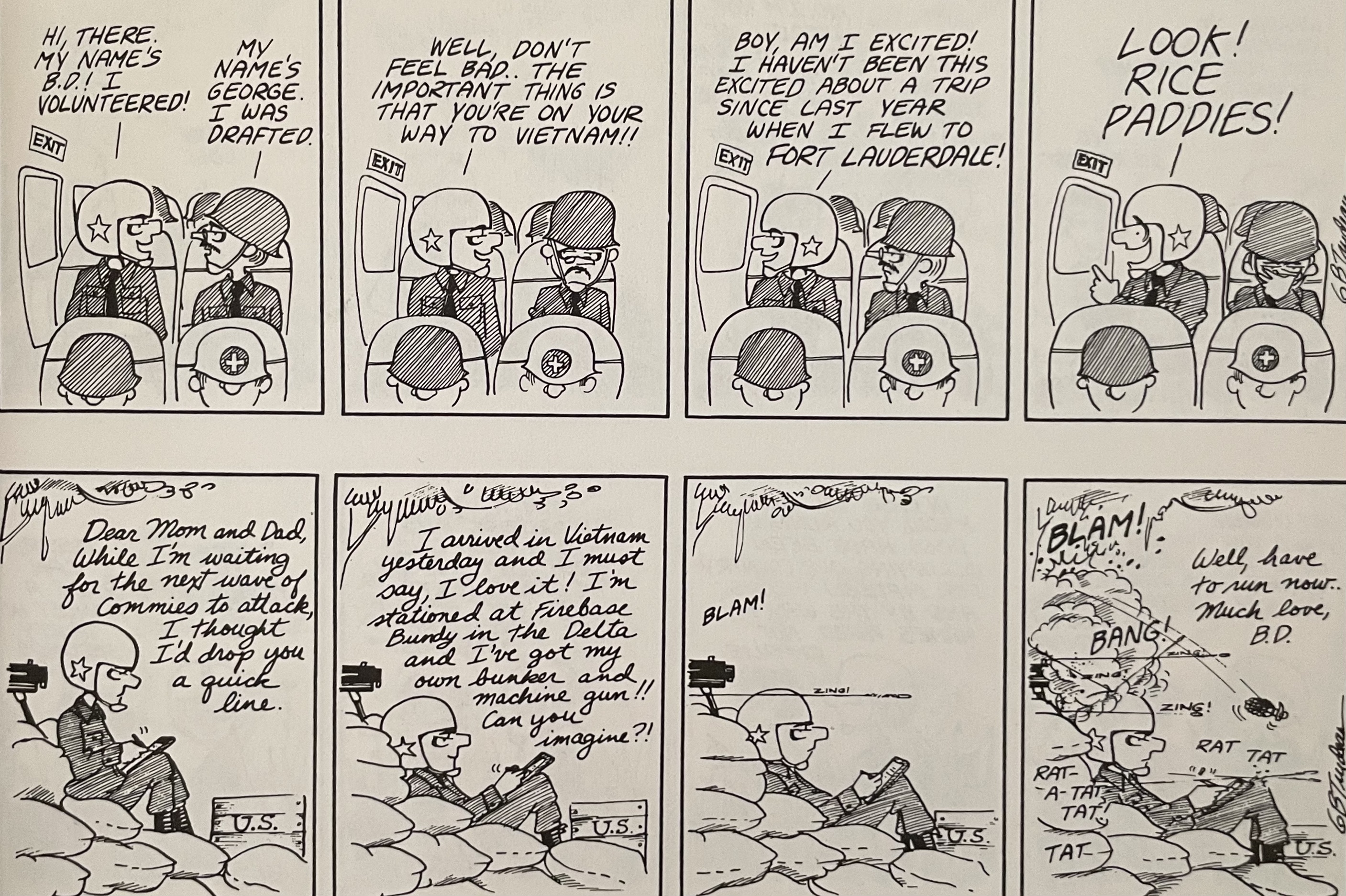
Episodes/strips months later like the pair below are probably more tone appropriate for the subject matter.
WATERGATE
When I was in elementary school, I hated Watergate because the hearings were always on all three television networks in the afternoon and preempted my 3:30 cartoons. I appreciate the significance of Watergate now, but I still blame Nixon for the disruption of my after school cartoons. And I also blame Woodward. And Bernstein. And the Ivy League too while I’m at it.
GAS SHORTAGES
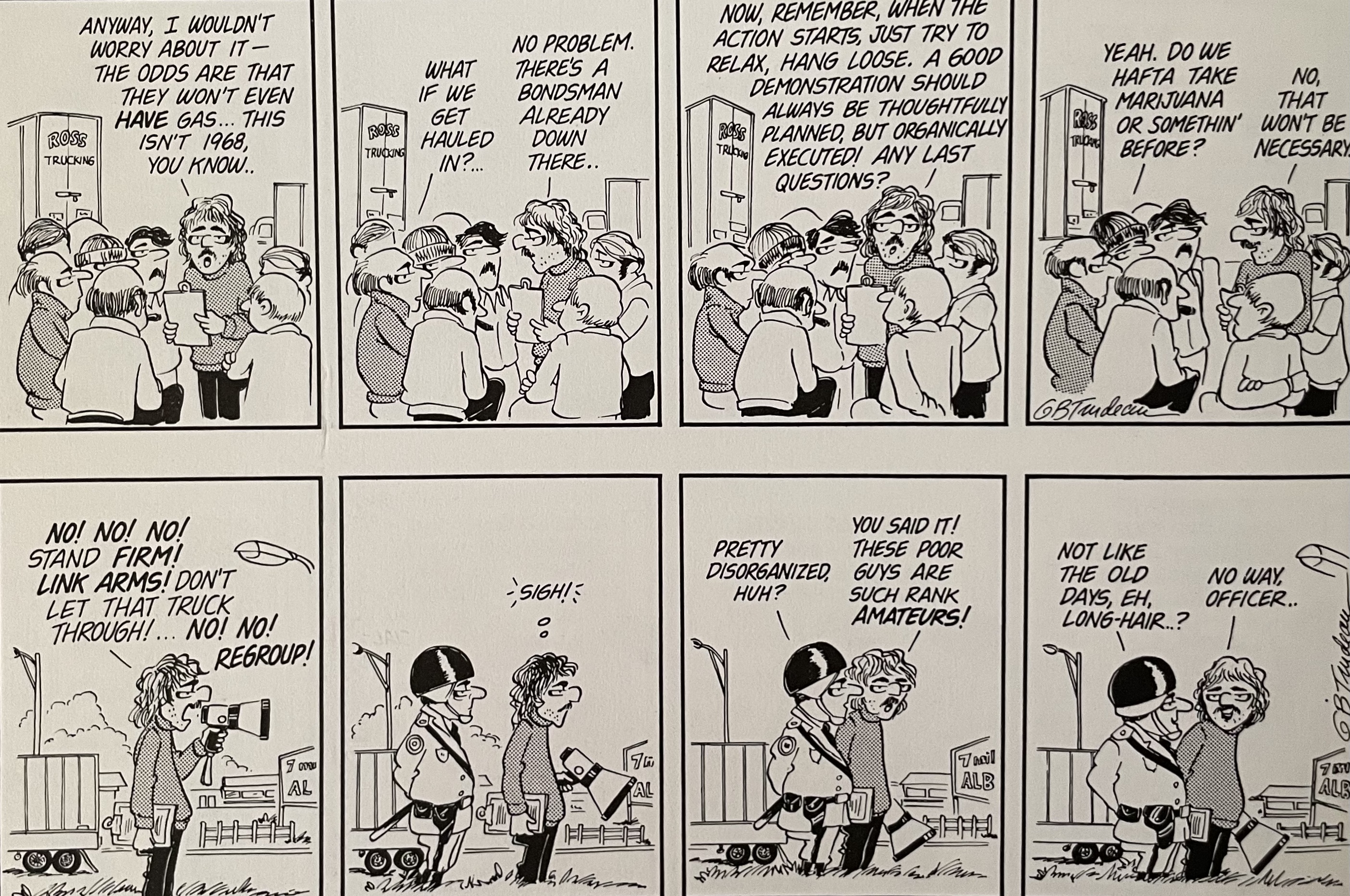
What’s worse than high gas prices? How about high gas prices accompanied by gas shortages. That’s what the ugly 1970s had. I don’t remember gas lines, but I remember my mom complaining about the gas prices. She flipped out when gas hit $1a gallon. $1 a gallon? Back then $1 bought me three comic books and a candy bar every Saturday morning after chores. Today? $4 doesn’t even get me a comic book! What a rip-off!
PROTESTING
There’s a lot of protesting going on today, but that’s nothing new. Protesting was a big thing in the 1960s and early 1970s too, so much that protesters were getting shot in cities and on college campuses, but protests seemed to become less of a thing after the Vietnam War and Watergate (I’m not sure if there were Watergate protests).
I always appreciate orderly protests, but other people think that you need to create a disturbance or disruption to get anything changed. I understand that too, but when I’m stuck in traffic because of a protest and I really have to use the bathroom, I automatically despise the protesters, even when I used to agree with the cause.
NIXON’S RESIGNATION
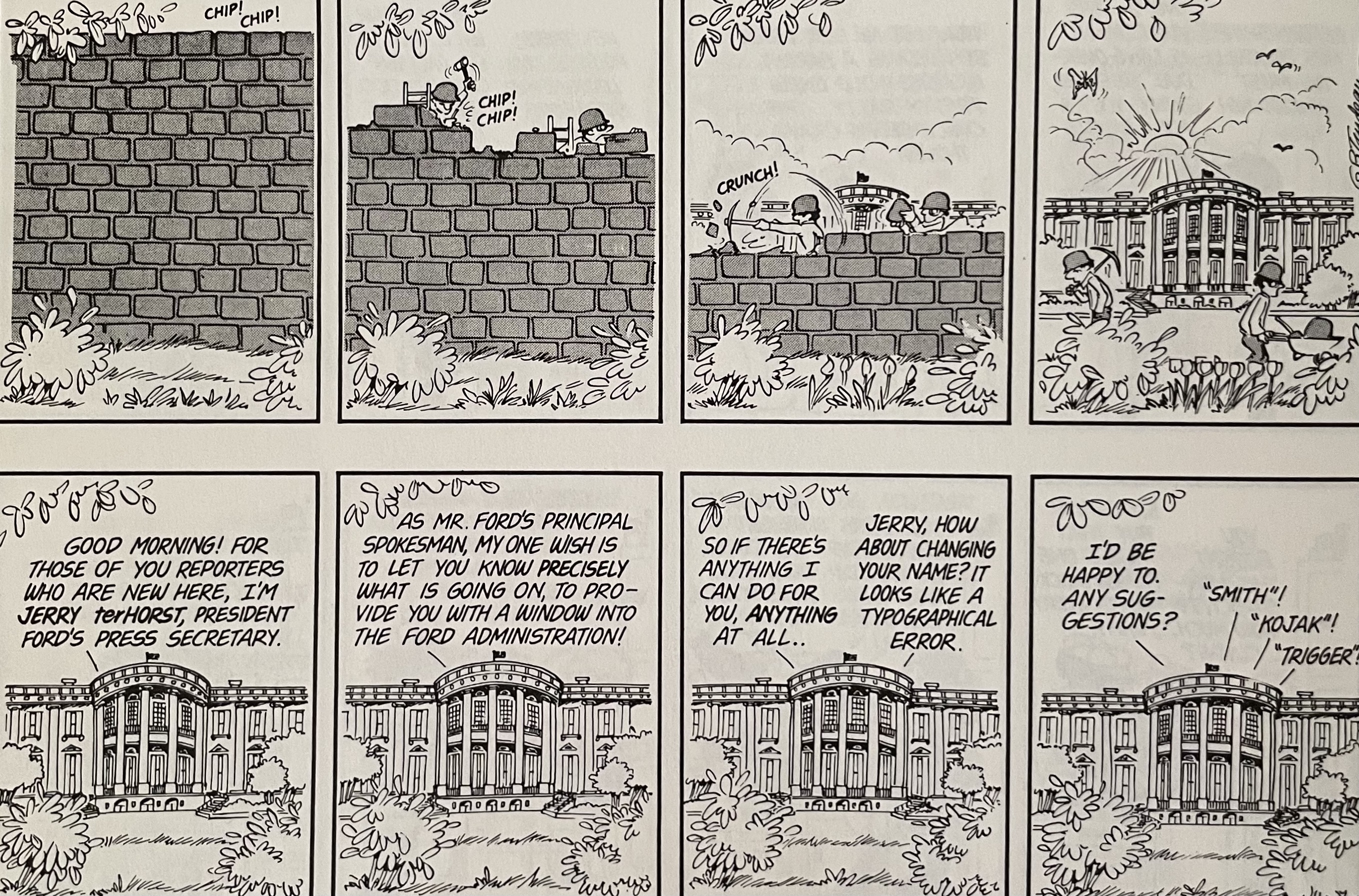
Nixon resigning and leaving office didn’t stick with me because it didn’t preempt my afternoon cartoons. Or maybe I wasn’t watching cartoons anymore. I might have been reading more comic books or been outside riding my bike or even skateboarding for a while.
At any rate, I think that brick wall was metaphorical. I mean, I could see that happening now or during future presidencies, but I don’t think it happened during Nixon’s. I almost didn’t post the strip below. I don’t want to give current (or future) politicians any ideas.
ECONOMICS
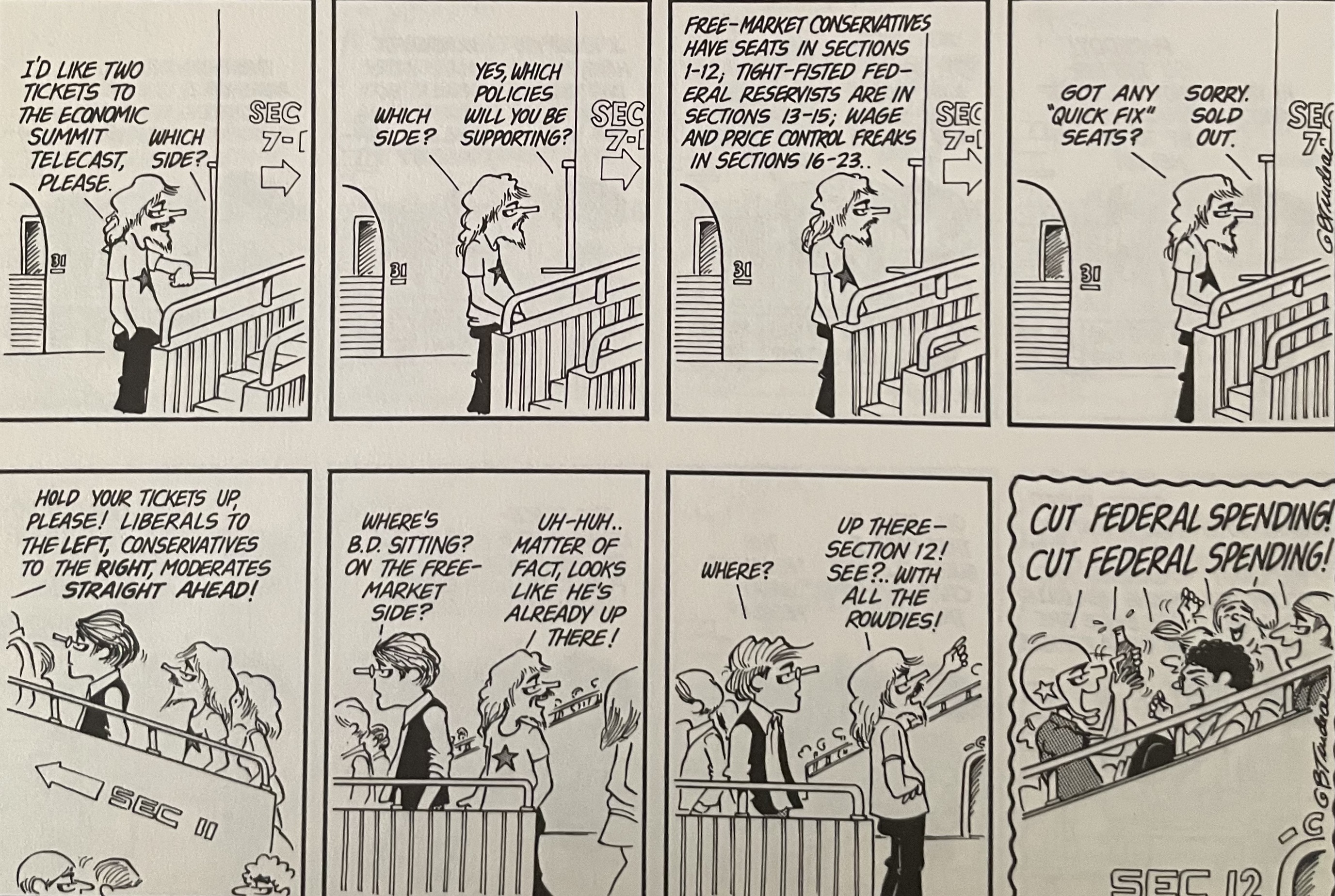
When it comes to economics, nobody really knows what he or she is talking about. Even economists are wrong about stuff all the time. It’s nice to see that back in the 1970s, federal spending was an issue. A lot of people agree that the federal government spends too much money, but then everyone disagrees about how much to cut and where to cut and what to do with the money that’s cut and how you account for the money that’s cut, even though the cut rarely happens.
And in the late 1980s, the U.S. had high inflation AND high interest rates. I think there was something called ‘stagflation’ too. And a ‘national malaise’ that led the public to elect Ronald Reagan. I might see if I can find Doonesbury books for those particular years too.
DISILLUSIONMENT
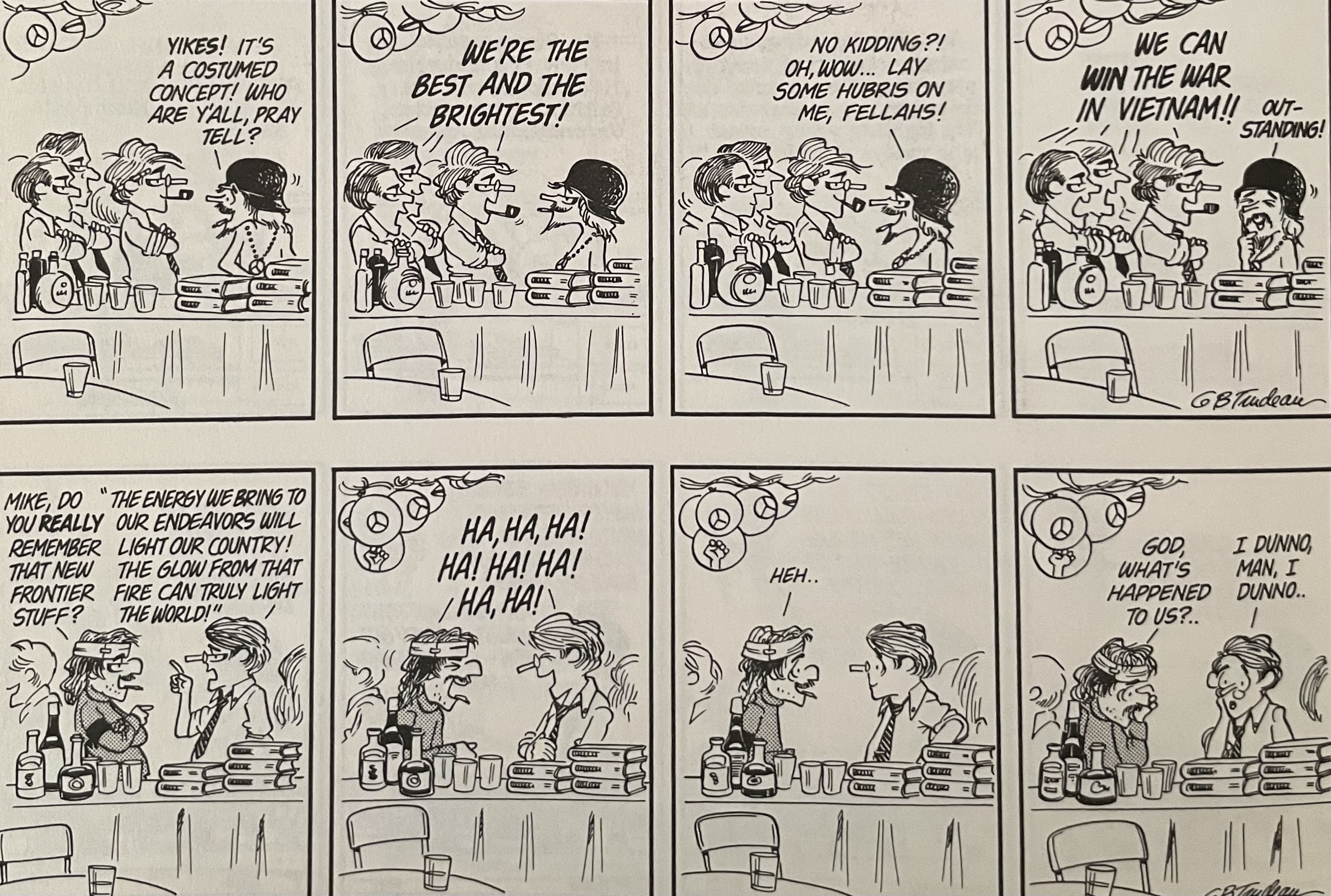
I think the strip below came out only five years after Doonesbury started running, and the characters are already disillusioned. They ask themselves, what happened to them? Haha! That’s what a lot of Gen Zers and Millenials want to know. When you think of yourselves as the best and the brightest, or you’ve been told repeatedly that you’re the best and the brightest, you’re bound to have disappointments along the way.
I’m Generation X (okay, I think identifying people by their generation is stupid, but it’s kind of fun), I was told by society that I was a slacker. That could be why I don’t think I’m that disillusioned now. I had lower expectations. Today, I read my books. I have a blog. I’m fine with it.
*****
Enough about me! What do you think? Are you disillusioned? Do you see the 1970s and 1980s as history? Do you think the times today are crazier than ever, or have the times always been crazy? Should Doonesbury have been on (or should be on) the funnies page or the editorial page? Is identifying people by their generation stupid? Leave a comment below!
*****
For more, see…
The Comic Book/Comic Strip Home Page
Jack Kirby: The True Creator of the Marvel Universe?
Charles M. Schulz, Peanuts, and the Five-Minute Birthday Party
*****
Gary Trudeau created one of the most popular syndicated comic strips of all time. I have a blog and one self-published novel. That’s it. Like I said earlier, I’m fine with it.
A grammar-obsessed English teacher falls in ‘luuuvvv’ but discovers how chaotic and dangerous ‘luuuvvv’ can really be. It’s a romantic comedy from an ‘average’ guy’s point of view!
The Sunset Rises: A 1990s Romantic Comedy is now available on Amazon!
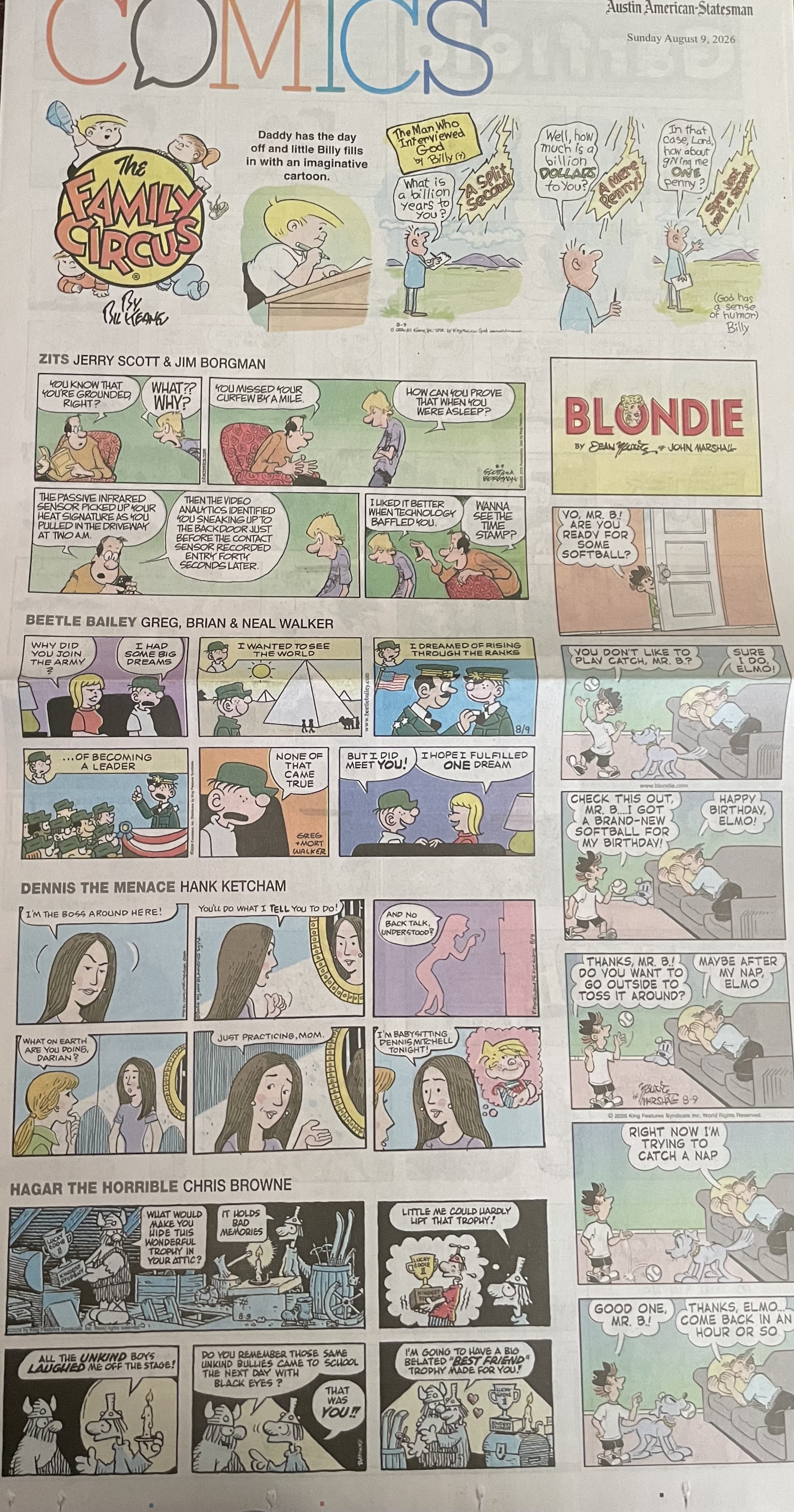
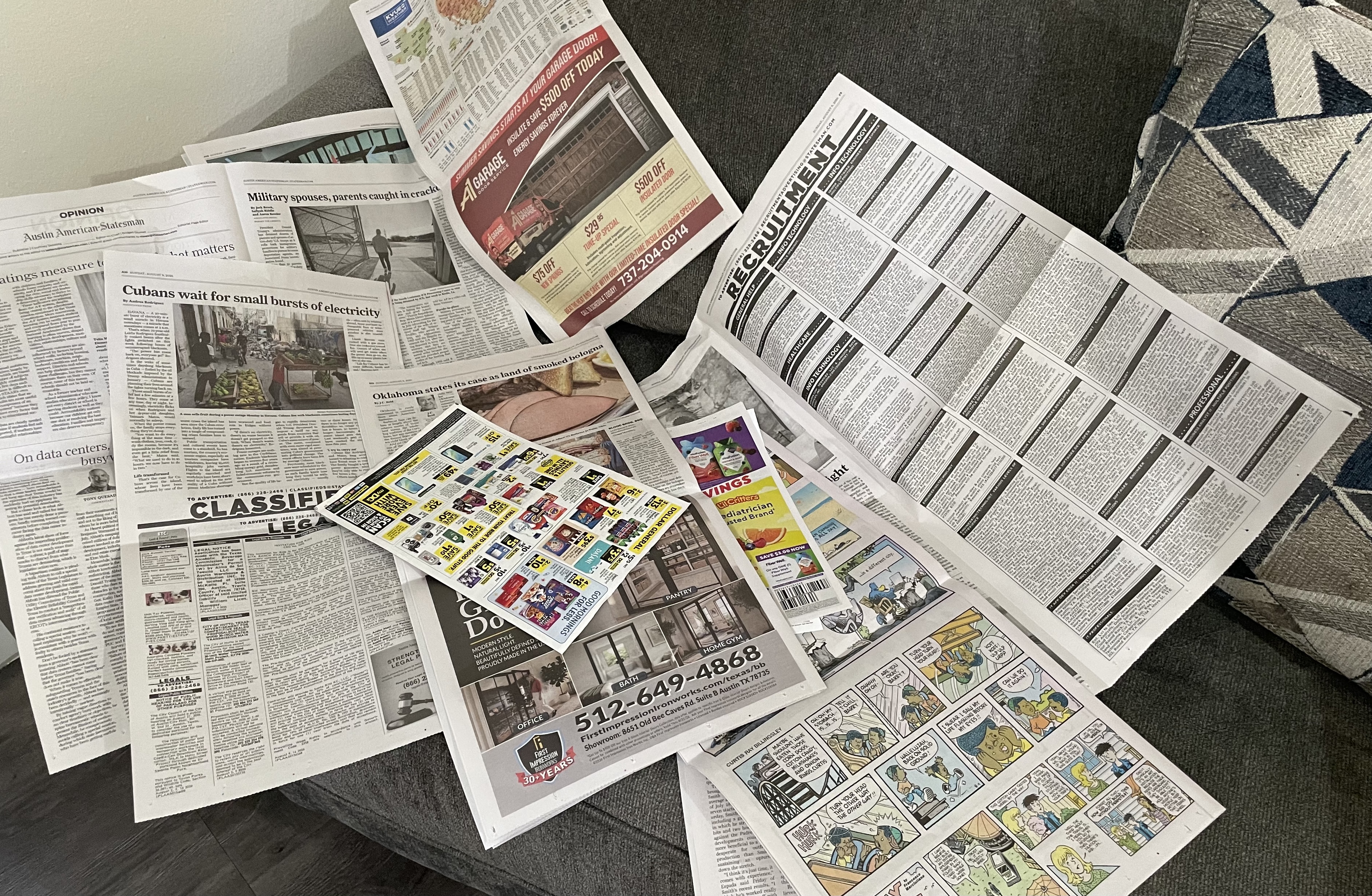
Even though reading might not be dead, the Sunday morning newspaper seems to be. Well, at least the print version seems to be dead.
For years, I’ve been saying that with the internet every day is Sunday. Back in the 1970s, Sunday mornings used to be awesome because of the Sunday morning newspaper, which was thick and had stuff that everybody in my family wanted to see, even though all of us had different interests. I liked the ten-page full-color comics section. My sister would grab the fashion section. My oldest brother liked the sports section, especially during football season and the Sunday paper’s in-depth coverage of Saturday’s college games. My parents avidly read the news, opinion, and business sections. Everybody fought for first dibs on the weekly TV guide insert.
But now with the internet, everyday is Sunday because you can get all of that online any time, and there isn’t any paper mess around the house at the end of the day. Anybody can get much more information and entertainment online than they can from even the thickest, most comprehensive Sunday morning newspaper. Plus, much of the internet is up-to-date while a Sunday newspaper is outdated before it’s even been printed. The internet might require more energy usage, but Sunday newspapers leave a mess of loose long sheets of paper littering the furniture and floors.
If that’s the case, then why even bother reading a Sunday newspaper?
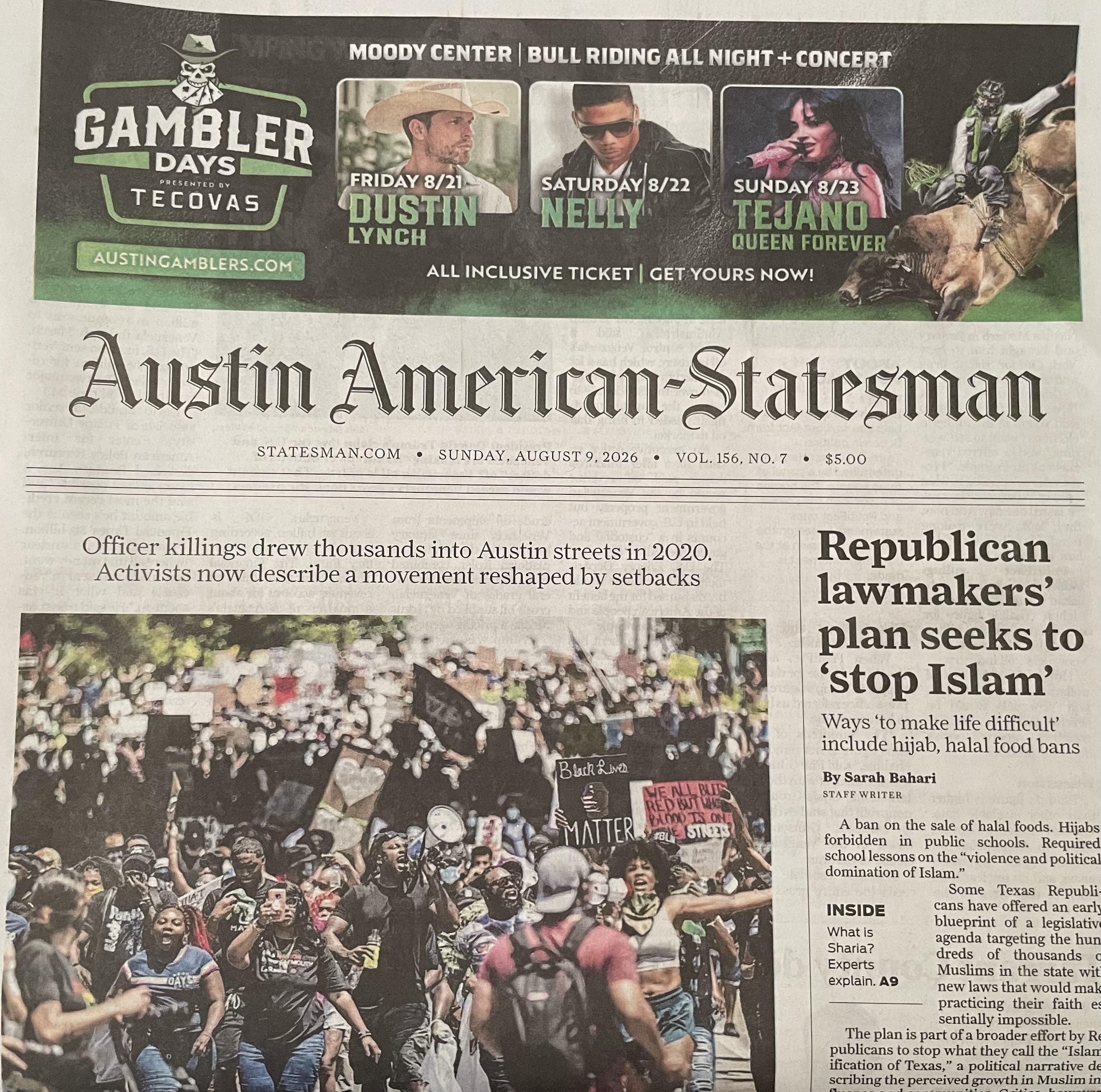
For me, it’s about adding to my internet algorithm. I don’t mind the idea of the algorithm as much as some people do, but I don’t like giving the algorithms too much control. Sometimes they rely too much on my previous history, which means that they give me stuff that I’m already too familiar with. Some algorithms try to force stuff that I don’t want on to me. For example, I despise rage bait, but some platforms sneak it into my feed because it promotes the most engagement amongst the general public (allegedly). I don’t like being manipulated like that.
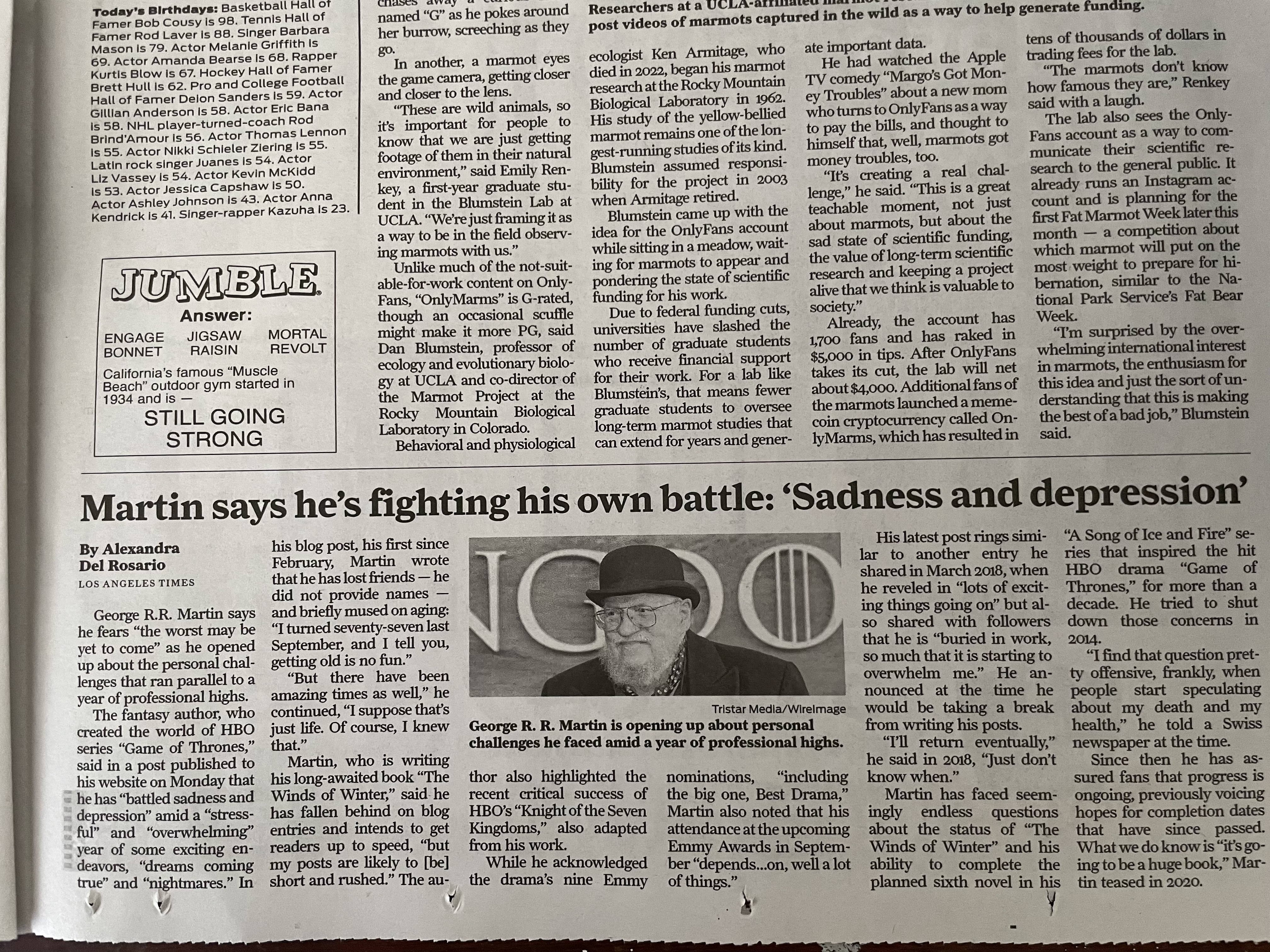
Yes, the topics and information in the Sunday newspaper are curated as well, but some of the subject matter will be new to almost anybody. When something in the Sunday paper interests me, I research the topics online and the algorithms in turn will add these topics to the stuff they recommend. Some social media platforms will even give me rage bait videos of people arguing with each other about these topics. Haha! Rage bait. Always rage bait.
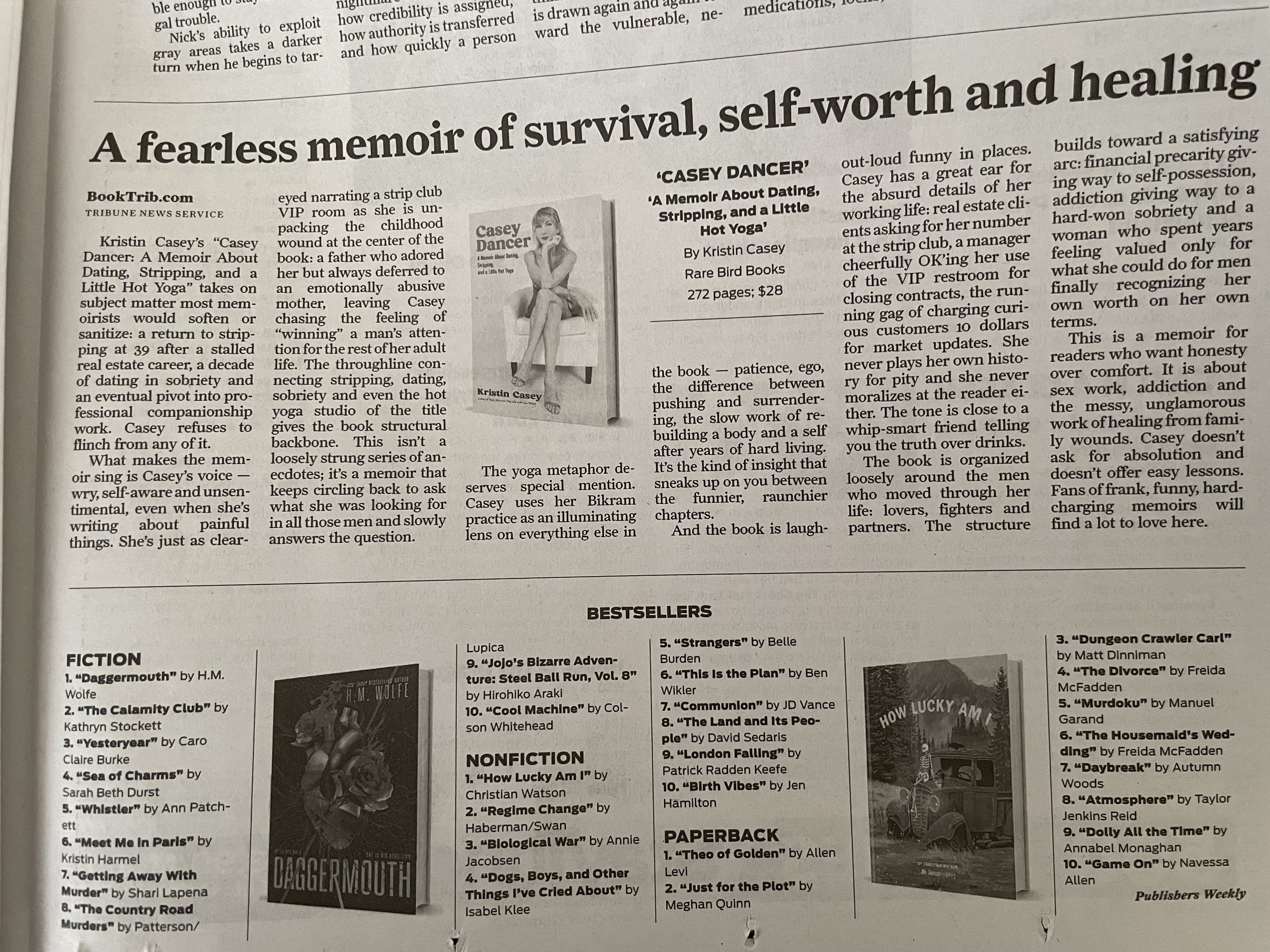
A good Sunday paper covers a wide variety of topics, so it’s bound to have something that you’re not familiar with. Since I live in Texas, my newspaper (I don’t live in the city of this newspaper) is focused on local stuff more than a national paper like USA Today would, but this is the type of paper I read for 30 years when the daily newspaper was a part of the daily routine.

For 15 years, I gently teased my stepdad for still having a daily newspaper delivered to his front porch every morning. I wasn’t mean about it, I hope. Sometimes I’d say stuff like “You’re STILL getting these?” or my favorite “With the internet, everyday is a Sunday newspaper,” but it was a cool feeling every morning to get up late at their house, walk into the living room, and see the morning paper strewn all over the sofas. I’d just get my coffee, sit down wherever I could find a space in the living room, and grab the comic section, the sports section, or whatever section that happened to be available. It’s a great way to start a day.
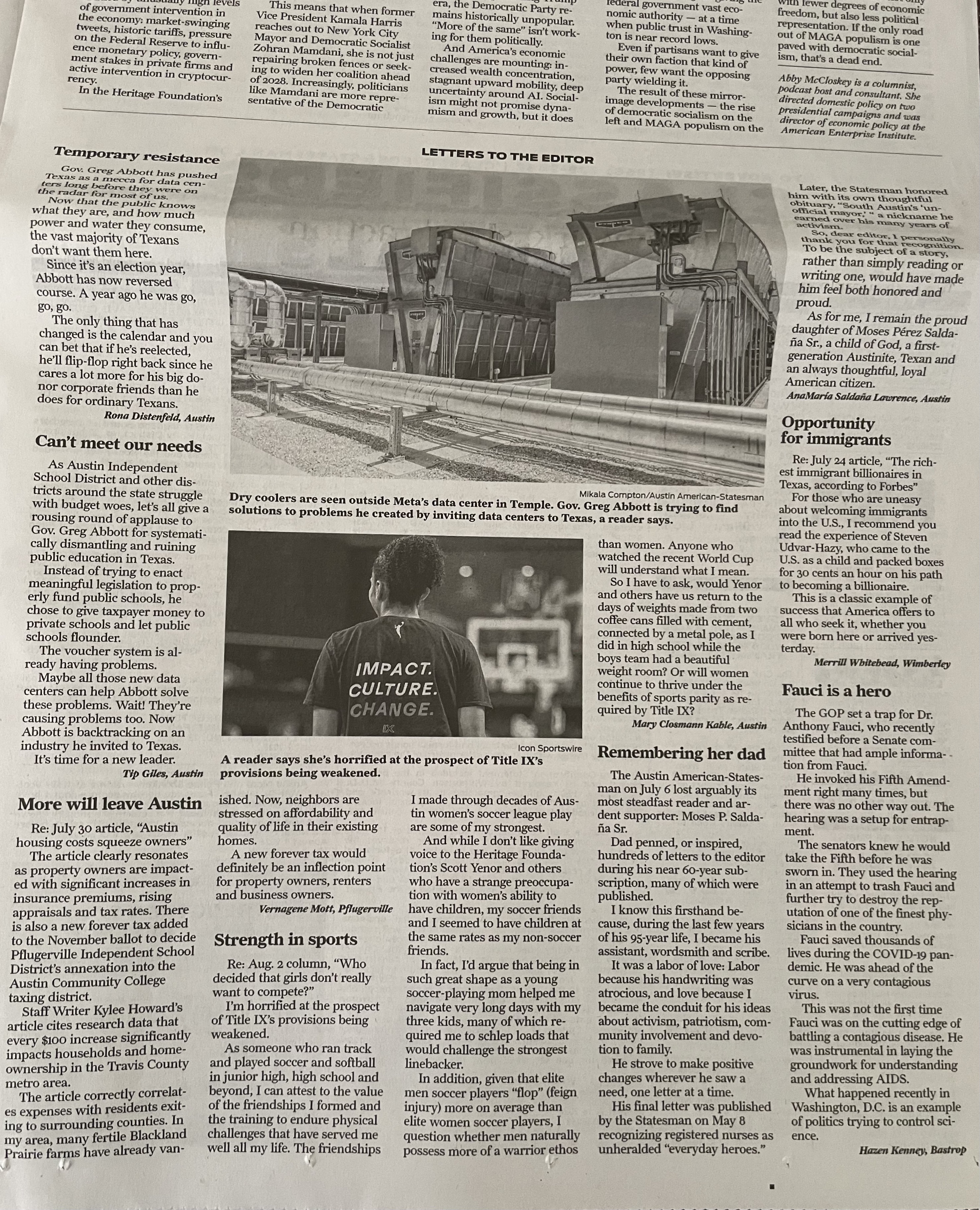
No matter where you go for information, whether it’s online, the library, a bookstore, the newspaper, television, somebody is curating the information or research material that is immediately presented to you. Decades ago (not that many decades either), the newspaper was one of very few sources for news. Now it’s one of the least utilized but still important news sources available. You don’t have to read it every day to get ideas from it. But when your algorithm feels stale or you just need a change of pace, grab a newspaper. And if you want the best newspaper, get a hold of a Sunday newspaper. It’s not as great as it used to be, but it can still be useful and relevant.
*****
Enough about me and my opinions! What do you think? Have you had similar (or even different experiences) with the Sunday newspaper? What are some other ways that you control your online algorithms? What other purposes (besides box packaging filler) does a newspaper serve? Leave a comment below!
*****
Don’t let the national bestsellers lists control your reading habits! Go independent and check out my one and only novel, a romantic comedy written from the male’s point of view.
It’s the oldest story in the world, 1990s style!
Man meets woman; man falls in “luuuvvv” with woman; man gets blindsided by reality!
The Sunset Rises: A 1990s Romantic Comedy is now available on Amazon !