This might not be the best, but it’s at least best-selling.
With the year 2016 coming to an end, the bombardment of “Best of…” lists has begun. It’s the go-to of lazy writing. When in doubt about a possible topic in December, desperate writers can just do a “Best of…” list. These are easy to write, but there are too many out there to actually read them all.
To spare you the effort, here is a group of “Best of…” lists already compiled for 2016. Now that you have the chance to read the lists you’re interested in, you can ignore the rest of the lists that you are certain to run across.
Don’t get me wrong. I know that judging something as “the best” is subjective. When it comes to stuff like “Best Books of the Year,” nobody can truly judge that because everybody’s opinions are different. Plus, nobody has read every book that has come out this year. But that doesn’t stop some of us from coming up with our own lists or from reading them either.
Also, using the word everything in the title “The Best of Everything” is hyperbolic on my part. Of course, I can’t cover the best of “everything.” I can cover the best of a lot of stuff, but the phrase “The Best of A Lot of Stuff” doesn’t sound dramatic enough to use as a title. Readers can usually forgive hyperbole in a title if it’s explained in the article.
So in order to save you a lot of time over the next couple weeks when all the “Best of…” lists come out, here is…
THE BEST OF EVERYTHING-2016
The Best Books of 2016- Publishers Weekly
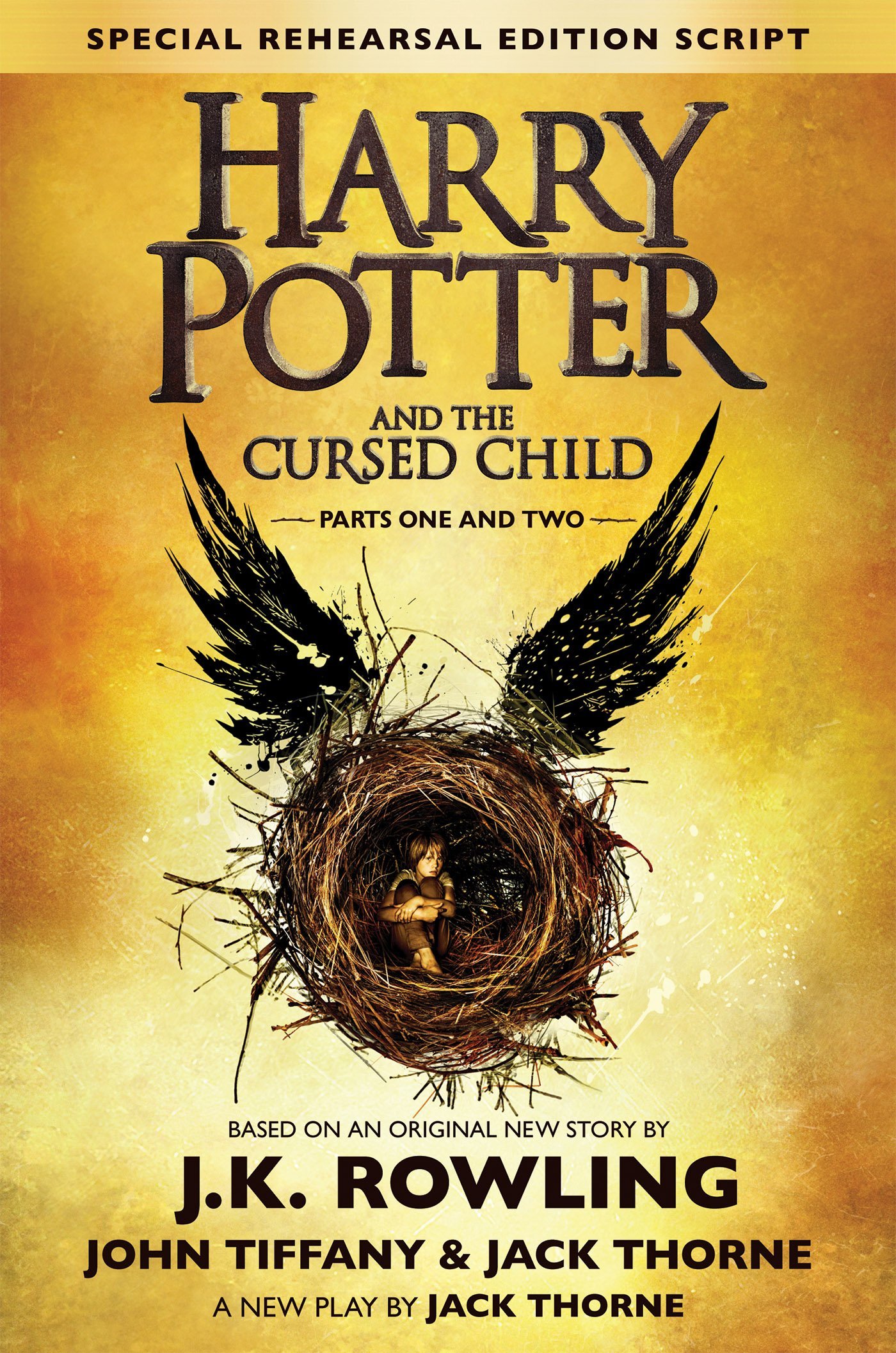
The Best-Selling New Releases of 2016- Amazon
The Best Television Shows of 2016- Variety
The Best Songs of 2016- Rolling Stone Readers Poll
Best Albums of 2016- Billboard
The Best Movies of 2016- NY Times Critics
The Best New YouTube Channels of 2016- Indie Wire
The Best (Most Popular) YouTube Videos of 2016- Buzzfeed
The Best Cars of 2016- Car and Driver
The Best New Tech of 2016- Popular Science
The Best Video Games of 2016- The Guardian
The Best (or Most Googled) Memes of 2016- Time
The Best Fast Food Restaurants of 2016- MSN
The Best (Most Addictive) Websites of 2016-Livewire
The Best (Most Amazing) Scientific Discoveries of 2016- Listverse
The Best (Most Notable) New Words in the Oxford Dictionary- The Telegraph
By the time you’ve read through all of these 2016 “Best of…” lists, you might not be an expert in everything, but you’ll have a layperson’s knowledge about everything. You’ll have just enough knowledge to be dangerous. Even better, you’ll be ready for the Predictions for 2017 lists that will be coming out next.
*****
Just so you know, here is The Best Ebook That I Published in 2016.

(image via wikimedia)
Maybe a rant shouldn’t start with a positive comment, but Amazon Prime is a great name for a service. Everybody should want to be a member of something Prime. Amazon Prime is even a better name than Kindle Unlimited. I mean, Unlimited is a pretty cool word, but in this case “unlimited” is limited to the Kindle, and that’s not truly Unlimited. If I’m part of Amazon Prime, that means I’m Prime on everything on Amazon, not just the kindle.
Everybody who has Amazon Prime wants deals. We get deals on sales, deals on shipping, and we get limited music and video streaming for free. If you use all of the services, Amazon Prime can be worth the money.
If you’re a member of Amazon Prime, you even get a small selection of ebooks to read for free on the Kindle. The only problem is that Amazon’s book selection for Amazon Prime is limited. For one thing, only ebooks are available for free on Amazon Prime. I have no problem with that. It wouldn’t make financial sense to send out actual books for free. That would cost Amazon a lot of money.
Right now, one of the ebooks available is Guns by Stephen King. Are you serious? Out of all the books that Stephen King has written, THAT’S the free ebook? If I remember correctly, Guns was only 99 cents when it came out. Plus, it’s the one book by Stephen King that I really don’t want to read. I’m not a gun advocate, but I don’t like to read what celebrities (or famous authors) have to say about political issues. They don’t care what I think, so I don’t want to listen to them either. If Amazon wants to give us free Stephen King, give us some of the old stuff that’s available cheap anyway. Different Seasons would be awesome for free. The Shining would be pretty cool too.
I understand why Amazon doesn’t want to put its best stuff on Prime, and I wouldn’t expect them to. But every year I think about discontinuing my Amazon Prime. I take advantage of shipping, and videos, and music, but all of those services get offered by other venues now. Amazon is still convenient, but their competition is getting better too.
What I’d like to see are more books by popular authors. If Amazon offered maybe one ebook each from popular authors, I’d read that one book, and maybe be willing to pay for the next one by the same authors. Then again, books take a long time to read. If Amazon gave away too many books, then a reader like me could find a way to never pay for another book again. But I’m paying for Prime, so Amazon would still be getting my money.
I understand that Amazon Prime has to be careful about its free book selection because it can’t compete too much with Kindle Unlimited. If too many books are offered for free on Prime, then Unlimited users might get ticked off and drop that service. I understand that, but still…
How’s that for an argument? “But still…” rarely works, but I keep going back to it.
As far as problems go, limited free book selection on Amazon Prime isn’t the most worrisome. I don’t lose any sleep over it. Amazon prides itself, however, on getting things right for its customers, so it would be nice when I click on Amazon Prime to see a better selection of best-sellers and award-winners and other kinds of books that are in demand.
Even though this is a rant, I’m not trying to insult Amazon. I like Amazon. I’m merely offering a humble suggestion how to improve a service that I already kind of like. I just want Amazon Prime to live up to its name.
*****
I also don’t want to criticize Amazon too much because it’s the only place where you can find my ebook .
Sigh! Not this again!
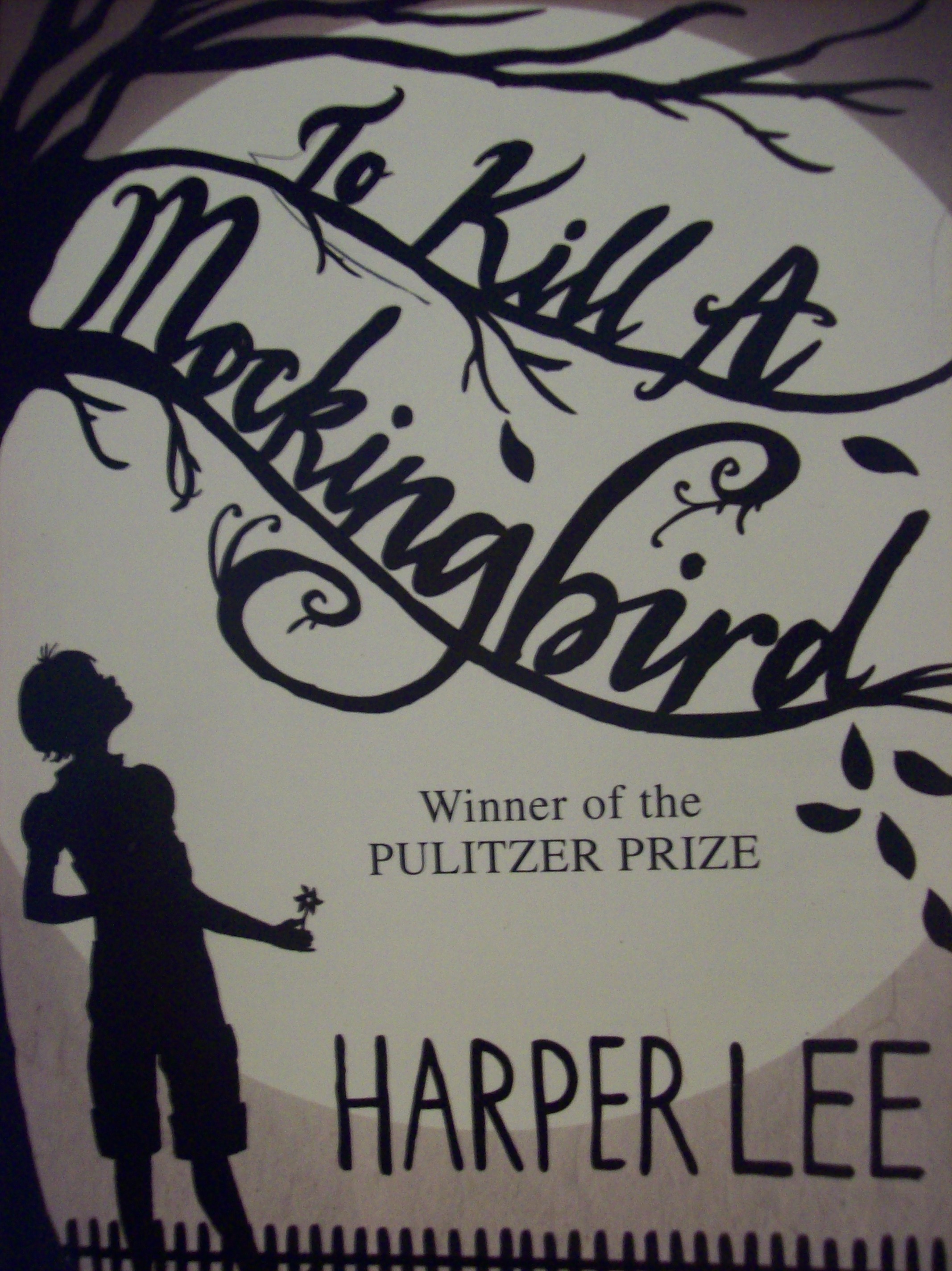
The novels To Kill a Mockingbird by Harper Lee and The Adventures of Huckleberry Finn by Mark Twain just got banned from a public school library again a couple weeks ago. I won’t name the school district which banned the books because I don’t want to pile on. To be fair, the books got unbanned a few days later.
It has to be embarrassing to be the school district that still bans To Kill a Mockingbird and The Adventures of Huckleberry Finn. It’s not like these books are gathering dust anywhere. Everybody knows about the content of these novels, and they’re still cherished American classics.
Even so, this won’t be the last time these novels get banned. I’m not sure when Huck Finn or To Kill a Mockingbird are going to get banned by another school district, but it’s probably going to happen soon.
It was offensive language (the N-word) that got these books taken off the library shelves. I understand, no school wants to get bad publicity for giving students books with N-words in it. In today’s environment, if the wrong person writes or says the N-word, that person gets fired.
It’s tough to be in the crossfire between sensitivity and mockery today. If you’re seen as insensitive and ignore the complaint about N-words in books, you could get fired (or even worse, be forced to attend seminars about sensitivity), but if you respond to the complaint then you can get mocked for being stupid enough to ban To Kill a Mockingbird. Most people need a paycheck, so they choose to get laughed at rather than get fired.
Sometimes a lack of common sense causes problems where none should exist. In this case, the temporary ban was caused by a policy that said one complaint about a book was enough to warrant removal and an investigation. Maybe this policy is needed for some of today’s YA fiction, but every librarian should know about To Kill a Mockingbird or The Adventures of Huckleberry Finn. Any librarian should greet a complaint about one of these books with an eye roll and an insincere, “We’ll look into it.”
A possible solution would be to publish a version of these classic novels without the N-word. In the case of To Kill a Mockingbird, you’d have to clear it with the estate (and the estate probably wouldn’t agree), but Huckleberry Finn is public domain, so we can do what we want and Mark Twain (and any of his money-grubbing relatives) can’t do a thing about it.
All a publisher has to do is replace the N-word with the phrase “heckuva guy,” and the sensitive reader would no longer be offended. Nobody gets offended by somebody who’s a “heckuva guy.” And even though using “heckuva guy” instead of the N-word changes the meaning of the novels a little bit, it might be worth it if more readers become more comfortable with these classics.
If publishers do this, school libraries all over the United States could have sanitized copies of To Kill a Mockingbird and The Adventures of Huckleberry Finn to entertain and enlighten even the most sensitive of readers and their parents.
I’m not a fan of banning books, but if you do, at least pick something original. Here are a few books that I think should get banned. I’m not saying these books absolutely should get banned. I just mean that sometimes on a slow news day you might want to ban a few books just to get the juices flowing, so if you do, here are a few books that haven’t been banned before (or at least haven’t made the news for getting banned).
*****
Despite lots of profanity, my ebook has never been banned from a school library.
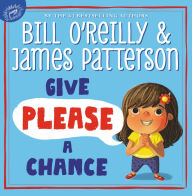
Every celebrity seems to want to write a children’s book. I don’t get the fascination celebrities have with children’s books. Then again, I’m not a celebrity. But now FOX News host Bill O’Reilly (with some unknown coauthor named James Patterson) has written a children’s book called Give Please A Chance.
I don’t like it when celebrities get book deals, and it’s even worse when they write children’s books, but those are different issues, and celebrity children’s books are going to happen no matter what I say, so I don’t lose any sleep over it.
And I have nothing against Bill O’Reilly. I watch his show about as much as I watch any other cable news show when I’m in the mood for politics. I don’t mind how he argues with his guests, no matter who they are. I’d rather watch a confrontational political interview than a softball interview. But whenever I think of Bill O’Reilly (and I don’t think of him very often. He probably doesn’t think about me much either), I think of his famous meltdown .
And he’s just published a children’s books about manners.
The title itself is rant-worthy. Give Please a Chance is a play on words from John Lennon’s song, “Give Peace a Chance.” As a former child in a military household, I was taught that the idea of giving peace a chance just for the sake of peace was dangerous. Peace was what happened after you destroyed your enemies (or what happened if your enemies knew they’d be destroyed if they messed with you).
You couldn’t just wish for peace, I was taught. For peace to work out, everybody had to want peace, and when it comes to world politics, there’s always some violent schmuck who wants to mess things up. Pretending that the violent schmucks are just misunderstood scoundrels who deep down have good intentions almost always leads to one-sided violence (and little peace).
In other words, when it comes to the phrase “Give peace a chance,” I’m a little biased. That’s why I don’t like the title Give Please a Chance.
I’m sure the content of the book isn’t that great either. I don’t know this for sure because I haven’t read the book, but that won’t stop me from having an opinion about it. I don’t like the title, and I don’t like the idea of Bill O’Reilly writing a children’s book, so everything else about it probably isn’t good either. But I’m pretty sure (without even reading it) that Give Please a Chance is a message book.
Even when I was a kid, I didn’t like message books. If you’re going to put a message in a children’s book, make it subtle. And if it’s not subtle, then make it so cool that nobody will care if it’s not subtle. Oh, The Places You’ll Go by Dr. Seuss isn’t the most subtle of message books, but the rhymes and the pictures are so awesome that nobody cares. That’s why Oh, the Places You’ll Go is still a best-seller. 50 years from now, we’ll see (or maybe somebody else will see) if Give Please a Chance is still selling.
I’m not sure who O’Reilly’s coauthor James Patterson is. In all my years as a writer for Dysfunctional Literacy, I’ve never heard of James… cough… Patterson. I’ve never written about James… cough… Patterson. I’ve never told jokes about James Patterson. I don’t like it when no-name coauthors get credit for writing a best seller just because they attached their names to a celebrity author. Maybe James Patterson should write his own books.
In case you haven’t figured it out, there’s no way that I’m giving Give Please a Chance a chance. And I’m a polite guy too.
*****
Since I’m a polite guy, I’m probably more qualified than Bill O’Reilly to write a a book about manners and etiquette.

Nobody knew that a raunchy college sex comedy could take place in a University Library.(image via wikimedia)
Students weren’t supposed to sleep in the University Library, but it happened a lot anyway. If somebody on the library staff noticed us in a deep slumber or heard us snoring too loudly, they would wake us up, but if we looked like we were just dozing off while making a good effort to study, they’d leave us alone.
I was studying/sleeping at a square table in an open study room area in the University Library on a weeknight because my roommate Kirk had called from a frat party and told me he was coming back, which meant he was bringing a drunk girl into the room to spend the night with. It was probably about 11:00 that night, which meant I’d be getting sleepy soon and I’d have to find an isolated location to doze off for a while. There were a bunch of out-of-the-way spots where I could sleep for a few hours without being disturbed (I’ll get to that another time), but I was still trying to concentrate on reading and taking notes when I noticed an unfamiliar girl seat herself in the chair next to me and lean toward me.
“You don’t remember me?” she said.
She looked familiar, but she had startled me, and I couldn’t fit the mental pieces. Her hair was flat and went only down to her ears. I wasn’t wild about women with short hair, and she had a couple features that I didn’t find attractive, but I have a couple features women don’t find attractive too, so I don’t want to seem judgmental.
To make things worse, I wasn’t in the mood for a conversation, and the study room was still crowded and quiet, which meant that nobody else would appreciate our small talk either. I didn’t want to get dirty looks from other students trying to study.
The girl pulled her hair up from her forehead. “I usually have a spike.” She dropped her hair. “The elevator?” She laughed at my bad memory. “Your roommate slept with my roommate and never called her back.”
“That was you?” I said.
“I’m going incognito tonight.”
I would have said I liked her without her hair spiked, but the spike made her features more appealing, so I said:
“It worked.”
Normally, I’d kick myself for saying something rude and stupid, but it was late, and I was tired, and I didn’t feel like putting the effort into talking to a strange female whom I wasn’t interested in. If she’d been cute (I know, I know, I didn’t have room to talk), maybe things would have been different.
“I just wanted to tell you that my roommate isn’t really like that. She doesn’t sleep around. And she doesn’t call guys assholes in public.”
I hadn’t given much thought to the elevator rage incident since it had happened. Then I remembered what this girl looked like with her spiked hair.
“You look like the type,” I said.
“To sleep around?”
“No, to call a guy an asshole in public. When you have your hair spiked, you look like you’d be kind of aggressive.”
“I’m not, but I’m glad people think that.” She paused. “People know me because of my hair. People know Kirk because he sleeps around.” She paused again. “People know you because you’re Kirk’s roommate.”
Great, I thought, I needed a roommate to make me relevant. This was nothing new. I’d always blended in. Even back in high school, there had been people who didn’t know who I was. I was rarely invited to any social gatherings in high school. I wasn’t hated or anything. My peers simply forgot I was there. The good part was that I could crash any of those social gatherings and nobody would mind. If I even got noticed, the reaction was just, “Oh yeah, there’s Jimmy.” That hadn’t changed in college.
“I’m Jimmy,” I said, not really wanting to be addressed as Kirk’s roommate.
“Brenda,” she said.
“Kirk’s not so bad,” I said, wondering why I felt compelled to defend him.
“He treats women like shit,” she said.
“He just likes sleeping with them,” I said, looking around to see if anybody had overheard her profanity. “Otherwise, he’s very polite.”
Brenda snorted.
“It’s true,” I said. “He holds the door open for women. He’s respectful to his mother. He’s respectful to my mother. And he’s protective of his younger sister. “
She curled her lips, so I continued.
“He didn’t use any foul language when your roommate was calling him names.”
She huffed.
“He never expects the woman to provide her own birth control. And he always uses brand new condoms.”
“I almost want to sleep with him now,” Brenda said. I could tell she was being sarcastic. Some people can’t detect sarcasm, but I’ve always been able to recognize it. A lot of people take sarcasm literally, and that can cause problems, but the worst people are the sarcastic ones who don’t recognize sarcasm in other people. I knew Brenda was sarcastic, but I couldn’t tell if she would recognize my own sarcasm (because I have a monotone voice which makes everything sound literal), so I went silent and started reading again.
After a moment, Brenda said, “Your roommate slept with my roommate.”
I nodded and kept staring at my book.
“That makes us almost… something,” she said. “Not quite family.”
I thought it made us nothing, but again, I kept quiet.
“I can feel us bonding already,” she said.
I don’t remember what we said next, but the entire conversation was awkward. Even though we used our quiet voices, I knew other people were eavesdropping and that always makes me self-conscious because I don’t want to be judged by what I say to an almost stranger. Maybe I shouldn’t be bothered by stuff like that, but I am (not as much now as I was back then). We didn’t even talk about anything very interesting after that, just typical stuff like our classes and dorm life.
At some point, Brenda went back to her table and left me alone. She didn’t fall asleep on my shoulder, and we didn’t wake up naked in my dorm room or anything crazy like that. It was just a boring conversation in a boring place between a boring guy and a girl who had to spike her hair to not seem boring.
But something was about to happen to me that was not boring at all. And for the sake of this story, I’d better get to that soon.
*****
To be continued in University Library: Ted Tinkle’s Girlfriend.
To read University Library from the beginning, click here!
*****
If you don’t like being in awkward conversations (but you enjoy reading about them), you’ll probably like my ebook.
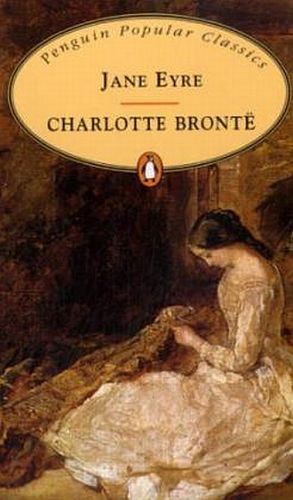
Readers of classic literature can’t believe that a beloved novel like Jane Eyre has bad sentences in it, but it’s true. To give author Charlotte Bronte some credit, she wrote a lot complex sentences that were actually easy to follow, and that was a rare skill in 19th century authors. Mixed in with her concise sentences, though, are a few exceptions. And when a Charlotte Bronte sentence goes bad, it goes into full disaster mode.
Just to be clear, a bad sentence is a sentence that would get students into trouble for writing it today. I’m not talking punctuation rules. I’m talking style rules and word choices that would upset the average English teacher or writing instructor. Students are taught to follow a strict set of grammar and style rules, and they get punished when they deviate from those rules. Therefore, it has to be frustrating to read a classic which breaks the same rules students are taught to follow. For example:
“Silence!” ejaculated a voice; (Chapter 5)
I could stop there. Maybe I should stop there. After all, ejaculated is a problem word. Maybe ejaculated was an okay word in the 1800s, but if I had written the word ejaculated when I was in school, I would have been sent to the office, no matter what the context was. I could have held a copy of Jane Eyre and pointed out that I was simply trying a famous author’s writing style, but it wouldn’t have mattered. I would have been given a failing grade. I would have been sent to the office. I would have gotten my mouth washed out with soap.
The other offense is using the word ejaculated as a substitute for said. I’m not a purist who thinks “said” should never be replaced, but I think ejaculated is pushing the envelope a little bit, especially in today’s over-sensitive culture.
And to present a balanced look at the sentences in Jane Eyre, here is the complete ejaculated sentence:
“Silence!” ejaculated a voice; not that of Miss Miller, but one of the upper teachers, a little and dark personage, smartly dressed, but of somewhat morose aspect, who installed herself at the top of one table, while a more buxom lady presided at the other.
If you’re a student, try writing a similar sentence and see what happens to you.
As mentioned earlier, most of Bronte’s sentences are clear, even the long and complex sentences, but every once in a while, a sentence veers out of control.
Each picture told a story; mysterious often to my undeveloped understanding and imperfect feelings, yet ever profoundly interesting: as interesting as the tales Bessie sometimes narrated on winter evenings, when she chanced to be in good humour; and when having brought her ironing table to the nursery hearth, she allowed us to sit about it and while she got up Mrs. Reed’s lace frills , and crimped her nightcap borders, fed our eager attention with passages of love and adventure taken from old fairy tales and older ballads ; or (as at a later period I discovered) from the pages of Pamela, and Henry, Earl of Moreland. (Chapter 1)
If the sentence had stopped after “…profoundly interesting,” I wouldn’t have gotten lost. But between the tales that Bessie narrated and Mrs. Reed’s lace frills and ironing tables and nightcap borders and the pages of Pamela , and Henry, Earl of Moreland, I got lost, profoundly lost. And once I figured everything out, I didn’t think it had been worth the effort. The sentence would have been better off if it had just stopped at the colon.
Long sentences can get red-marked, but sometimes even short sentences can be tricky.
Mr. Rochester, it seems, by the surgeon’s orders, went to bed early that night, nor did he rise soon next morning. (Chapter 13 )
When I was a kid, tense consistency was a big deal. If you wrote a story in past tense, you stayed in past tense. There was to be no tense deviation within that story (unless you were writing a present-tense story with a flashback or vice-versa). Here, Bronte has written a single sentence that violates the rules of tense consistency. If I had written this sentence, my instructor would have suggested a change:
Mr. Rochester, it SEEMED, by the surgeon’s orders, went to bed early that night, nor did he rise soon next morning.
Maybe these criticisms seem picky and lame, but writing instructors have red-marked student papers for far less. Teachers need to make sure students can write effectively, so I have no problem with red-marked papers, but students should also be aware that nobody’s writing is perfect or above criticism. Every piece of writing can be criticized, even classic novels.
*****
The title Jane Eyre has always caused a problem for potential readers because nobody knows ahead of time who Jane Eyre was or why a book was written about her. All a reader knows is that the main character is probably going to be Jane Eyre. That’s usually how it works with book titles that are solely character names. At least with The Adventures of Tom Sawyer, the reader knew there were going to be adventures.
Charlotte Bronte later wrote a novel with an even worse title, Shirley. Because Shirley has no last name in the title, most readers have no idea who Shirley is until they read the book. The title of Shirley is so bad that the movie Airplane even made fun of it.
Bronte left an unfinished novel named Emma, but readers can find Jane Austen’s Emma if they feel they must read a novel about somebody named Emma. Reader’s who get confused at book titles that are character names might prefer Bronte’s novel The Professor because the reader knows that the novel is probably about a professor. Even though that title is better, the book itself probably has some bad sentences in it.
*****
Here are even more Bad Sentences in Classic Literature!
Bad Sentences in Classic Literature: Moby Dick
Bad Sentences in Classic Literature: The Great Gatsby
Bad Sentences in Classic Literature: The Scarlet Letter
Bad Sentences in Classic Literature: Harry Potter and the Sorcerer’s Stone
Bad Sentences in Classic Literature: Great Expectations
Bad Sentences in Classic Literature: Pride and Prejudice
Bad Sentences in Classic Literature: Catch-22 Bad Sentences in Classic Literature: The Great Gatsby
*****
After more than ten years of blogging, I’ve finally written a novel.
A grammar-obsessed English teacher falls in ‘luuuvvv’ but discovers how chaotic and dangerous ‘luuuvvv’ can really be.

The Sunset Rises: A 1990s Romantic Comedy is now available on Amazon and from the trunk of my car at various local bookstores… until parking lot security kicks me out. Buy it now while supplies last!

He doesn’t have to let her win at the board game. He DOES, however, have to make sure nothing is stuck in his teeth. (image via wikimedia)
Dating can be tough for anybody, but it was especially rough for an introvert like me. I’ve never liked talking to people I don’t know very well. I’ve never liked unpredictable situations. To make matters worse, people who weren’t familiar with me have always thought I was kind of awkward. Despite these disadvantages, I eventually I learned to thrive in the harsh world of dating.
25 years ago when I was dating, it was easy for me to tell if I was a good dater or not. From what I had heard, a good date usually ended a certain way, and none of my dates were ending the way I had heard they should. I knew I was getting better at dating when more of the dates started ending right.
Soon after that, I ended up with a girlfriend, and then I got another one (not at the same time), and later on I even got a fiance who became my wife. My dating had become so successful that I had to quit dating. If I’m lucky, I won’t ever have to date again.
Looking back, there were a few things that an introvert like me had to do to make each social outing a cringe-free experience, so here are a few lessons that I learned.
Be the BEST version of yourself.
“Be yourself” by itself is lousy advice. During my dating years, being myself meant reading comic books and watching football games while wearing a superhero t-shirt and baggy shorts. Today, wearing a superhero t-shirt is socially acceptable, but it wasn’t 25 years ago. That was a bad version of myself to use as a first impression.
The story about how I figured all this out is kind of long (60 episodes, starting here), but I eventually learned (or was taught). Wear nice clothes. Clean the car. Be ready to pay for anything, and don’t complain about the price. I wasn’t the most handsome, most fashionable guy around, but I was acceptable to the kind of woman I was dating (I had surprisingly high standards). That by itself meant I was doing a lot better than I had been.
Stay away from unpredictable food.
Too many things can go wrong when you’re eating food on a first date. You can spill something on an inconvenient location. You can get food stuck in your teeth and not know about it. Hot food can cause your nose to get runny. Bad food might cause stomach problems which lead to embarrassing public situations.
You can’t avoid food on most first dates, but you can be careful about the food you choose. I learned to go for thin sandwiches and fries, and I let them cool a few minutes before I eating. Thin sandwiches don’t spill. Fries are manageable also and don’t cause a runny nose after they’ve cooled down. Once I found my “safe food,” I never had another food disaster on a date.
Script it out.
Sometimes my mind blanks out when I’m in unfamiliar surroundings or situations. I’m not scared or anything. I’m just processing, but to others, it looks like I’m freezing up. Sometimes when I’m processing, my conversation skills deteriorate, and that can make a lousy first impression, so I learned to script a few conversation starters.
When on a date, I stayed away from the topics of weather (unless it affected the date), politics (unless I decided I wanted the date to end early), and sports (unless my date showed up wearing a jersey). I usually had snappy patter prepared about music, entertainment news, and puppies. I also pretended to like whatever music my date enjoyed, unless it was too sappy (in which case my date was probably testing my masculinity).
Learn to dance.
Dancing is a great skill/activity for an introvert because we don’t have to talk.
Just to be clear, I never succeeded at dancing. When it came to dancing, I was a failure. I think today I would be called a dancing fail. An introvert friend of mine, however, became very good at dancing and met his first (and second) wife dancing in a certain style. He became very good at dating, but not so good at marriage.
Me? I couldn’t dance without injuring myself and others, so I got better at other activities like bowling, pool, and putt putt golf. Women love beating guys at putt putt golf. I’m not saying a guy always has to let the woman win. In my case, I was always doing well just by keeping the games close (I’m horrible at pool, bowling, and putt putt golf), but my dating game improved drastically and led to other activities (like sunset walks and European vacations).
The point is that quiet, non-aggressive guys can find ways to succeed at dating without coming across as trying too hard. Follow these rules (I’m sure there are more and better rules, but this is a blog and it’s free so what do you expect?) and you can be an introvert success story too!
*****
It has been over 20 years since I’ve had to worry about dating, so maybe some stuff has changed since then. What advice do you have for introverts who are dating today? Since my advice has been male-oriented, what advice is out there for the female introvert too?
*****
And while you’re thinking about that, here’s the perfect book to read before, during, or after a date.

The independent author just looked at his monthly writing income. (image via Wikimedia)
It’s not whining for a writer to say that most writers don’t make much money. It’s simply the truth. The last time I wrote about writers not making money (this was a couple years ago), some commenters accused me of being a whiner. I didn’t mean to come across that way (if I even did). I was just preparing myself and other and prospective authors for what lies ahead if they decide to try to make money from writing.
I don’t make much money from my writing right now. If you look only at what I made from my writing, the last few years have been financial disasters. I write my blog for free, and my ebooks are doing okay for somebody in my situation (a blogger who can’t tell anybody in his personal life that he’s blogging), but the books don’t bring in much money. I haven’t quit my day job.
A few years ago, famous rich author Elizabeth Gilbert said writing was “f*cking great.” That was easy for her to say because she’s f*cking rich. I make next to nothing from writing, and I still think writing is “f*cking great.” I think I have more credibility on this issue than she does. But even though writing is great, I know that I probably won’t make much money (I hope I’m wrong) for five basic reasons.
1. THERE ARE TOO MANY WRITERS
It’s supply and demand. With ebooks and blogs/websites, millions of regular people who otherwise wouldn’t write are writing. I’m one of them. I gave up my dreams of becoming an author in 1997 after I had been told several times that I was talented but my niche had limited appeal, so publishers would be reluctant to sign me a deal. I put writing out of my mind for almost 15 years.
Yeah, there are a lot of other writers out there, but since I don’t like blaming myself (and other writers) for my low pay, I present…
2. THERE ARE NOT ENOUGH READERS
Technology has created millions of new writers, but that leaves fewer readers. All those people writing used to be reading, and they might still read, but they probably read less, and if people are reading less and writing more, than the writer-reader ratio (or reader-writer ratio) goes down (or up). That means there are fewer readers to buy the books that that new writers are writing. And my mom will only buy one copy of each ebook.
3. WRITERS PUBLISH FREE STUFF
Not only are there a bunch of writers out there, most of their material is now free. Blogs and websites (and even videos) are free. Some ebooks are free, and the others are really cheap. If so much reading material is free (and some of it is actually good), then readers will be attracted by that and avoid paying for anything. As a reader, that’s great. I love free stuff. But as a writer? I know that creating a reliable income from writing (at least the way I’m going about it now) is a long shot.
Despite the lack of income, writers probably shouldn’t start charging for the stuff that’s already free. If they do that, readers would stop reading, and most writers would rather get read for nothing than charge and not get read at all. Feedback is a payment in its own way, so I figure any authors who get feedback from their writing are doing a good job.
4. MOST WRITERS AREN’T GOOD SELF-PROMOTERS
It’s tough to pitch a book without turning people off. If you want friends to buy your books, they might feel they’re being used just so that you can make money. If you have a blog that only promotes your book, then readers might get tired of seeing your books over and over again. If you don’t use your blog to promote our book, then nobody will see your books. If you spend a bunch of time on social media, then you’re taking valuable time and effort on something that is NOT your writing.
Some writers aren’t good self-promoters. Some writers have abrasive personalities and need to be kept away from the public. This is why most famous authors have publicists. If an independent writer wants to sell books, then that writer has to become good at self-promotion, and that’s a different skill from writing.
5. FAMOUS AUTHORS WRITE TOO MANY BOOKS
Authors on The New York Times Bestsellers List from ten years ago looks a lot like the authors on the lists today. And a bunch of those authors write more than one book a year. I’ve scanned through these books. A lot of them suck, but readers buy them anyway.
For example, rich famous writer James Patterson published more than ten novels last year, most of which had a co-author. Tom Clancy is still publishing books and he died a few years ago. I think even Ron L. Hubbard still comes out with a new book every once in a while. It’s bad enough we independent writers have to compete with authors who use co-authors, but now we have to compete with dead authors too? That’s downright demoralizing.
I know that if famous authors (and dead authors) stopped writing multiple books a year, it wouldn’t change the writer-reader ratio enough to increase my chances of being successful. I know that. But every controversial issue needs a scapegoat. And I have no problem scapegoating a rich, famous guy who is completely unaffected by my scapegoating. Therefore, if I’m going to blame any one person for the lack of money being paid to writers, it’s James Patterson!!!
*****
My prospects of making money from writing might be dim, but I’m not filled with gloom and doom. Ten years ago, I could have pounded the keyboards indefinitely and still nobody would have read my stories, except maybe for Mom. Now, between blogs and ebooks and unlimited opportunities for shameless self-promotion, anybody can build an audience. And that’s f*cking gr… uh… that’s pretty great.

(image via wikimedia)
The dorm elevators always scared me a little bit. They were slow, they were noisy, and they moved in herky-jerky motions that didn’t feel natural when you were stuck inside. On Friday and Saturday nights, drunk students would stomp up and down to rock the elevator even more. I’m not sure what the drunks hoped to accomplish. If they had managed to break the elevator, they would have plunged to their likely deaths, but at least they were having a good time.
Early in the first semester, some drunk guy puked in one of the elevators on a Saturday night, and custodians didn’t work the dorms on Sunday, so the vomit stayed in the elevator for about 36 hours. This caused a chain reaction of events that I don’t want to describe because it’s disgusting and I’m not that kind of storyteller. The point is that even after the puke was eventually cleaned, the scent stayed around, especially when you were enclosed inside the elevator.
One afternoon (days or weeks after the puking incident, I ‘m not sure because this happened 30 years ago) my roommate Kirk and I were heading out to class. Sometimes I would rather take the stairs than stand in the elevator, but Kirk always razzed me about that, so inside the elevator I went.
“This sucks,” I said at the faint scent of lingering puke.
“It’s in your mind,” Kirk said.
“The mind doesn’t just make up smells,” I said. “It’s still pukey in here.”
Kirk breathed in deeply with a wide smile. “Nope. It’s perfectly fresh air.”
“You’ve lost your sense of smell,” I said.
“I’m perfectly normal,” Kirk said.
“I know where your face has been,” I said. “At the very least, you have smell tolerance.”
“Good point,” Kirk said. “But it’s still in your mind.”
We were still arguing when the elevator stopped at the 6th floor and two girls stepped in. One girl had caked way too much makeup on, and the other girl was tall with spiky hair. They stopped in mid-conversation when they saw us. I was used to being ignored whenever I was in an elevator, but I wasn’t normally a conversation-stopper, so I wondered if my fly was down or if I had anything dangling from my nose.
When the elevator doors shut, the girl with the caked makeup said with authority:
“You’re an asshole.”
When I looked up, I could tell from the way the girl was eyeballing Kirk what was going on, and I felt an awkward moment coming.
“You said you’d call me,” the girl said. “Why didn’t you call me?”
Kirk actually blushed. I’d never seen him turn red before. I didn’t need an explanation. This was a girl that Kirk had brought back to our room, and I guess they’d both been drunk, and then after they were done, Kirk had said he’d call her but Kirk rarely went back to the same girl twice.
The elevator doors finally closed, but the elevator hadn’t started moving.
Kirk shrugged. “I changed my mind.”
“You’re an asshole.”
“Then why would you want me to call you back?”
This confrontation wouldn’t have been so bad out in the open area, like a lobby or the commons where both Kirk and the girl could pass each other by. Instead, we were trapped in a rickety elevator. I held my breath and hoped that the elevator wouldn’t get stuck, but we finally moved.
“So Friday night didn’t mean anything to you,” the girl said.
Kirk didn’t say anything. C’mon elevator, I thought, hurry up.
“You just thought I’d be another girl for you to use,” she continued.
I almost told her to get herself checked out at the clinic, but I didn’t want to become part of the scene.
While the girl kept badgering Kirk about not calling her, the spikey girl made eye contact with me and grinned, but I looked away.
Don’t get me wrong. Under normal circumstances, I’d appreciate a public confrontation as much as anyone, but I didn’t want to be in the middle of one. It’s only funny if you’re not involved, and I had to live with Kirk. Any public confrontation he was involved with could have ramifications for me, and I was already struggling in college.
“If you weren’t going to call me back, then don’t tell me you’re going to call me back,” the girl said.
“I’m not going to call you, alright?” Kirk said. “You happy now?”
That was it. I could see the girl’s eyes twitch, her lips slowly purse, and I knew exactly what she was going to say before she said it.
“Ugh! You are such an asshole!”
That wasn’t quite what I thought she was going to say (I thought she was going to say the f-word), but it was close enough.
The elevator door opened, and Kirk and I burst out. We were usually gentleman, but we wanted no part of any post-one-night-stand argument and the puke smell was getting to me. The makeup girl almost followed Kirk out, but the spiky girl, still grinning, linked her arm to her friend and eased her out of the elevator.
“C’mon,” she kept saying. “Class starts in seven minutes.”
Once they had cleared the lobby, Kirk turned toward them and said, “Thanks, Spike.”
The spiky girl opened her mouth, then closed it and shook her head, nudging her friend forward. The makeup girl cast one final glance at Kirk, and then allowed herself to be dragged away. The spiky girl said something in the other girl’s ear, and they both laughed loudly enough for us to hear it.
“She really thought you were going to call her,” I said. I almost felt bad for her, and I rarely felt bad for Kirk’s one-nighters. They were always drunk and usually obnoxious when I met them, so it was puzzling to see this other side of the situation.
“Yeah, I lied to her,” he said. “It’s better than telling her ‘it’s been fun, now get out’.”
Kirk and I took a different exit from the lobby, even though we seemed to be heading in the same direction as the two girls. We were just giving them a head start and would walk slowly enough not to catch up with them.
At the time, this seemed like just a really awkward moment in an elevator, but I realized later (I’m not sure how much later) that it wasn’t. When that strange thing happened to me at the University Library later on that semester, this elevator incident came back to…
Well, I’ll eventually get to that.
*****
To be continued in University Library: Going Incognito .
Or you can read University Library from the beginning at University Library: State School.

(image via wikimedia)
Boys have a bad reputation when it comes to reading. Conventional wisdom says that boys don’t read as well as girls, and even when boys are capable enough to read as well, boys tend to skim more material and skip pages.
At least, according to this study, boys don’t read as closely. I don’t always trust studies like this. Too many things can go wrong or be done incorrectly, but I don’t necessarily disagree with the conclusion of the study. I haven’t done any costly, time-consuming research. I’m just using my own personal experiences and anecdotal evidence.
Full disclosure: I’m a male who is supposedly a pretty good reader, and I know exactly what this study is talking about. I skip pages (every once in a while), and I skim. I’ve even taken credit for reading books which I’ve never even opened (but I don’t do that anymore).
Instead of complaining about boys’ poor reading habits, I want to explain why it happens. To do this, I have to use some stereotypes and generalities. When I say “boys,” I don’t mean all boys, and when I say “girls,” I don’t mean all girls. If you don’t fit the gender role that I’m talking about, you don’t need to bash me for it. I’ve already been pre-bashed.
Enough people complain about boys not reading well, and I don’t want to pile on, but it’s pretty simple. Boys don’t read closely because there are other things to do. It’s not practical to read everything. To us, reading is often more like a task to complete than an activity to enjoy.
While growing up, I knew a bunch of boys who didn’t like reading and weren’t that good at it, so I understand the mentality. They saw reading as a waste of time when there was so much living to do. They knew how to read. They were capable of reading. Reading was what they might do if there was nothing else to do.
Boys read less carefully because we/they have other things we want to think about. We tend to be more task-oriented, so we see reading as a goal that must be completed. Even if I’m reading a book for fun, I’ll still have a goal of when I want to finish it. The subconscious goal then becomes more important than the enjoyment of reading the book. Sometimes I’m not even aware of it.
It’s not laziness, as some parents and teachers might imply. Boys don’t pay as close attention because it’s not as important to them. In high school, my best friend couldn’t focus on a textbook, but he could read and memorize a TV Guide. That’s where his priorities were. Since TV Guides aren’t relevant anymore, the kid today who struggles reading history can probably memorize lineups for fantasy football.
Girls, on the other hand, are more likely to become more immersed in the experience of reading a book. Females can get emotionally caught up in a book more than most males do. That’s why women cry more at movies than men do. Part of it is empathy, but a lot of it is that while something emotional is happening in the movie, the woman is caught up in the emotion and the man is calculating how much time is left in the movie.
This applies to our adult conversations as well. When women (such as girlfriends or wives) claim we men are not paying attention, it’s not that we’re ignoring our girlfriends/wives. When women think we men aren’t paying attention, our minds aren’t wandering; we’re just thinking ahead. We’re thinking of other stuff, some of which might be really important. Hopefully that other stuff isn’t other women (but that’s a separate issue).
If anything, we men don’t get enough credit for how much we think. If all that thinking ahead means that boys don’t read as closely as girls, then so be it.
So instead of criticizing boys for not reading as well as girls, we should be encouraging them. Good job, boys! Keep on thinking ahead about other stuff!
*****
It doesn’t matter if you’re male or female. If you like reading, you’ll probably like my ebook, though you might not read it as closely if you’re a guy.