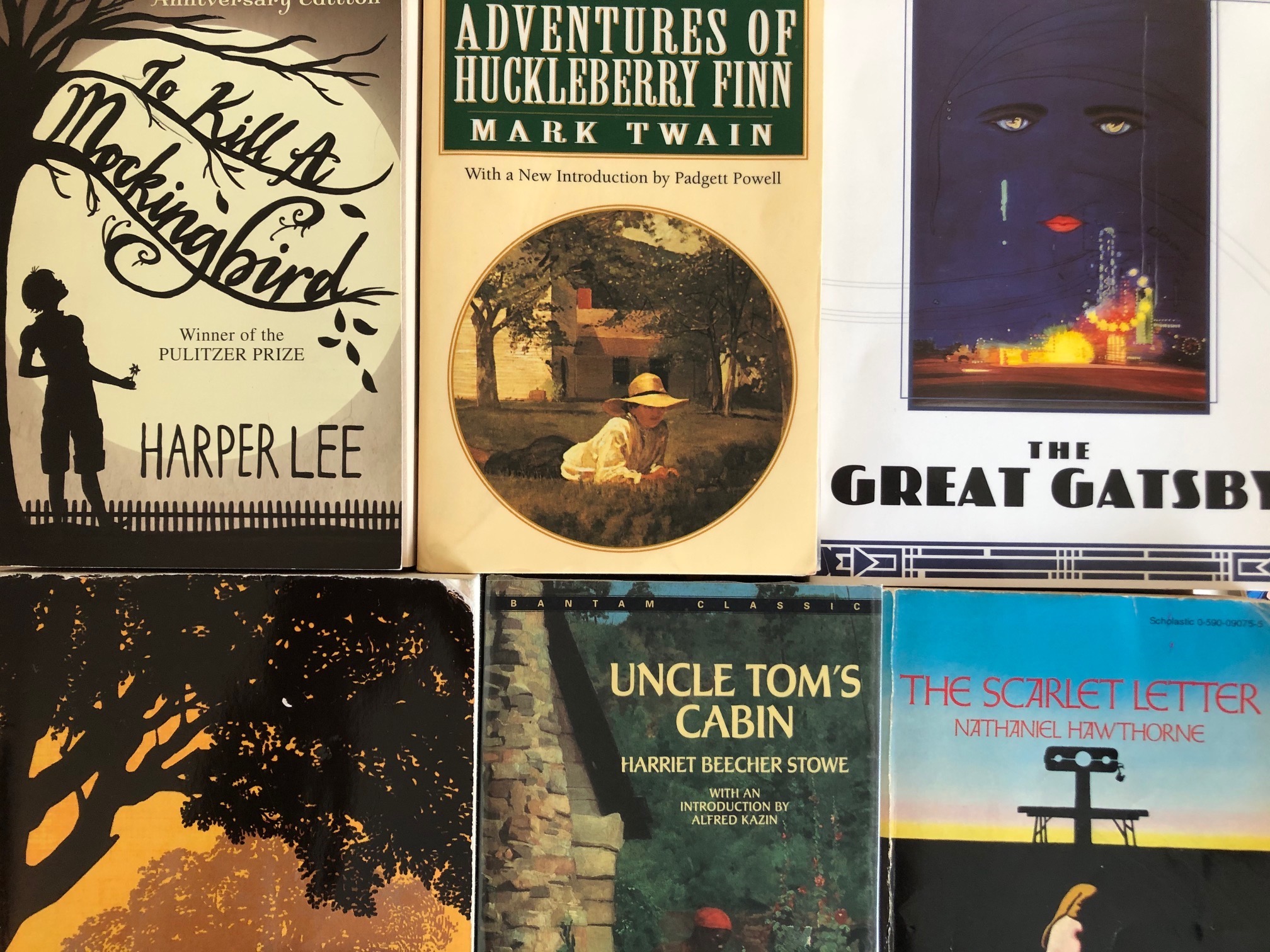
When a classmate in college announced that his goal in life was to write THE Great American Novel, I thought, well, that’s kind of arrogant.
At that time, I was struggling to finish writing coherent short stories. Writing a novel would have been an accomplishment. Writing a great novel? Writing THE great American novel? That still seems too ambitious for me.
Critics can’t even agree what THE great American novel is right now. Below is a list of novels that make most Great American Novel lists. I don’t see my former classmate’s name on any of them. Actually, I don’t remember what his full name was, but I know his novel still hasn’t made the cut.
*****
Moby Dick by Hermann Melville
The Scarlet Letter by Nathaniel Hawthorne
Adventures of Huckleberry Finn by Mark Twain
The Grapes of Wrath by John Steinbeck
To Kill A Mockingbird by Harper Lee
Invisible Man by Ralph Ellison
The Great Gatsby by John F. Fitzgerald
The Last of the Mohicans by James Fenimore Cooper
Uncle Tom’s Cabin by Harriet Beecher Stowe
Blood Meridian by Cormac McCarthy
*****
I’m not saying any of these books are THE Great American Novel. I’m just saying they’re on various lists. There probably isn’t really any book that is THE Great American Novel. It’s just a silly topic designed to start stupid arguments when we should be reading books rather than arguing about them.
To be fair to my former classmate decades ago, he might have written THE Great American Novel, but it wasn’t recognized as such by literary agents or book publishers. My classmate wasn’t rich and didn’t have connections. I think he was a pretty good writer, though.
*****
Enough about me! What do you think? Do any of these books deserve to be acclaimed as THE Great American Novel? Is there really any such thing as THE Great American Novel?

Even though I’ve read only a few Agatha Christie books, I respect the heck out of what she accomplished. Yeah, a lot of her books were the same (meaning they had a very similar formula), but at least she was rewriting a really good book all the time.
*****
2020 marks 100 years since the publication of Agatha Christie’s first novel, The Mysterious Affair at Styles – the book that introduced Hercule Poirot to the world. We’re celebrating 100 years of Agatha Christie stories with a host of activities and events for readers, viewers, listeners and fans. Join us as we celebrate what we love about the Queen of Crime, her timeless stories and her unique characters.
This year sees the release of Sophie Hannah’s new Poirot novel The Killings at Kingfisher Hill, as well as the big screen launch of Death on the Nile with Kenneth Branagh and an all-star cast, so you can expect plenty of exciting news and updates too. Read on to find out more. We’ll keep you updated on our website, and on social media using #100YearsofChristie.
Read more at 100 Years of Agatha Christie!
*****
It’s kind of weird for the Agatha Christie website to promote Sophie Hannah’s Hercule Poirot books. Maybe Hannah’s books are good, but they’re not really about the real Hercule Poirot; they’re about some guy who just happens to be named Hercule Poirot.
The same applies to other iconic fictional characters like Sherlock Holmes or James Bond or Conan the Barbarian. Anybody other than the original authors aren’t really writing about those characters. I should know; I used to read the impostor’s books. They were okay, but they weren’t really the original characters.
I don’t necessarily blame the Agatha Christie estate for hiring a new author for popular Agatha Christie characters. As a reader, I can usually spot the difference between the original and the newby. Thankfully, if I ever want to read another Agatha Christie novel, there are plenty to choose from.
*****
What do you think? Should estates hire new authors to write about iconic characters? Are these novels ever as good as the originals? What is your favorite Agatha Christie novel?

The Strand Bookstore in New York City is sometimes described as “historic” by shoppers or reviewers, but I’m not so sure. It opened less than 100 years ago, and I don’t think that’s really “historic.”
To me, maybe a location 150 years or older would be historic. To somebody from Europe or Asia or Africa, maybe a location has to be 1,000 years old to be “historic.”
Anyway, The Strand Bookstore in New York City (or somebody who works there) recently sent out a tweet asking for help or more business or thoughts and prayers.
*****
We need your help. This is the post we hoped to never write, but today marks a huge turning point in The Strand’s history. Our revenue has dropped nearly 70% compared to last year, and the loans and cash reserves that have kept us afloat these past months are depleted.
We have survived so much in the past 93 years, and we are ready to fight against all odds to keep The Strand alive, but we cannot do it without book lovers like you.
Read more here at Strand Book Store on Twitter:.
*****
I’m not suggesting that anybody should pitch in to help The Strand. I don’t know the owners. They might be dicks to their employees. They might have supported and voted for the government regulations that are destroying their business in the first place. There might be other better local book stores that deserve or need more help.
I don’t even have advice for the owners of The Strand. If my family ever goes to New York City, maybe we’ll stop by. I like historic bookstores, though I don’t think a store founded in 1927 is really “historic.”
*****
What do you think? How long should something exist before it can be considered historic in the United States? 100 years? 200 years?
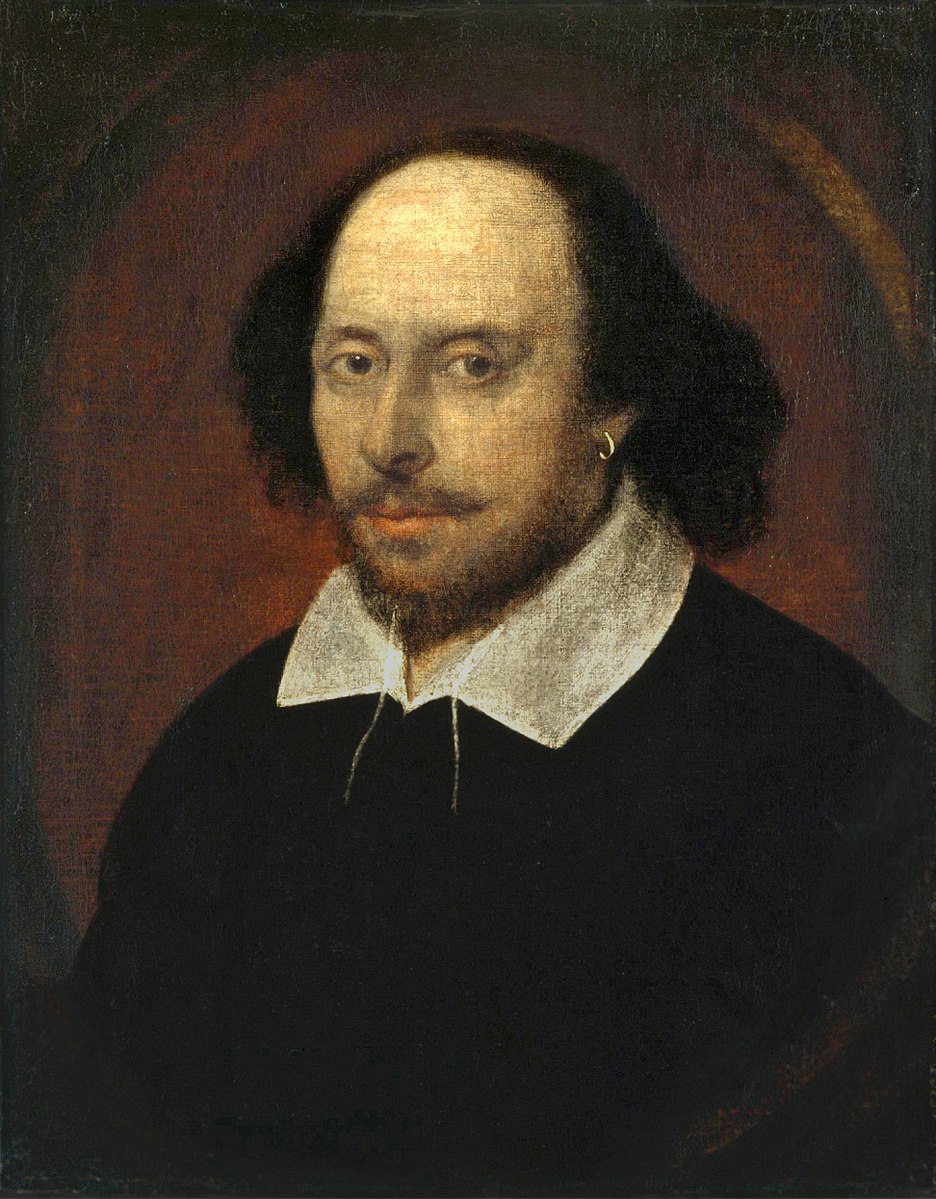
There might be some authors today who are worth more than 10 million dollars, but I bet none of them could sell a single book for that price.
*****
A complete and original copy of Shakespeare’s very first printed collection of plays set a record Wednesday when it was auctioned off at just under $10 million. This was the first time in almost two decades a copy had hit the market.
Referred to as the First Folio, the collection was published in 1623, seven years after Shakespeare’s death.
“A complete copy of the First Folio comes up more or less once in a generation,” said Margaret Ford, the International Head of Books and Manuscripts at Christie’s. The auction house took bids in New York City, and said the sale establishes a world auction record for any printed work of literature.
Read more at Shakespeare’s Original First Folio Sells For Almost $10 Million.
*****
Even if I could afford a book like an original Shakespeare folio, I’m not sure I’d want it. I’d be paranoid that something would happen to it while in my possession.
When I sold a bunch of old, expensive comic books a couple years ago, I was almost relieved to get rid of them. I couldn’t enjoy reading them anymore because I didn’t want to accidentally rip a page or tear the paper and devalue them.
If I didn’t want to read my Silver Age comic books, just think how nervous this auction winner is when he’s reading an original Shakespeare Folio. Every time he touches it, the value could drop by hundreds of thousands of dollars.
Poor Shakespeare auction guy. He just bought a book that he can’t/shouldn’t really touch.
*****
Enough about me! What do you think? Would you even try touching such an expensive book? What old books would you like to own?
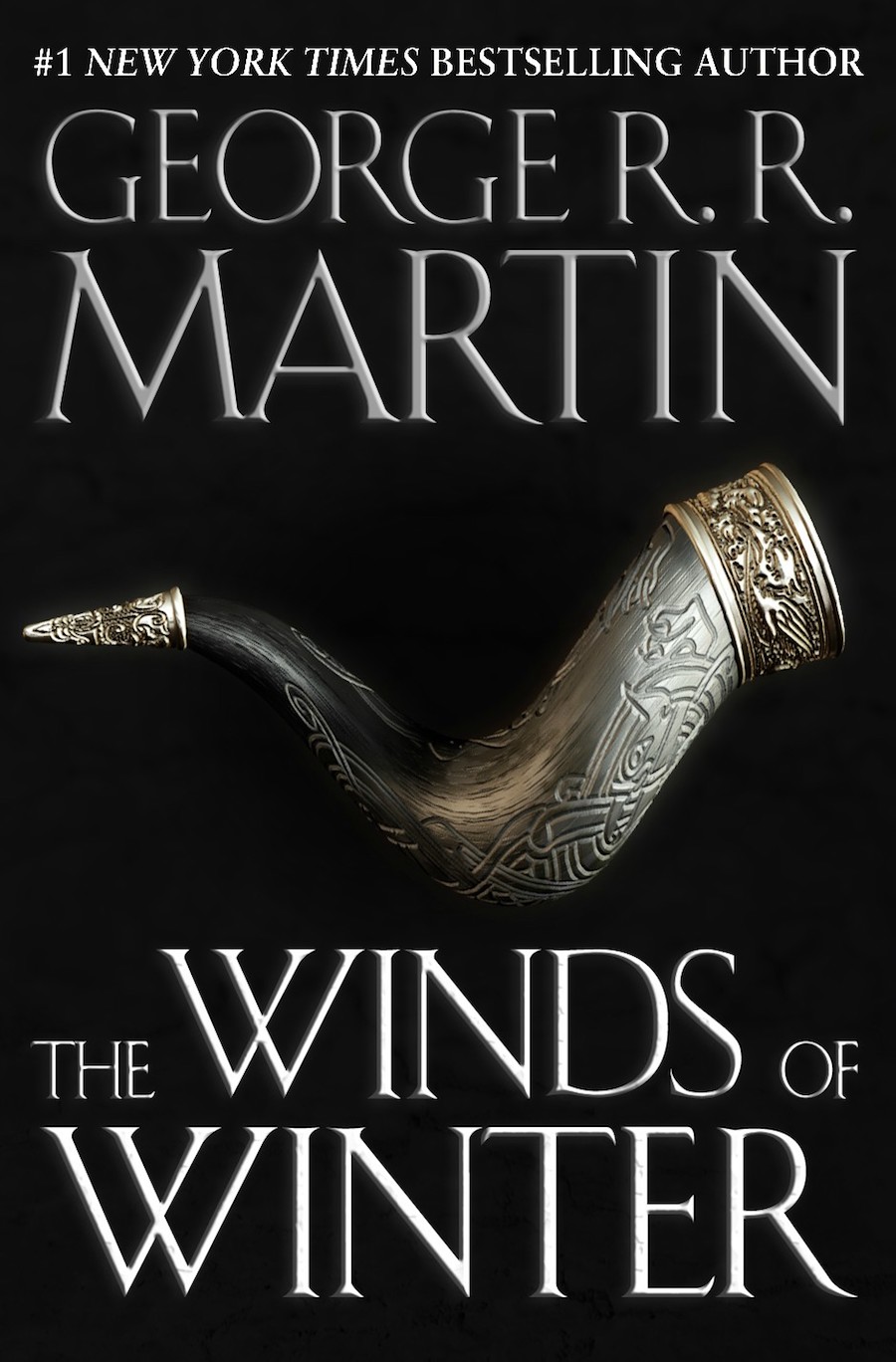
Famous author George R.R. Martin is almost ten years late on The Winds of Winter, the sixth book in his Game of Thrones series, but that doesn’t stop Martin from talking about SPOILERS.
*****
As Game of Thrones fans know, the lovable, monoverbal Hodor (Kristian Nairn) perished in the season 6 episode “The Door.” The gentle giant was commanded to “hold the door” and used his weight to block an exit as undead wights attacked, allowing Bran Stark (Isaac Hempstead Wright) and Meera Reed (Ellie Kendrick) to escape.
Martin chose the scene to give an example of how his upcoming books will be different than the show, and it also serves as an interesting example of the choices made when adapting a print tale to television.
“I thought they executed it very well, but there are going to be differences in the book,” Martin said. “They did it very physical — ‘hold the door’ with Hodor’s strength. In the book, Hodor has stolen one of the old swords from the crypt. Bran has been warging into Hodor and practicing with his body, because Bran had been trained in swordplay. So telling Hodor to ‘hold the door’ is more like ‘hold this pass’ — defend it when enemies are coming — and Hodor is fighting and killing them. A little different, but same idea.”
Read more at George R.R. Martin reveals how Hodor’s fate will be different in his books.
*****
Is it really a SPOILER if the book never gets finished? I figure there’s a 35% chance The Winds of Winter never gets finished anyway, so this probably wasn’t a spoiler.
Maybe this is Martin’s way of telling his devoted readers what happens in his books without having to write them. If so, it works out for everybody. George R.R. Martin gets to do interviews, which he seems to love to do. Fans get tidbits about what happens in the series.
And George R.R. Martin never has to really write again. It’s a perfect solution.
*****
What do you think? Will George R.R. Martin ever finish writing A Game of Thrones? Does anybody (in a statistical sense) even care anymore? Can you give SPOILERS to a book that never gets finished?

Maybe journalists aren’t really writers anymore, but the journalist involved in this story DOES work for The New Yorker. Or maybe… he DID work for The New Yorker.
*****
A top US legal analyst has been suspended by New Yorker magazine after he exposed himself on a Zoom call.
Jeffrey Toobin, 60, also a prominent CNN commentator, has been in demand as the US election campaign intensifies.
The incident, first reported by Vice News, happened during an election simulation involving the New Yorker and WNYC radio last week.
Read more here (if you’re not already too disgusted) at New Yorker’s Jeffrey Toobin exposes himself in Zoom call.
*****
I know a lot of internet commenters are making fun of this guy, but I feel for him a little bit. He’s probably really addicted to pornography, and people think porn is funny (in a gross way). I’ve made fun of pornography in the past. I even wrote Best Porn Jokes Ever!
But porn is actually disgusting. When I was younger, I got tricked into believing it is a benign vice, and I allowed myself to believe it. Then I realized that a bunch of the women in porn die really young and have really bad problems.
Now I know that watching porn makes men weak and creates relationship problems which then leads to broken families (or no families), which leads to more vulnerable women who are desperate enough to do porn.
On a lighter side, this type of behavior gives writers a bad name, especially when we need a quiet, dark, secure place with a computer/laptop. I do some of my best writing at night after everybody else in my family has gone to sleep. Sometimes my wife jokes that I’m not really writing. She has even accused me of “not writing” instead of writing.
I’m really writing. I can prove it. I keep the door open when I’m writing. If the door is closed, it’s unlocked. And I don’t look at porn anymore, so I’m safe during conference calls.
As far as the journalist for The New Yorker goes, he’ll never be invited to another Zoom call, and that’s not such a bad thing. Maybe I shouldn’t feel for him after all. Ugh. Zoom calls.
*****
Enough about me! What do you think? If this guy worked for you, would you fire him? Even more important, should men be pressured to stop watching porn?
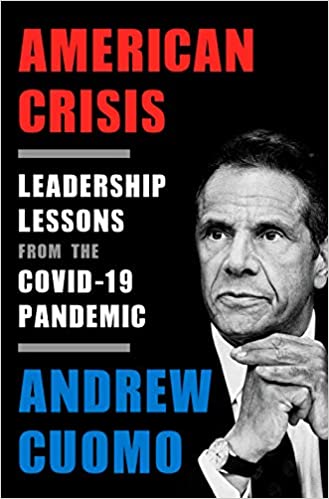
I don’t know who to root for in this situation. I’m not a fan of protesters or politicians who write books.
*****
A silver casket was wheeled to the front of a Brooklyn nursing home Sunday — and 6,500 copies of the cover of Gov. Andrew Cuomo’s new book were dumped into it in protest of his COVID-19 policies.
Read more here at Casket outside Brooklyn nursing home filled with 6,500 covers of Cuomo’s book .
*****
This is a tough one. I’m not a fan of protesters (even when I agree with them on the issues) because they tend to get really loud and they block people from going to where they want or need to go. As I’ve said many times, social injustice is bad, but I need to get to work.
On the other hand, I don’t like politicians who write books while they’re in office. It seems unethical, and it’s probably a form of (maybe) legal money laundering.
I have to admit, putting book covers in a casket is creative, if also morbid. If I were an author and saw 6500 protesters with my book, I’d think, “Yes! My book just sold 6500 copies!”
But then when I realized that the protesters had only my book covers, I’d think, “Aw, man, those protesters just ripped me off!”
If you’re going to rip anybody off, though, rip off a politician.
*****
Enough about me! What do you think? Which group of people would you usually root for, the protesters or the politicians? Should politicians be allowed to publish books while they’re in office?
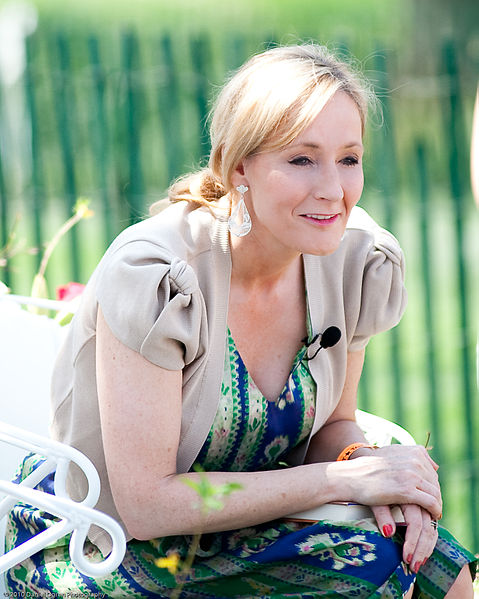
Is there anything lazier for an author to do than sign an open letter?
It all started because of this:
****
J.K. Rowling’s views on social identity continue to ignite controversy on both sides of the Atlantic Ocean. After the September release of her most recent novel, Troubled Blood, fifth in the detective series that she writes under the pseudonym of Robert Galbraith, the conflict between those in the literary world who agree with her views and those who oppose them has intensified, due to Rowling’s perpetuating in her fiction what many consider to be negative myths and stereotypes about transgender people.
*****
Read more here (if you dare) at Rowling’s Views Ignite War of Words in US, UK Literary Worlds.
But here’s a synopsis. J.K. gets attacked on social media (who HASN’T gotten attacked on social media?).
Then a group of British authors signs an open letter defending her.
Then another group of British authors sign an open letter against J.K. Rowling’s viewpoints.
And then a group of American authors signs a second open letter disagreeing with J.K. Rowling (because the British letter wasn’t good enough, I guess), and several famous authors like Stephen King, Neil Gaiman, and John Green signed that one.
Do you want more details? Seriously?
First of all, I’d never attach my name to an open letter if somebody else wrote it. Even though I’m officially unpublished, I have pride in my thoughts, too much to associate my name with somebody else’s words.
If I feel strongly enough to write about a topic, I’ll write about it myself. I’m not going to outsource my writing and put my name on it. That’s lazy.
Plus, I don’t think I’d even write an open letter. The open letter concept is kind of conceited. I think it used to be called an editorial or opinion piece, except the writer is arrogant enough to shape it as a letter and make it public.
Either write a direct letter or write an opinion piece. Or do both and keep them separate.
What issue were the authors arguing about? Aw, I got myself so worked up about open letters that I forgot about what they were arguing about. Stupid open letters.
*****
Enough about me! What do you think? Would you ever write an open letter? More importantly, would you ever sign somebody else’s open letter?

The Underground Railroad by Colson Whitehead is a tough book to check out from the public library. The waiting time is long, and even before the lockdowns began, borrowers rarely returned it.
I finally had enough, so I bought a cheap copy at a used book store last week. I haven’t finished reading it, but I can already tell why it received a Pulitzer Prize for Fiction in 2016.
1. Emotional setting.
Setting is huge in a lot of Pulitzers. This one is set in the South before the Civil War, and slavery is a huge emotional topic in the United States. Some people get angry that slavery existed in the United States, and others get angry that they didn’t get to profit from it. Either way, people get emotional.
Write about an emotional/pivotal time period in the United States, and you have an advantage over other writers.
2. Sympathetic main character
The main character in The Underground Railroad is a slave who decides to flee, even though it comes with a price. Everybody sympathizes with a slave. Even descendants of slave owners sympathize with slaves. You have to be a dick of a reader not to sympathize with a slave who escapes.
The Underground Railroad probably wouldn’t have received a Pulitzer if it had been told from the slaveowner’s point-of-view. Not unless he/she was a really sympathetic slaveowner.
3. Traumatic experiences
The Pulitzer judges love traumatic experiences, but don’t overdo it. Don’t get too graphic or extreme. To be fair, I haven’t read much of The Underground Railroad yet, so I don’t know how traumatic the experiences will be, but a book about slavery has to have trauma.
Readers will actually get angry if a book about slavery doesn’t have a little bit of trauma. It would almost be like false advertising.
4. One cool idea.
According to every history book I’ve read, The Underground Railroad wasn’t really a railroad and it wasn’t physically underground. Colson Whitehead’s cool idea for The Underground Railroad was to take that metaphor of an underground railroad and make it literal.
That’s all it takes: one cool idea. I just hope no lazy high school students take a history test after reading the novel.
Using these devices don’t guarantee a writer a Pulitzer, especially if a bunch of other authors do the same thing. Plus, not every Pulitzer uses the same elements. All The Light We Cannot See by Anthony Doerr uses a similar formula, and I’m guessing The Sympathizer by Viet Thanh Nguyen does as well (I could be wrong).
Other Pulitzers, like A Visit from the Goon Squad by Jennifer Egan or Less (Ugh… Less) by some author whose name I don’t want to look up, use different strategies, so there is more than one way to write a Pulitzer Prize winning novel.
But if your goal is to win a Pulitzer Prize for Fiction (that’s not my goal, by the way), these four elements provide a good start.
*****
What do you think? What does it take to win a Pulitzer Prize for Fiction? What did you think of The Underground Railroad?

If I hadn’t seen the movie first, I wouldn’t have finished reading No Country for Old Men by Cormac McCarthy.
My problem with No Country for Old Men is that the author doesn’t use quotation marks in dialogue. I would have noticed that within the first few pages and thought, “Ugh, stupid literary gimmick” and would have tossed the book aside.
I’m not a fan of literary gimmicks. They usually don’t add anything to writing and are often an author’s way of showing off.
Fortunately, I saw the movie No Country for Old Men first. I liked it but thought it had some holes in the plot. I later heard that the novel explains most of the stuff that the movie doesn’t. Plus, the book is short.
The copy that I bought came out after the movie. You can tell because of the giant circle that says ACADEMY AWARD WINNER BEST PICTURE. I used to buy books that came out before the movie so that my literary friends knew that the movie had nothing to do with my interest in a book.
Now I don’t really have literary friends anymore, so I’ll buy whatever copy of a book is cheapest (as long as it hasn’t been sneezed on).
The book was good. A lot of the dialogue in the book was taken word-for-word for the movie. I don’t blame the script writers for using the same dialogue. It was good dialogue.
But the author didn’t use quotation marks. That’s just annoying.
*****
What do you think? What did you think of No Country for Old Men? What literary gimmicks do you find annoying?


 Dysfunctional Literacy
