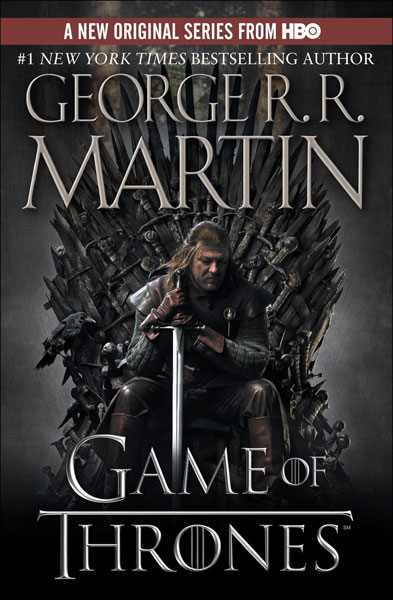
Lesson #1- Do NOT sit on that throne.
Out of all the reasons to watch Game of Thrones (violence, nudity, ripped-from-history storylines), learning life lessons isn’t one of them. Nobody watches Game of Thrones for morality lessons. If they do, they’re probably disappointed.
Sympathetic characters get killed in horrible ways, and villains seem to thrive. That’s a horrible morality lesson. But if you don’t watch with a good vs. evil perspective, Game of Thrones can give you some practical advice about how to be successful (and avoid getting yourself killed)
All of the lessons below are taken from Game of Thrones quotes. I’m not going to explain the context of the quotes (except for a couple) because that might potentially spoil the show for somebody who hasn’t watched it yet. But even if you haven’t watched it, you can learn from these quotes. Plus, if you use these quotes in everyday conversation, others will think you watch the show and will automatically hold you in higher regard (as long as you don’t tell them you don’t watch the show).
Here are five great Game of Thrones quotes that teach valuable lessons about life:
- “You know nothing.”
Life is easier if you understand that you know nothing. Most problems are caused by people who think they know more than they really do. Unfortunately, those people who don’t know anything are great at pretending they know a lot of stuff. If you can admit you know nothing, you can avoid a lot of stress.
Plus, saying “You know nothing,” is a great response to a lot of insults, especially if somebody curses at you and you don’t want to resort to profanity. If somebody else says “You know nothing” to you, all you have to do is sneer back and retort: “YOU know nothing.”
2. “You are a king. And that means you don’t have to do everything yourself.”
At first, I thought this was sound advice, until a season later when the person who gave this advice murdered the king he had been speaking to. Then I realized, just about every king who has died in Game of Thrones has perished partly because he let somebody else handle important business. Therefore, what I learned was:
Being king means you have to do the important stuff yourself. (It’s not in quotes because I made it up myself.)
Ideally, a king wouldn’t have to do everything himself, but every time kings trust their subordinates to important matters, the subordinates screw it up or betray them. This is true for non-kings as well in real life. If something important has to be done, do it yourself. If you can’t, watch carefully over the person who does it for you.
3. “A Lannister always pays his debts.”
You don’t have to be a Lannister to pay your debts. And on Game of Thrones, the Lannisters furthered their own problems by not paying off their debt to the Iron Bank. In reality, everybody has to be in debt sometime. It’s one way to get ahead in life.
But if you take a debt, it’s very important to pay it back. If you don’t, the people you owe will always get their money back, one way or another. If they can’t get their money back, then most likely you have a very rich (and sometimes deadly) enemy to deal with. I don’t like having enemies, especially rich ones, so I always pay back my debts.
4. “Knowledge is power,” but “Power is power” too.
Yes, knowledge is power, especially if you have knowledge about the people in power, but if the people in power find out that you have knowledge about them, the people in power might have you killed, and if you’re in power and you find out that somebody has knowledge about you, don’t threaten them because then the people with knowledge know they have power over you and might use it to destroy you.
In other words, keep your mouth shut. That’s almost always good advice.
5. “Any man who has to say ‘I am the king’ is no true king.”
If you’re in a position of authority, it’s not a good idea to remind everybody. It undermines your authority. I once had a teacher in junior high who couldn’t control the class, and out of frustration he shouted, “I am the teacher, and you will do what I say!” The class laughed at him (I didn’t), and a bunch of students farted.
In school, farting is power.
*****
I’m sure that anybody can find the lessons they want to find by watching Game of Thrones. What lessons have you learned from watching Game of Thrones?
*****
Here are two books that you might enjoy while you’re waiting for the next episode of Game of Thrones.

Now only 99 cents each on the Amazon Kindle!
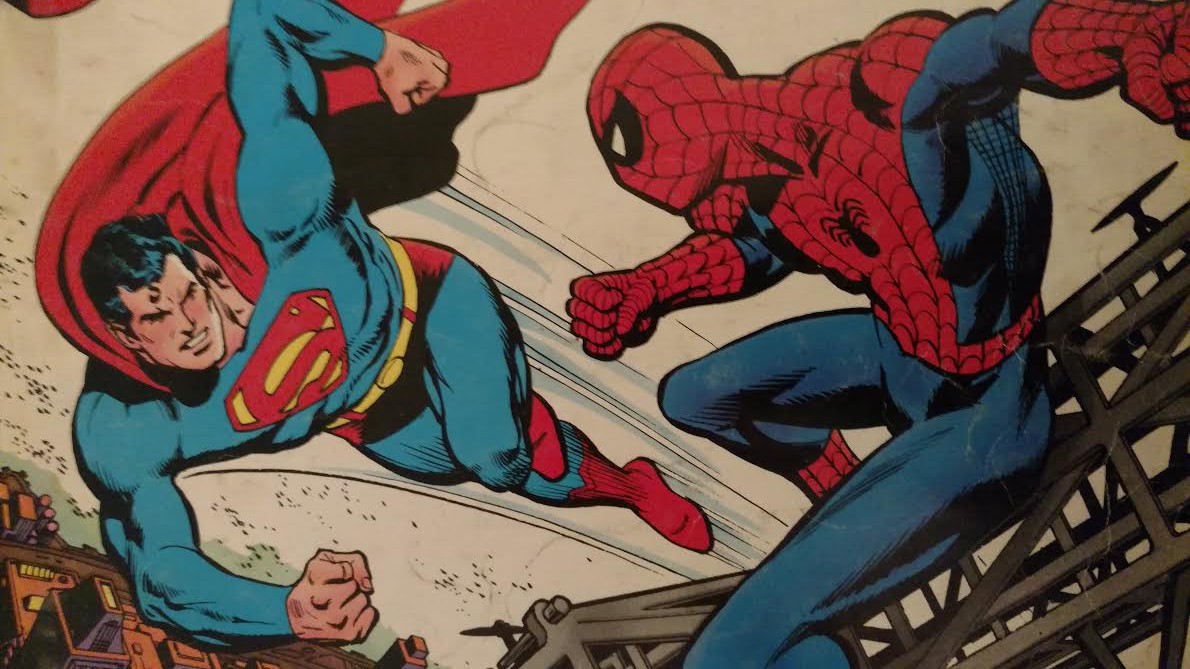
The Superman/Spider-Man movie hasn’t happened yet, but you never know.
There are a lot of superhero movies coming out in 2016 (and 2017… and 2018). Marvel has a bunch of superhero movies coming out. DC has a bunch of movies being released too. As much as the general public love superhero movies, at some point the novelty is going to wear off. And when it does, the superhero movie bubble will burst.
As a former comic book fanboy, I would have loved this superhero movie glut 40 years ago. When I was a kid, there were no superhero movies, except for the cheesy Adam West Batman movie that local TV stations played on Sunday afternoons. Other than that, there was only the Lynda Carter Wonder Woman and Lou Ferrigno as The Incredible Hulk. Lynda Carter and Lou Ferrigno were great, but their shows were low budget. I wanted to see Hulk smash cities, and all he did was lift up trucks and throw bikers around. It’s only been in the last couple decades that it was possible to make a superhero movie look good.
Even when comic books started getting turned into movies, most of them sucked. Superman and Superman II with Christopher Reeves were pretty good, but Superman III and IV sucked. Batman with Michael Keaton was okay, but the other ones sucked (to varying degrees). 1990’s Marvel movies (like The Fantastic Four and Captain America) sucked so bad that they didn’t even make it into theaters.
The first Marvel superhero movie to not suck was X-Men. I remember, that was my first comment when I walked out of the theater in 2000(?).
“Jimmy, what did you think?” a friend asked after we had watched the movie.
“It didn’t suck.”
That was my version of a thumbs up. Back in the late 1990’s, the only thing that didn’t suck was the TV show Buffy the Vampire Slayer. But I was a very hyper-critical fanboy back then.
Some comic collectors think “fanboy” is a derogatory word. I understand. Fanboy rhymes with manboy, and manboy describes a lot of comic collectors. I was a fanboy for a long time. Then I got married and had kids. I just lost interest in comic books. It wasn’t my wife’s fault. Some fanboys blame their wives (or girlfriends), but I just reached a point where I had read too many comic books. But that fanboy part of me still exists, and I get excited whenever a new superhero movie comes out.
Some non-fanboy moviegoers don’t understand these new movies like Batman vs. Superman: Dawn of Justice or Captain America:Civil War where superheroes fight each other. Superheroes have been fighting each other in comic books for decades. Superheroes love to fight because they have all the testosterone that fanboys don’t. After superheroes are done fighting each other, they team up to beat up the bad guy, so everything is usually okay at the end.
Some fanboys say it’s better to have too many superhero movies than not enough. I understand that. For most of my life, there weren’t ANY superhero movies, and I prefer the way things are now. Still, I remember what happened in the early 1990’s when there were too many comic books. I eventually stopped buying them. And that could happen with superhero movies. If it were just one comic company involved, it would make sense for them to bring out the movies slowly. But with Marvel and DC competing, they almost have to push faster than the other. And that will create the superhero movie glut, and then the bubble will burst.
Every bubble bursts. The stock market bubble always bursts. Energy bubbles burst. Technology bubbles burst. Property bubbles burst. Even comic book bubbles burst. Back in the 1990’s, comic book companies went crazy, publishing way too many titles. There must have been 10 different Batman comics every month, 10 Superman comics a month, 10 Spider-Man comics a month. If a character was popular, he/she had 3-10 comics out each month. It was impossible to keep up. Fanboys started speculating, thinking that these overprinted issues would be worth something. And then the comic bubble burst, and a bunch of titles got cancelled, and all those overprinted 1990’s comic books were worthless. I’m no economist, but even I understood economic bubbles.
When it comes to comic books and movies, I’m not taking sides between Marvel and DC. I’m partial to Marvel, but I don’t care enough to defend my opinion. If a DC fanboy says Marvel sucks, I don’t care. Arguing about comic books is almost as pointless as arguing politics. The only fanboys I argue with are the Rob Liefeld fanboys. I openly mock the Rob Liefeld fanboys when I see them at comic conventions. I don’t go to comic conventions often anymore, but when I do, I make sure to mock the Rob Liefeld fanboys.
Anyway, a Marvel-DC movie team up has to happen. If Hollywood could ever make a Superman/Spider-Man movie, I’d stand in line for it. I don’t even go to movies anymore, but I’d stand in line. I’d even wear a costume. It would have to be a Spider-Man costume because I don’t look anything like Superman, and I’d have to suck in my gut a little bit.
I’m too old to dress like a superhero, though. Maybe I could dress up like Stan Lee. Stan Lee hasn’t written a good comic book since maybe 1969, but who cares? I’d still dress up like him if I was in line for a Superman/Spider-Man movie. I could grow a cheesy mustache and wear corny sunglasses and shout “Excelsior!” every once in a while.
And if Hollywood keep churning out superhero movies at this clip, they’ll have to make a Superman/Spider-Man movie just to keep the public’s interest.
*****
What do you think? How many superhero movies are too many? Which superhero movie are you looking forward to the most?

Once you’ve been busted laughing at a racist joke, you can’t take it back. (image via wikimedia)
My family was watching a movie from the 1970s, and a white character made a racist joke/comment to a black comedian who said something racist back. I laughed, and then noticed I was the only person in my family who laughed. My youngest didn’t get the jokes, my wife wasn’t paying attention, and my oldest daughter looked at me shocked.
“Dad, that was racist,” she said.
She was right, but I remember seeing this movie as a kid, and everybody in the theater had laughed, and nobody had called the joke racist, so I never thought about it. I don’t remember the demographic makeup of the theater that night 40 years ago. I lived in a military town, so it was fairly diverse, and it was a popular movie, but maybe there was some cringing and I just didn’t see it. When you’re 10, you don’t notice cringing in the movie theater.
To be up front, I’m an old white guy. I might not be “old.” That depends on your definition of “old.” But I’m very white. I am everybody’s definition of white. When it comes to race, nobody wants to hear the white guy’s opinion, and I understand that, but I can’t change my whiteness (I COULD try, but I’d be accused of misappropriation), and it’s my blog, so who else’s point-of-view can I have?
Anyway, when you’re white and you laugh at a racist joke, you can’t take it back. If someone is offended by your laughter at a racist joke, no excuses are any good. If you call the offended person oversensitive, the offended one will double down (especially if he or she really is oversensitive). You might try to lie and say you were laughing at something else, but nobody will believe you. I was stuck. I had laughed at the racist joke, and I was busted.
I tried to explain to my daughter that people laughed at racist jokes 40 years ago when the movie had come out. But it was tough to explain why, without just saying “Everybody was racist,” which by today’s standards might have been true.
Saying “That’s just how things were” is lame. It sounds like an excuse, even if it’s just a reason. Back then, stereotype humor was normal, and every group was made fun of. There were a bunch of jokes based on stereotypes of the Brits, the French, Germans, Italians, Greeks, and Eastern Europeans. There were jokes about blondes and red heads. The racist jokes were the worst, and everybody knew they were the worst, but so much humor was based on stereotyping groups (race, gender, ethnicity) that a lot of people didn’t think about how it offended others.
I’m not even certain what’s racist anymore. A couple weeks ago a black comedian made a joke about Asians during a Hollywood award show, and a lot of people laughed, but I didn’t. I didn’t think the joke was funny (and the delivery was poor). Even though I thought the joke was racist (I would have gotten fired from my job if I had told it), it didn’t get much media attention. If there was any outrage, I didn’t hear about it.
Maybe the black comedian’s joke wasn’t racist. I’ve heard it explained that racism today is based on power structure and that people not in power are incapable of being racist. Since some groups are part of the institutional power structure and others aren’t, groups who aren’t in the power structure can make negative race-based comments without being actually racist.
I’m not sure I buy that. It sounds to me like some people just want to make racist comments without being accused of racism.
Anyway, I’m not saying people don’t tell racist jokes anymore. It’s just not mainstream (except maybe on Hollywood award shows). If people still tell them a lot, I don’t see or hear them. They’re probably used by trolls in the comments sections of some websites, for example, but you probably don’t see them in the original article/video.
I’m not saying that racist jokes were good. I’m not yearning for “the good ol’ days” when we could tell racist jokes without repercussions. I’m just trying to explain to my daughters how things used to be different without justifying it.
“If racism is bad, why do you laugh at racist jokes?” my daughter asked after the movie was over.
“I don’t laugh at racist jokes,” I said. “I laughed that one time, and I caught myself.”
“Why did you laugh if it was racist?”she asked.
“Uuhhhhh…. It was a comedy,” I stammered. “I wasn’t expecting to think about racism during a comedy.”
“Why was it in the movie?”
“Uuhhhh…. Because stereotype humor is easy. It’s low brow, like sex jokes, or puns, and memes.”
“Why didn’t anybody tell them not to put that in the movie?”
“Uuhhhh… Because jokes like that were common back then. And not everybody has a sophisticated sense of humor like me.”
I looked at my wife who continued to stare at her phone. Explaining racist humor was worse than discussing the birds and the bees. When talking about controversial issues, there’s only so much a parent can take. I finally got tired of trying to explain the unexplainable (inexplicable?), so I sent my daughter to the den to finish her homework.
She had to read two chapters of To Kill a Mockingbird. I remembered some humor in the book, and I remembered racism, but I didn’t remember any racist jokes.
******
For more “Old Things That Are Tough To Explain,” go to Old Things That Are Tough To Explain: The Home Page.
*****
Swearing isn’t as bad as telling a racist joke, but still…
Saying “Sh*t!” is pretty bad.
Saying “F#ck!” is worse.
But “Crap”?
Only 99 cents on Amazon!

It’s a funny title. But is it a lie?
Sometimes it’s easier to choose a nonfiction book than a novel. So many factors go into choosing a novel: the author, the plot, the writing style, the length of the book, the cover. Nonfiction is easier. A reader usually knows right away if he or she wants to read a particular nonfiction book.
Below are the best selling books in nonfiction (according to the New York Times) so far for March, 2016:
- WHEN BREATH BECOMES AIR, by Paul Kalanithi
It’s tough to say anything bad about a book when the author died from the lung cancer that he was writing about. This memoir could be inspirational or a downer (or both), depending on what mood you’re in. 1% of Amazon reviewers gave it a one-star rating. If I had read it and thought it deserved one star, I probably just wouldn’t have rated it. Even if you didn’t like this book, I wonder about a person who’d give this a one-star review.
2. BETWEEN THE WORLD AND ME by Ta-Nehisi Coates
The New York Times describes this book as “a meditation on race in America.” The word “meditation” implies calm. I’ve never heard a calm discussion about race in America, unless all the participans agree with each other. It’s better to write about race in America than to talk about it because people always interrupt each other and start yelling. If you try to interrupt Ta-Nehisi Coates while reading his book, he won’t hear you, but he won’t interrupt you back either.
3. DARK MONEY by Jane Mayer
Sometimes a title gives away the author’s biases. Dark Money: The Hidden History of the Billionaires Behind the Rise of the Radical Right makes the author’s opinion of her subject really clear. Whatever you think about politics or the Koch brothers, you know the approach the author is going to take with loaded words like “dark money” and “radical” in the title.
I don’t like my own last name, but at least it wasn’t Koch. Koch has to be a lousy last name when you’re growing up. The Koch brothers probably had to spend most of their childhoods saying stuff like “It’s pronounced Coke! It’s pronounced Coke!”
4. PLAYING TO THE EDGE by Michael V. Hayden
A former CIA director tries to explain himself and his policies. Nobody trusts a former CIA guy, not even the CIA. I usually don’t read memoirs because authors leave out stuff that is unflattering to them. And if anybody is going to leave out stuff, it would a former CIA director. The book might be an interesting read, but I wouldn’t trust it.
5. SEVEN BRIEF LESSONS ON PHYSICS by Carlo Rovelli
I hope this is brief. One brief lesson on physics is difficult enough, but seven? Seven lessons on physics, even if they’re brief, can still leave me with a big headache. The good news is that the book is only 88 pages. That makes about 12 pages per lesson. That’s still a bit long for me, but okay.
6. EVICTED, by Matthew Desmond
Landlords vs. tenants is always going to be a problem. Throw in low incomes and a housing crisis, and things are really bad. This book could be another downer. If it’s well-written (and it sounds like it is from the reviews), then it’s really a downer.
7. AMERICAN GIRLS by Nancy Jo Sales
The author interviewed hundreds of girls and discusses the effects of social media. I have two daughters and have seen some effects of social media. It’s tempting to read this book and see if the author’s findings are the same as mine.
One observation I have is that girls today look down while they walk because they’re checking their phones. Generations ago, girls looked down because they were taught to be submissive. Either way, girls shouldn’t look down when they walk.
8. A MOTHER’S RECKONING by Sue Klebold
This book seems like a bad idea. Columbine is a depressing topic, and if I’m going to read a book about Columbine, this probably isn’t the point of view that I want. This author has it tough just like everybody else who had kids at Columbine, but still… it just seems like a bad idea.
9. THE NAME OF GOD IS MERCY by Pope Francis with Andrea Tornielli
The author interviewed Pope Francis and made a book out of it. You can’t do that with many people. Most interviews would go into a magazine or website. But the Pope?
If I had the chance to interview the Pope, I wouldn’t know what to say. I’m usually uncomfortable talking to other people about religion. It’s very personal.
10. THE ROAD TO LITTLE DRIBBLING by Bill Bryson
Supposedly, there is no place called Little Dribbling in England. That kind of ticks me off!
This is supposed to be nonfiction, but Bryson uses a fictional name in his book title? There should be a rule, if you’re writing nonfiction, you can’t have a made up name in your title. I’m sure there’s a town in England with an equally funny name.
Maybe this book is good. Maybe there’s a logical reason why the author would use a fictional name for his nonfiction title. Maybe there is, but I won’t find out by reading it. I’m stubborn like that.
*****
What do you think? Which current nonfiction best seller would you most likely read? Is it just my imagination, or are a bunch of these nonfiction selections downers?

Maintain eye contact, and control your gestures. (image via wikimedia)
You don’t have to be an introvert to hate speaking in public. Even extroverts, who can energize themselves with hours of endless conversations, get terrified of speaking in front of a large group. Fear of public speaking might seem irrational, but nobody likes being over-scrutinized, and if you’re giving a speech with a bunch of people staring at you, it can feel scrutinizing.
There’s a lot of advice about giving speeches/presentations, but most of it is vague. An introvert like me appreciates concrete, specific advice. Stuff like “Be yourself” is worthless because there’s no way to just be yourself. People always tell me to lighten up or to have more energy, but then when I try stuff like that, I come across as insincere. When I get advice, I want concrete advice. I want strategies where I either do something or don’t do something.
It was my own fault that I had to make a presentation last week. The previous week, I had decided to speak like Donald Trump during a meeting at work and I talked myself right into giving this presentation. I have to admit, it felt good to act assertively and pretend that I knew everything. I’m fairly competent at my job, better at it than a lot of my coworkers, so it makes sense that I would give the presentation. But I’m a quiet guy who would rather mock the person in the spotlight than be in the spotlight.
When it comes to public speaking, I have a few built-in disadvantages. I have a monotone voice that puts people to sleep (except when I talk like Donald Trump). When I try to add inflection, I sound phony. I also gesture too much. However, I have some built-in advantages. I’m usually aware of my surroundings, so I can gauge my audience’s reactions. I’ve also sat through enough bad presentations to know what mistakes NOT to make. Even though I’m not a natural gifted speaker, I knew enough to go through a few basic steps to prepare myself for a meltdown-proof presentation.
Practice the speech the night before.
It took a lot of work and preparation to do this. I wrote the speech out ahead of time, put the basics on note cards (yes, I still use them), and practiced before I went to bed. I slept pretty well that night.
Do not start the speech with any variation of “GOOD MORNING, VIETNAM!!!!”
That movie came out almost 30 years ago, and I’ve seen people still begin presentations like that. Only Robin Williams could get away that, and I’m pretty sure even he knew it was annoying.
Also, do not start with “Good morning. I can’t hear you.” If people don’t want to say “Good morning” in unison to you, don’t worry about it. I didn’t even start with good morning in my presentation. I was nervous (never admit to the audience that you’re nervous) and it would have sounded insincere.
Instead, I said “I’m Jimmy from the ____________department, and I think we have a way to make our professional lives a lot easier.”
As an opening sentence, it’s pretty stale, but I had my video ready (which I’ll discuss later). If Moby Dick can start with “Call me Ishmael,” I can start with “I’m Jimmy.”
Keep it short.
The audience appreciates short. An audience will forgive a bad presentation if it’s short. An audience will hate you if you take too long, even if you’re a gifted speaker (which I’m not). If the speech is too short, and the audience keeps asking questions, that’s the audience’s fault for asking questions. You did your job by keeping the speech short.
Avoid saying things like “Umm,” “Uhh,” “Uhh, okay,” or “Alright.”
Instead, say nothing. It’s okay to pause occasionally. The reason I volunteered was because Ron (the usual presenter) reads from the powerpoint and then says “Uhhh, okay” after he’s done. I practiced speaking without the powerpoint, and I paused whenever I had to think. Awkward silence is better than saying a “Uhhh, okay.”
Try to save questions from the audience until after the speech.
Random questions can slow down the speech, even if they’re good for clarification. The only exception is if a really powerful/important person asks. During my presentation, one of my boss’s bosses raised his hand, and I said: “Normally I don’t take questions until I’m done, but you have the power to fire me, so I’ll make an exception.”
It was a tense moment, but he laughed, so everybody else laughed, and I kept my job. Plus, I answered his question to his satisfaction. It took me a moment to regain my thoughts, but I stood still and used it as a dramatic pause. I didn’t say “Uhhhh,” or “Where was I?”
Use technology.
It’s the 21st century, so you usually don’t have to rely on yourself to get your message across anymore. Power-points, videos, and cool graphics can make you look more competent than you really are. Technology can cover a lot of your flaws, but only if you use it properly.
Check technology ahead of time.
If possible, get there before your audience does and make sure everything works. It’s better to take care of technology issues before the audience is there. If something goes wrong during the presentation, have a back up plan so you can talk while somebody else fixes the problem.
If possible, start with a funny video.
I’m not funny in speech-like situations, but I’m a decent gauge of humor. I started off with a quick humorous 90 second video that illustrated a problem similar to the one I was addressing. The audience laughed, and I led in with my introduction. It was about three minutes before the first person yawned. For me, that was pretty good.
Stand away from the podium, stage, or power-point screen and walk around if you are allowed.
I walked around the conference room while I spoke, making direct eye contact. When I made eye contact, attendees put their phones away, even the millennials. Plus, walking kept me from reading the power-point. If you are standing to the side or the back, nobody notices if you are checking your notes. If they notice, they don’t care because (from their point-of-view) at least you’re not making eye contact with you. Most audience members hate making eye contact. I do it anyway. If I’m uncomfortable speaking, I want the audience uncomfortable too. Plus, it keeps them from falling asleep.
*****
Just so you know, the presentation went well. I kept it to about 15 minutes, even with questions. I think I covered about 8-10 minutes of information in 15, and that’s a pretty good time-info ratio. Ron, who usually does the presentations, said I should have stood in front of the audience more, and I responded to him by saying, “Uhhh, okay,” just as he does every time he finishes reading something from a power-point. If moving around was the worst thing I did, I’m fine with that.
*****
I know there’s a lot more to giving a speech than what I’ve listed, but this is the guide that helped me get out of a bind. What advice do you have for somebody who is about to make an important speech?
*****
I wrote a story. I read it to my class. And then a bunch of weird stuff happened.
Only 99 cents on the Amazon Kindle!

It’s a best seller and a Pulitzer Prize winner. Somebody out there HAS to hate this book.
Reading a current best-seller list is like scanning the television guide; we might not watch/read everything, but it’s good to know what’s new. Even though the new best-selling novels are too expensive to buy right now, the high prices won’t last forever, and I like to plan ahead. By reading the March 2016 best-sellers list, I can see what I’ll want to read in March 2017.
- All the Light We Cannot See by Anthony Doerr-
I’m surprised this novel doesn’t get more negative reviews. It’s a #1 best seller, and it’s won (or received) the Pulitzer Prize for Fiction 2015. When a novel hits #1 or wins a Pulitzer, a bunch of contrarians start griping about how it’s overrated. This novel is both. How can it NOT be considered overrated? Where are the contrarians?
Maybe the book doesn’t deserve any negative reviews, but that’s not the point. No matter how great a book is, the contrarians must come out once it reaches a certain point of success.
Contrarians, I’m disappointed in you.
2. A Girl’s Guide to Moving On by Debbie Macomber-
This is a best-selling novel written by a best-selling author, but it sounds like a blog title. I read a lot of blogs, and I’m sure I’ve seen that title before. I’ve written blog titles like that, except for the word girl or the words moving on. I’m not a girl, but I’ve been told that I write like one. I’m not sure what that means.
Obviously, nobody agrees with me about the bloggish title of this novel because the book is #2 on the best sellers list. Congratulations, book with a blog title!!
3. The Girl on the Train by Paula Hawkins-
Here is proof that success brings out the contrarians. The Girl on the Train has been a best seller for months, but almost everybody I know says it’s not that good. Maybe they say that because it’s not that good, or maybe they say that because their expectations were so high for a book that’s been on the best seller list for so long.
People I know keep saying it’s overrated, but it keeps selling. I wish I could write a book that was overrated.
4. The Nightingale by Kristin Hannah-
Here’s the second novel on this list to be set during World War II. I’d write a novel set during World War II too, but then I’d have to do research, and I’d probably mess something up. In my book, partisan fighters would tweet out Nazi troop movements, or POWs would escape while German soldiers were staring at their phones.
In my memory, people have been staring at their phones all my life. I’ve only been staring at my phone for five years, but I swear I have memories of me staring at my phone in elementary school (in 1971). I’d better not write a novel set during World War II.
5. Go Set a Watchman by Harper Lee-
Harper Lee passed away last month, but her rough draft is still a best seller. It may even remain on the best seller list longer than The Girl on the Train. Maybe this is morbid of me, but it’s kind of too bad that Harper Lee didn’t publish her rough draft earlier when she could have enjoyed the success that it’s having. I mean, I guess it’s good that her estate will still make a lot of money off it, but maybe it would have been better if it had been discovered when…
Never mind. It’s probably morbid of me.
6. Cometh the Hour by Jeffrey Archer-
This is book 6 of a 7 book Clifton Chronicles series. The blurb mentions a bunch of characters, so it sounds like you have to read the first five books to understand the sixth book. Maybe the series is pretty good. It probably is, but I don’t read a book series that goes over three books anymore, and if I do, I don’t start until the author is completely finished. When book 7 of the Clifton Chronicles cometh, I might read book 1.
7. Wedding Cake Murder by Joanne Fluke-
This is a food murder book. I think food murder is a horrible idea for a book series. I thought Sue Grafton’s alphabet mystery series was a horrible idea, but this is worse. There are already 19 food murder books by this author (and I don’t want to make any bad puns with the author’s last name). I don’t care how many successful food murder books this author writes, I still think it’s a horrible idea. I’m never going to change my mind. I’m open-minded about many topics, but food murder books is not one of them. I cannot change my mind on this.
I need to apologize to Sue Grafton.
8. My Name Is Lucy Barton by Elizabeth Strout-
This book is a bad role model for students. My two daughters have been told by their English teachers not to start off their compositions with “My name is…” Now a best-selling book title starts with “My Name Is… How do I explain this to my daughters? Maybe I should tell them to title their essays “My Name Is _________” and see how their teachers respond. I hate it when famous authors use writing techniques that our English teachers told us not to use.
On the other hand, I like titles that are complete sentences.
9. Brotherhood in Death by J. D. Robb-
J.D. Robb sounds like a guy, but she’s a woman. Evelyn Waugh sounds like a woman, but he was a guy. Robert Galbraith sounds like a guy, but she’s J.K. Rowling, who also sounds like a guy but is really a woman. I know that gender shouldn’t matter when a reader is selecting a book, but c’mon. An author shouldn’t try to deceive his/her readers like that. If a guy wants to read a book written by a guy, he should have that choice without looking up an author’s name on the internet to see if he or she is cheating.
10. NYPD Red 4 by James Patterson and MARSHALL KARP-
I’m pretty sure MARSHALL KARP did most of the writing, and the other author will get most of the money, so I’m trying to help out MARSHALL KARP as much as I can. I’m not going to read NYPD Red 4 by MARSHALL KARP because I don’t like the scam that the other author is pulling, but maybe MARSHALL KARP can start publishing his own novels soon so that MARSHALL KARP can start getting credit for what he writes.
*****
These are the top ten best selling novels so far in March. Which one are you most likely to read? Is a Pulitzer Prize winning novel automatically overrated? Do you have memories of staring at your phone before staring at phones was possible?
*****
Here’s the reason why I like a book title that is a complete sentence.
Now only 99 cents on Amazon!

You don’t have to read a book written by Donald Trump to learn how to talk like Donald Trump.
This week I saw a bunch of clips of Donald Trump talking. I wasn’t trying to see them, but they were unavoidable. I was in an environment with lots of televisions, and all of them were in various stages of Donald Trump. I had to admit, Trump could work a crowd. Even though I’m a quiet guy, I almost admire his brash performances, and I wondered if I could use a little of that bravado in my own life.
This doesn’t mean I’ll vote for Donald Trump. I rarely tell people whom I’ll vote for. I understand why people like him, and I understand why people hate him too. Don’t get me wrong; I’m not wishy-washy about Donald Trump. I couldn’t talk like Donald Trump if I were wishy-washy. I have strong feelings about him, but this isn’t that kind of blog.
At first, I thought speaking like Donald Trump would be difficult because I’m a quiet guy, and I usually speak in a deliberate way. If anything, I speak like President Obama, with lots of “Uuuuhhs” and “Uuummms.” I’ve never said “Let me be clear” or “Let me be frank,” but I say stuff like “Does that make sense to you?” Nobody has ever compared me to President Obama, and I’m pretty sure I’m unelectable.
My first rule is to never speak like Donald Trump to my wife. If I did, she’d probably divorce me, and she’d have grounds. Any judge would decide that “speaking like Donald Trump” is worse than any irreconcilable difference, and I’d lose everything, including visitation rights.
I decided to try a bit of Donald Trump at a morning meeting at work. I was the oldest one there, but I was also the quietest. I probably should speak more in meetings, but I prefer one-on-one conversations where I can gauge reactions better. When there’s a bunch of people, my mind can’t process as quickly because I see everything else around me. If a guy is picking his nose while I’m talking, all I see is the guy picking his nose, and it scrambles my thoughts.
Eight of us sat at a long rectangular table in a bare room with no windows. The boss at the head of the table was a woman in her early 30’s. A millenial from a prestigious university sat to my right, and a millenial from another prestigious university sat across from me. There were a few other people there, but none of them mattered, as far as this conversation was concerned. I would never say/think that somebody didn’t matter. Everybody matters (and I don’t mean that in a political way that could offend certain demographic groups).
Anyway, the meeting was going nowhere. Our department had to make a presentation, and nobody agreed on anything. The two millenials were having a repetitive disagreement, each one repeating “What I’m saying is that….” And “What I mean is that…” I despise repetitive arguments in meetings. I’ve wasted months of my life listening to repetitive arguments during meetings.
This was the time to speak up. It was time for Donald Trump to intervene.
“Both of you are awesome (that was a lie),” I said, patting the millenial next to me on his shoulder.
(Just so you know, if it’s in parenthesis, I didn’t really say it.)
I continued. “You guys are actually trying to figure this out instead of staring at your phones (I would have preferred them staring at their phones). That’s great (it was annoying because they didn’t know what they were talking about).”
Everybody stared at me. One woman was actually open-mouthed.
“I’ve been here a long time. I’ve been here through five company presidents and 17 bosses.” I nodded to my current boss. “You’re the best boss I’ve had (the jury is still out on that). You’re great (she’s okay). You’ll actually listen to what we say (I wasn’t so sure at the time). That’s why I’ll tell you what we should do.”
I can’t tell you what my plan was, so I guess that makes me like Donald Trump too. If my bosses found out I had a blog, I could get fired, so I have to be careful about what I write. At any rate, I explained what to do, and my boss liked it. I’m not a genius. I just have enough experience to know what has worked and what hasn’t worked, and I combined the what has worked but has been forgotten and I dropped all the stuff that hasn’t worked but people still keep trying. If that doesn’t make sense when you’re reading it, it makes sense in my brain.
When I was done explaining, there was a moment of silence.
“We have to deal with the _______ department,” the millenial coworker next to me said, now staring at his phone.
“Those guys love me (they barely know me),” I said. “We get along great (true, but that was because we hardly ever talked). I can have them give us their report just like that (maybe, but I wasn’t sure). It will be so fast, it’ll make your head swim.”
“Spin,” the millenial said.
“What?” I said.
“It’s ‘spin, it’ll make your head spin,’” he said, still staring at his phone.
“I’m doing your work for you,” I said. “If the guy doing your work for you says it’s ‘make your head swim,’ then it’s ‘make your head swim.’”
Then I paused. “And get off your phone. It’s rude.”
The millenial shrugged and put his phone down.
“Ron always does the presentations,” my boss said.
“Ron is great, but he’s not here,” I said. “I don’t think he needs to feel rushed right before the big show.” Looking back, I probably should have pushed the presentation on Ron because he doesn’t mind doing it, but he reads from the powerpoints, and I can’t stand that.
“You’ll do the presentation?” my boss said.
I knew what everybody was thinking. The dry heave. Everybody had heard about the dry heave. 15 years ago, I’d had to speak in front of a large group, and I dry heaved right before it. Luckily, only a few people saw it, and I gave a decent presentation, but I still had a reputation after that. I was good for research, organizing, and proofreading, but keep me away from a crowd.
“I didn’t dry heave (that was a lie),” I announced to the group. “I had a stomach virus that day (also a lie). And I kept everything down (that was because I’d been so nervous that I hadn’t eaten anything for 12 hours before). And I still nailed the presentation (it was okay). The guy who spread the dry heave rumor got let go a year later (true but irrelevent), and I’m still here. Do you think I’d still be here if I dry heaved?”
The answer was yes, because I had actually dry heaved, but there was no video footage of the event, and all the witnesses had moved on. As far as I’m concerned, if there’s no video, then it didn’t really happen.
As I walked out of the conference room, I said to my boss, “We need a helicopter.”
I said “we” because I’m not the owner, and even though I was talking like Donald Trump, I couldn’t be exactly like Donald Trump. I know I can’t have my own helicopter. But the company should have one.
“Why?” she asked.
“Traffic is horrible,” I said. “It would be easier to get to all the good restaurants with a helicopter.”
“You eat lunch in your office,” she said. Technically, we weren’t supposed to do that, but I never left crumbs, so the powers-that-be leave me alone about it.
“If we had a helicopter, I wouldn’t have to eat lunch in my office,” I said.
“You’re crazy,” my boss said. It’s probably not good for my boss to think I’m crazy, so I let the conversation end there.
So now I have a presentation on Monday. I can do it, but it’s been a long time, and there’s a lot on the line. My boss and several of her bosses will be watching. Donald Trump doesn’t have bosses, so speaking like him might not help. The last time I did a presentation, the powers-that-be decided not to have me do presentations anymore. After all, I had dry heaved. A lot of decisions (including my job security) will be made because of my presentaion. It’s a lot of pressure. It’s been a while since I’ve had to handle a lot of pressure.
I think I’ll call in sick.
*****
Purchase these books on Amazon! They’re cheap, and they’re great!

Yeah, my zipper is down, but why are you looking at it? (image via wikimedia)
Today was a good day until I realized my zipper was down. It was right after lunch, and I was still wired after a couple late morning cups of coffee. A bunch of co-workers had gathered into an office, and everybody was talking politics. Usually I stay out of these conversations because they can go bad very quickly, but I made a risky humorous comment about one of the presidential candidates, and everybody laughed, including people who liked that particular candidate. I was feeling pretty good afterward until I walked past a mirror and noticed a gap in my pants.
What the hell?
I didn’t say “What the hell?” but it was a “What the hell?” moment. It’s best to keep quiet during a “What the hell?” moment. If you say “What the hell?” out loud, everybody will notice, but if you keep quiet, it’s possible to escape with dignity. At that point, there was nothing I could do anyway. Dignity was out of the question.
Everybody who could have noticed had probably already noticed, so I simply fixed the problem right there and moved on. But I was ticked off, and I had good reason to be. First of all, nobody had told me about the zipper during the political discussion in the office. I know everybody in the office saw it. They couldn’t have helped but see it. I had been standing up front for everybody to see.
I can understand why no women pointed out my zipper. It would have been an awkward moment. Plus, an obnoxious guy might have said: “Why are you looking at his zipper?” No woman wants to have that conversation. But guys should bail other guys out. I believe in same-gender bailouts. A guy should pretend to not see a woman’s wardrobe malfunction (and vice-versa), but guys should rescue other guys.
A few years ago, I told another co-worker about his open fly. I mumbled my warning to him as I passed him in a lobby, and he swung his briefcase in front of him and quickly turned a corner. When I saw him a few minutes later, he gave me a nod. I like to think that I saved his reputation that day. I’m kind of ticked off that nobody paid it forward for me today. I got shafted on the pay it forward.
Pay it forward is such a crappy concept because it relies on other people reciprocating a good deed (instead of doing something just because it’s right). If my co-workers can’t tell me that my fly is down, then they can’t be trusted with the concept of pay it forward. Maybe I should intentionally walk around at work with my zipper down just to see who tells me. Then I know whom I can trust. But that can backfire. If nobody tells me, then I’ll have the reputation at work as the guy who walks around with his zipper down. That might be my reputation already, and I just don’t know it.
I’ve had other bad malfunctions in my life, and they haven’t always involved the wardrobe. In high school when I asked a girl to prom, I had something hanging out of my nostril and didn’t know it until our conversation was over; the girl didn’t say anything to me about my nose malfunction, and she said no to the prom date. I think she told her friends because several girls smirked at me the next day. About a decade ago, I had broccoli stuck in my teeth for about an hour after lunch. Broccoli in the teeth is gross, so that’s worse than a zipper. Luckily, I’m a quiet guy, so I don’t talk much, and only a few people would have noticed the food malfunction, but that’s still worse than a zipper.
I’m also ticked off because now I think my co-workers weren’t laughing at my political quip. They were laughing at my zipper. It bugs me that my sophisticated commentary was ruined by a low-brow malfunction. Then again, maybe my comment wasn’t as bipartisanly funny as I thought it was. Maybe it was actually biased, and the only thing that saved me was my zipper. Perhaps my zipper saved my office from becoming politically fractured. I’ve worked in a politically fractured office before, and it’s not fun. People usually get fired, and if you’re on the wrong side politically, you’d better get your resume ready. Maybe my undone zipper saved jobs.
Even if that’s true, I’m not sure how I could have forgotten to take care of my zipper. It’s usually automatic. It’s like walking out of my house without shoes. I’ve never walked out of my house without shoes. I’ve never lost my keys or my wallet or my phone either. I’m a man of routine, and one of those routines involves pulling up the zipper whenever I put on pants. If I start forgetting my zipper, I don’t want to know what’s next. The zipper is fundamental.
I don’t think I need to worry about a declining mental state just because I forgot my zipper, though. I have a lot on my mind. My job keeps me busy, I have a family to take care of, and I try to keep up with reading, writing, and watching TV too. It’s a lot to keep track of. With so much on my mind, I’m lucky it’s just my zipper that I forgot.
Even so, I really hope this was a one-time deal. And if it’s not, I hope somebody tells me next time.
*****
How would you tell somebody that his zipper was down? What other malfunctions could cause an awkward situation? How many times should a person pay it forward without being being paid forward before giving up?
*****
After more than ten years of blogging, I’ve finally written a novel.
A grammar-obsessed English teacher falls in ‘luuuvvv’ but discovers how chaotic and dangerous ‘luuuvvv’ can be.

The Sunset Rises: A 1990s Romantic Comedy is now available on Amazon and from the trunk of my car at various local bookstores… until parking lot security kicks me out. Buy it now while supplies last!
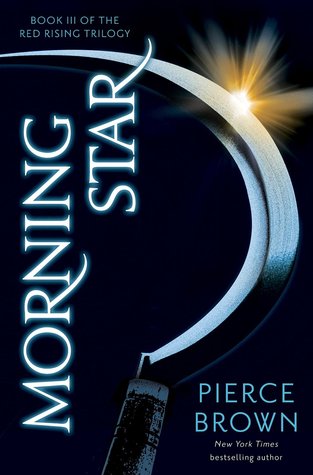
A sideways title always makes your cover stand out from the crowd.
Nobody complains about how digital books are destroying the publishing industry anymore. At least, if people still say it, I don’t hear about it. I haven’t noticed anybody in a long time complain that ebooks are killing paper. I haven’t heard anybody complain about the demise of old stores like Borders or Walden’s or B. Dalton Book Sellers. Everybody seems to have ereaders of some sort, even the traditionalists who a few years ago claimed they would never read a book from a screen.
Since digital reading is more accepted than it was a few years ago, the best way to judge book sales (to me) would be the combined ebook and print best seller lists. I like to read best seller lists, even if I don’t always read best sellers. It’s good to keep up with trends so that when I don’t follow them, I can brag that I read what I want and not what’s on a list.
Here are the top selling books (ebook and print fiction) so far for February, according to the New York Times:
- Morning Star by Pierce Brown-
It’s Book 3 in a dystopian trilogy, so it already sounds kind of familiar. Dystopian future? Trilogy? Is the trilogy automatic in a dystopian future novel now? What if an author proclaimed: “I can tell my dystopian future story in ONE book?”
The publishers probably wouldn’t go for it. But I might read it. There has to be a market for self-contained dystopian future novels.
2. Find Her by Lisa Gardner-
From the title, I guessed that this was about a female (maybe a child) who has been kidnapped. Then I read the blurb and found out that the victim has been kidnapped twice. That’s a lot to give up in a blurb, so I’m guessing there’s a whole lot more than just a simple kidnapping. Maybe she wasn’t even kidnapped the second time? Maybe she’s got multiple personalities? Maybe I need to read the book to find out what happened?
3. Me Before You by Jojo Moyes-
The covers get mocked because they all look the same, but Moyes’s books sell. I’m a 50-year-old guy, so I’m probably not in Moyes’s target audience anyway, so my opinion of her book covers doesn’t matter. Actually, I don’t have anything against her book covers. I’m impressed that she can get away with recycling the same cover repeatedly.
4. Brotherhood in Death by JD Robb-
According to the blurb, the main character gets conked on the back of the head at the beginning. I’ve been conked on the back of the head before, and it’s no joke. In fact, it’s kind of traumatic. I’m not sure I want to read this book and relive that experience. I hope the author interviewed conked-on-the-head victims because it’s not something you just get over.
The detective’s name in this book is Eve Dallas. If you need to name a character, just throw in a city as a last name.
5. NYPD Red by James Patterson and some other guy-
The some other guy probably did most of the writing, so maybe I should know his name, but James Patterson has a lot of “some other guys.” “Some other guys” deserve more credit than they usually get. I’m a “some other guy” where I work (which has nothing to do with writing or publishing) because I’m good at getting other people promoted when they get credit for what I do. Maybe somebody someday will get fired for what I do (which hasn’t happened yet, but it could).
I should show more respect to those “some other guys” who help James Patterson write his books.
6. The Choice by Nicholas Sparks-
It wouldn’t be a best seller list without Nicholas Sparks. The movie version of The Choice was released a few weeks ago, but my wife hasn’t mentioned it, which is good because I’ve sat through enough movies based on Nicholas Sparks books. If I don’t have to go see it, then the movie doesn’t exist as far as I’m concerned, and I’m not about to ask my wife about it. A lot of people enjoy Nicholas Sparks books, and he seems to write them himself, so good for him.
7. Breakdown by Johnathon Kellerman-
This is one of many in the Alex Delaware series. If you need to name a character and you can’t think of a good city, then use a state as a last name instead.
Maybe JD Robb and Johnathon Kellerman can work together on an Eve Dallas meets Alex Delaware mystery/thriller.
I should have named myself after a geographical location. I like Seattle. I should have named myself Jimmy Seattle.
8. The Nightingale by Kristin Hannah-
A couple readers whom I know swear that this is a great book, and they don’t swear very often, so when they swear this is a great book, I take them seriously. A book about two sisters doesn’t sound like my kind of book, but it’s set around World War II, and it’s tough to mess up a book set around World War II. I mean, it COULD happen, but this book is supposed to be pretty good.
9. The Girl on the Train by Paula Hawkins-
This one has turned polarizing. Most readers claim to be disappointed in it, but a lot of people are still reading it. That’s true staying power. Usually, people have to say it’s a really good book in order for it to remain a best seller for so long, but I haven’t met anybody who says this is a really good book.
10. The Wolves by Alex Berenson-
It sounds like a good spy novel with espionage stuff between the U.S. and Iran. A problem with spy novels is that they’re often tied to specific current events and that makes these books feel outdated or irrelevent a few years later. A spy novel about the Cold War might not feel dated because it was such a long-term huge event with major repercussions that the world still feels, but a book about the U.S. and Iran might seem dated in a few years, so if I read this book, I’ll read it soon.
*****
There we go. These are the best selling fiction books so far for February, 2016. Which of the listed books have you read or are going to read? If you could name yourself after a geographical location, what place would you use?
*****
Looking back, I should have used a sideways title on this cover. And I should have changed my name to Jimmy Seattle.
Now available on the Amazon Kindle!
_trailer_2.jpg)
Atticus Finch had many fine qualities, but the ability to speed-talk in rapid-fire, witty dialogue was not one of them. (image via wikimedia)
It could be a great idea or a really bad idea. Hollywood writer Aaron Sorkin (famous for stuff like The West Wing, The Social Network, and much more) is writing a screenplay for a Broadway version of Harper Lee’s novel To Kill a Mockingbird, set to open sometime in 2017-2018. Some guy I’ve never heard of is helping him, but Sorkin is getting most of the attention.
A Sorkin-Broadway production of To Kill a Mockingbird might be a bad idea. If I were an actor, the one role I wouldn’t want to play would be Atticus Finch, because I wouldn’t want to be compared to Gregory Peck. And if I were a script writer, the one novel I wouldn’t want to touch would be To Kill a Mockingbird, because I wouldn’t want to be compared to Truman Capote.
We won’t know if it’s a great idea or a bad idea until the screenplay is written, and even then, critics will still probably disagree about whether the script is good or not. Sorkin scripts can be a bit polarizing.
Sorkin has a reputation for writing great dialogue, but some critics claim that he writes clever dialogue. The dialogue isn’t necessarily great, detractors say, because most of his characters talk the same way, with speed, wit, and lots of self-importance. I understand that. To me, it sometimes feels like Sorkin is showing off with his dialogue rather than writing characters. Nobody I know talks like a Sorkin character. In fact, where I work, people who talk like Aaron Sorkin characters would get fired.
Sorkin dialogue is easy to spot. When I watched the movie Moneyball, I could tell within a few minutes that Aaron Sorkin had written it. It made sense that Aaron Sorkin would write the movie version of Moneyball. Moneyball by Michael Lewis was a numbers-crunching book. Audiences don’t want to sit through a numbers-crunching movie. Nobody wants that, not even number-crunchers.
Anyway, a few minutes into the movie, a character in Moneyball said something fast and witty, and I asked my wife, “Did Aaron Sorkin write this movie?”
Sure enough, my wife confirmed that he had, and all the number crunching in the movie was done in fast and witty style. I still would have watched it even if I had known Sorkin had written it. I don’t hate his scripts or anything. But he has a distinct writing style that could conflict with the mood and tone of To Kill A Mockingbird.
Sorkin also has a reputation for repeating certain lines and certain schtick. I don’t need to chronicle Sorkin’s tendencies. Others have done a much better job (like here in this Sorkinisms video) than I could ever do.
I’m also concerned about the children in To Kill a Mockingbird, and not in a political “Let’s do this for… the children!” kind of way. There are a lot of kids roles in To Kill a Mockingbird, and Hollywood writers are notoriously bad at writing kids.
Hollywood likes to write witty kids. I know a lot of kids, and none of them (even the witty fast-talkers) talk the way Hollywood kids talk. I’ve stopped watching some popular television shows because the kids are written so poorly. The shows have other issues, but I like to blame the kids. If Sorkin’s version of To Kill a Mockingbird is poorly received, he should blame the kids. I mean, he himself shouldn’t blame the kids. That would make him look bad. He should hire somebody else to blame the kids so that it doesn’t look like he’s doing it.
Sorkin shouldn’t have to change much in his screenplay anyway. The novel To Kill a Mockingbird has pretty good dialogue. He might want to shorten some of the sentences in the dialogue, but he shouldn’t have to resort to any of his tricks (characters forgetting names, characters correcting each other’s grammar, characters slapping each other on the back of the head). He will have to condense a lot of scenes. If anything, his talents might be wasted on To Kill a Mockingbird.
Maybe he should write a screenplay for another American classic that needs it more, like The Catcher in the Rye. That needs a damn lot of improvement. In fact, it needs to be improved like hell. Too much damn whining in that damn book. Too much damn whining like hell.
*****
What do you think? What other beloved classic novels would you like to see performed on stage? Does Aaron Sorkin write great dialogue, clever dialogue, or both? What television shows or movies have child actors/actresses ruined?


 Dysfunctional Literacy