Banning Books vs. Censoring Books vs. Leaving Books Alone
Censorship and book banning are two issues that never seem to go away. Everybody says they’re against censorship and banning, but books are still getting banned and/or censored, so somebody has to be pro-ban or pro-censorship. Sometimes people get the two concepts confused, but the difference is pretty easy. Censorship is when the content is changed, and banning is when a government makes the book disappear.
Sometimes I’ll censor my own stuff, usually profanity, because using the actual word detracts from the point that I’m trying to make. You’ll see what I mean in a moment. I’ve even self-banned a few blog posts that I’ve written because I regretted my words later. I’m not providing links.
Censorship/banning is kind of like the death penalty. A lot of people are squeamish about giving the government that kind of power, but every once in a while there’s a case where almost everybody agrees that THAT motherF***er needs to die.
See what I mean? I can make my point without spelling out the word. If I had spelled out the word, some readers would have focused exclusively on the word and not have cared about the point I was trying to make. Self-censorship can sometimes be effective.
Book banning can be a little extreme. When a government bans a book, the book then just disappears as if it never existed, kind of like most 1990s websites. A community deciding to get rid of a book in a school or public library is not quite the same thing, though, especially if you can just go to the book store and buy the controversial book yourself. We might disagree about what books should go into a public library, and there could be some awesomely vitriolic arguments over that, but maybe communities should have the right to make that decision, especially those people who are paying the taxes or whose kids are forced to attend those schools.
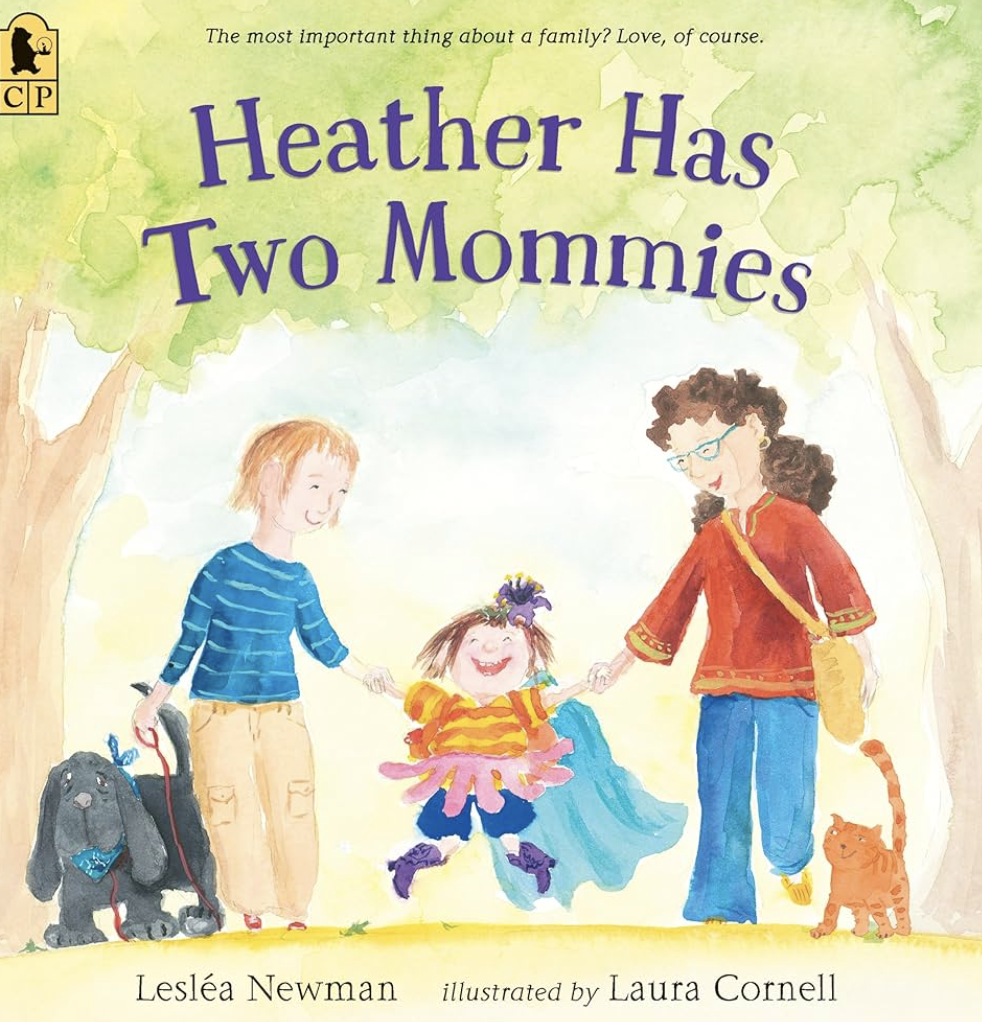
Sometimes censorship and banning are done in the name of…(dramatic pause) the children. I’m a bit skeptical when it comes to causes for children. Whenever charities claim to be raising money to help or save… (dramatic pause) the children, I get a little suspicious. After all, scammers are known for using children as props to get what they want, whether that be power or money. I understand why they do this. Who wants to be the heartless cad who says no to the children? But banning books isn’t the same thing as raising money. All you have to do for banning is to get rid of some of those weird or offensive books from the elementary or middle school libraries.
People from both sides of the political spectrum want to interfere with books. Conservatives sometimes want to censor/ban the ‘sexual stuff’ (you know what I mean), and liberals sometimes want to censor the racial stuff (you know what I mean). The ‘racial stuff’ tends to be old, and the ‘sexual stuff’ tends to be new. Liberals seem to be okay with changing the offensive content (What’s wrong with getting rid of racist content, you bigot!), and conservatives don’t want the overly progressive stuff in the children’s section (Why are you pushing this sexual stuff on kids, you perverts!).
I’m not a fan of ‘book banning’ (I put the word ‘banning’ in quotes because I don’t think of what’s going on in communities as really ‘banning’), but at least the book banners are honest about their intentions. The censors are sometimes sneakier, just saying that they’re only changing a word or two. Yeah, right. We know what that means. And we know what that leads to.
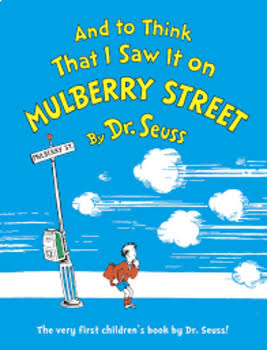
Changing the content of an old book that’s deemed offensive by today’s standards seems almost normal now. Usually it’s something that’s insensitive or downright offensive. I think of stuff like And to Think That I Saw It on Mulberry Street by Dr. Seuss, which had a few illustrations that were okay at the time it was published but were later considered offensive and have since been changed (to something less offensive to the people who were offended and something more offensive to people who originally were NOT offended.). Some of the original language in a few Roald Dahl books has been changed, including the word ‘fat’ which was then replaced with the word with ‘enormous.’
The word ‘fat’ is offensive?
When I was a kid back in the 1970s, I was made fun of for being a skinny stick just as much as the overweight kids were made fun of for being fat blobs. I think the issue now is that today there are many more people who are overweight than there are people who are underweight, so their opinions matter more. I blame the proliferation of cheap processed food. I’m not sure ‘enormous’ is a better choice of words either. ‘Enormous’ has several meanings. ‘Fat’ is just fat. Even a kid understands that.
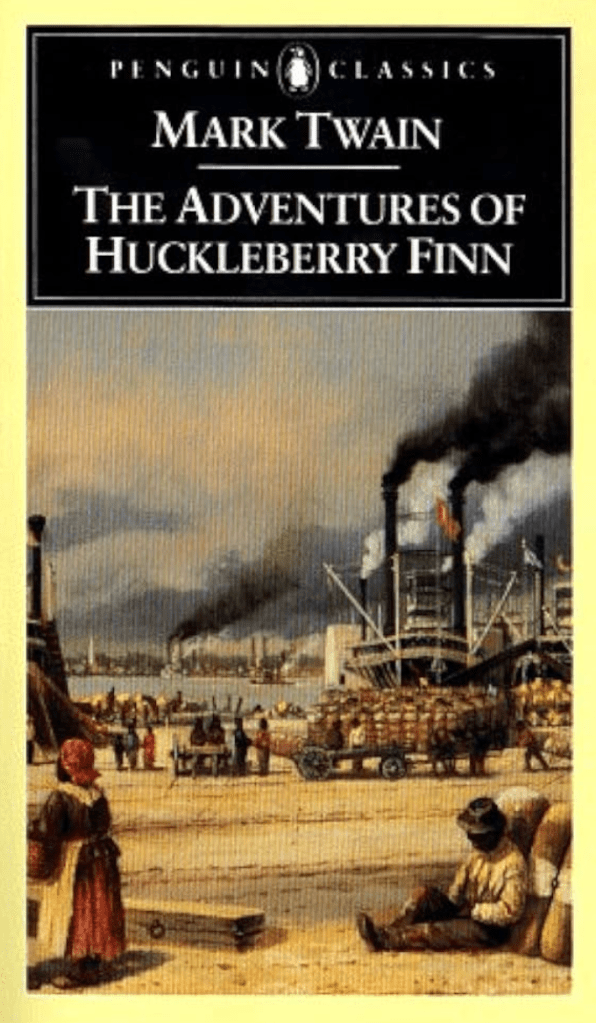
Then there’s The Adventures of Huckleberry Finn by Mark Twain, which has a bunch of usages of the word that shall not be named, not even in the context of the word that shall not be named being used. Some modern readers suggest that there should be a ‘safe’ version with a replacement word, but I don’t know. To me, old fiction is like a historical document. An old book shows you how people of any given time period thought through their own words and attitudes, not those of a historian who might have an unknown agenda. If you change the old book, then you change the history, and you give the crazy doubters (you know, the ones who doubt Helen Keller and the moon landing) the reason to doubt in the first place.
Even though my daughter hasn’t turned out to be a reader for pleasure, my wife and I provided her with a wide variety of children’s books when she was younger. She had new books (well, they were new at the time), old books, a couple books that were considered progressive at the time, and even a couple books that would be considered problematic today (the uncensored old versions. I provide my family with only the good stuff). I don’t think she was damaged by either type of offensive book (despite the possible intentions of some of the authors).
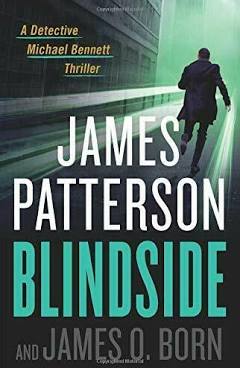
If the local community decided to get rid of any of the books I enjoyed in the public library, I’d be annoyed, but I wouldn’t get worked up about it. I wouldn’t call anybody a fascist over it (unless they actually started burning the books). I wouldn’t protest or block traffic. I might write a strongly worded letter, but I’m sure nobody would read it or be persuaded by it. If the state decided to get rid of a book entirely, I’d go out and buy it just to see what was going on with it (unless it was written by James Patterson). When Stephen King self-banned his novella Rage, I bought a Richard Bachman (his pseudonym at the time) collection/anthology just to have my own copy of the story. That’s how I am.
In short, I guess I’m one of those hypocrites who claims to be against banning and censorship unless I’m kind of for it or don’t care enough about the book to get worked up about it. Hypocrisy isn’t the worst thing in the world, especially if we’re honest about it. Self-admitting hypocrisy keeps me from getting self-righteous about my beliefs, and self-righteousness is way worse than hypocrisy. I’m rambling. I guess I’m against book banning and censorship, but every once in a while, not very often, there’ll be that one book where I think to myself (who else am I going to think to?), yeah, that motherf***ing book needs to go away!
*****
For more Literary Rants (or rambles), see…
The Literary Rants: Must-Read Novels!!