Block Paragraphs Almost Ruin A Good Book! The Sympathizer by Viet Thanh Nguyen
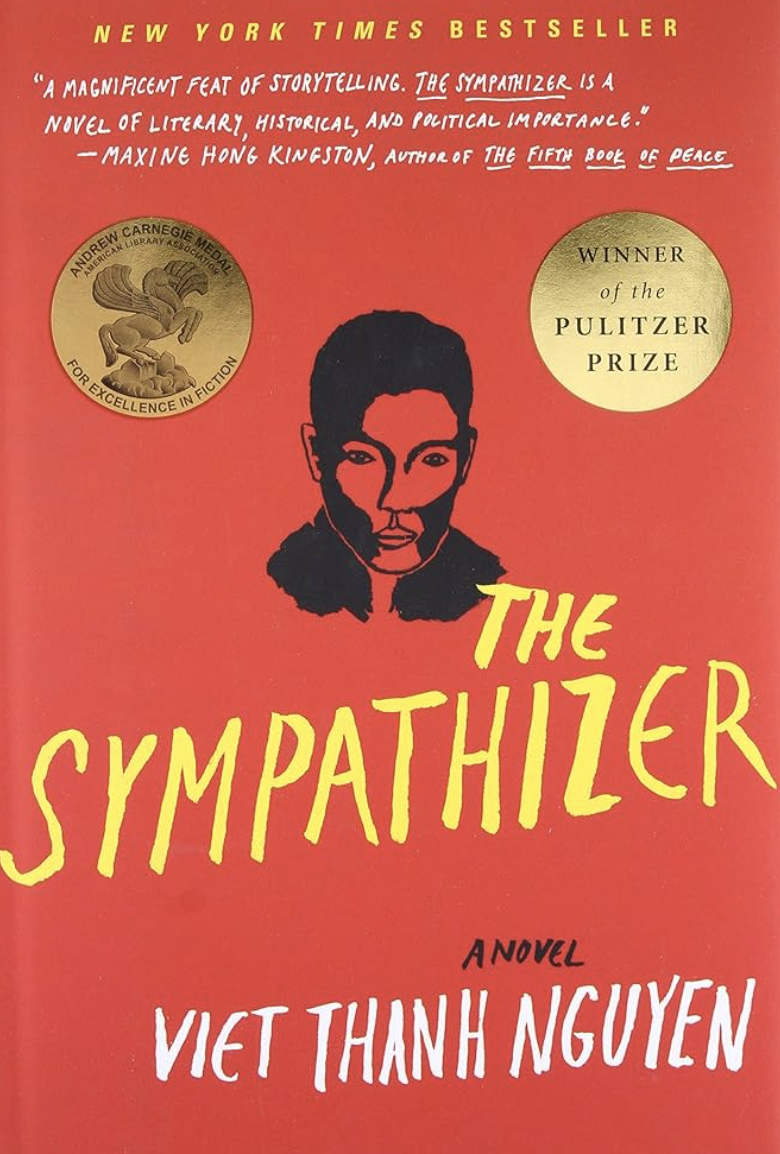
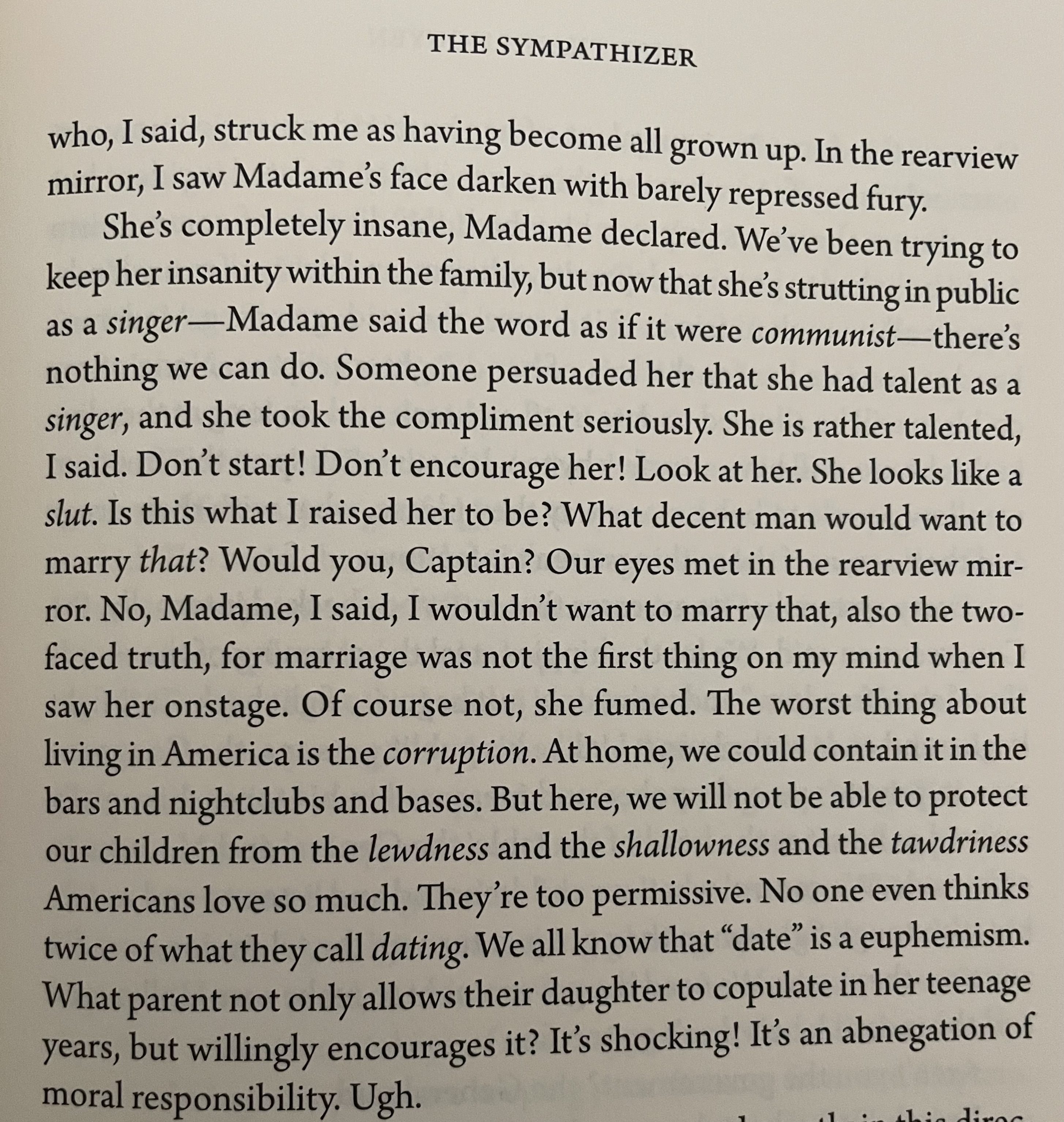
I’m about halfway through The Sympathizer by Viet Thanh Nguyen, and I’m pretty sure that I’ll finish it. For a novel that won the Pulitzer Prize for Fiction in 2015, it’s decent. I like it so far. However, I can’t read much of it at a time. The author does two things that bother me as a reader. He writes in block paragraphs. He doesn’t use quotation marks for dialogue. And he mixes the dialogue in the block paragraphs.
Maybe that’s three things. It depends on how you look at it. You can see it as an issue with block paragraphs and dialogue. Or you can see it as issues with block paragraphs, dialogue, and punctuation. Either way, I concede the point.
And either way, this combination gives me a headache. I’ve never enjoyed reading block paragraphs. The block paragraphs force me to concentrate more intensely, and then I get a headache. I’ve always had an issue with this, but it’s getting worse as I get older. Now I can read a book like this for only about ten minutes, and then I have to stop and read something else.
That’s okay. I like the story. The narrator is interesting but I’m not sure if he’s sympathetic (there’s probably a stoopid joke in there somewhere). The characters and the time period are also interesting. I’m going to finish this book despite the block paragraphs. I’ve been recovering by reading some comic books. Maybe I’ll review some of those too. Comic book reviews would be smarter to do in some ways because comic books don’t take as long to read as novels. But in some cases they’re more expensive than novels. Therefore. a good novel is usually a better value than a good graphic novel (that’s a topic for a different blog post).
Back to The Sympathizer. It’s a good story, but I don’t like the way it’s written. However, it’s the way the author wanted to write it (or maybe an editor suggested it), and the book was awarded a Pulitzer (and a bunch of other awards), so who am I to complain? I’m just a blogger. I’m statistically a nobody. Plus, I’ve said that I’m going to finish reading the book despite the way it’s written, so from the author’s point of view, there’s nothing negative about the ways it’s written, except that it gives me headaches, and nobody cares about that because I’m statistically a nobody.
Now that I’ve complained about block paragraphs, I have to be careful not to use them myself.
I think authors do weird unnecessary gimmicks to win awards or show off to their literary buddies. Almost every (that might be too strong) Pulitzer Prize for Fiction has some literary gimmicks that enhance (or detract from) the narrative. Some of the books don’t need the gimmicks. Some wouldn’t be noteworthy without them. I won’t say which Pulitzer Prize winning novels belong to which category because it’s been a while since I’ve thought about it. I’m still trying to figure out world peace and balance my budget.
Still, I think The Sympathizer would have been better off with the same text in shorter paragraphs with quotation marks for dialogue. At the very least, it wouldn’t have made the book worse.
Now I’m going to take some pain reliever and read some comic books.
*****
For more Dysfunctional Book Reviews about the Pulitzer Prize for Fiction, read…
How to Write an Award-Winning Novel starring… The Pulitzer Prize for Fiction
Pulitzer Prize for Fiction 2012 vs. the Oscars and the Heisman Trophy
Pulitzer Prize for Fiction, 2018-2008: A Review
*****
This book might not have been nominated for the Pulitzer Prize for Fiction, but it has a wide variety of paragraphs and (usually) uses punctuation marks correctly.
It’s the oldest story in the world, 1990s style!
Man meets woman; man falls in “luuuvvv” with woman; man gets blindsided by reality!
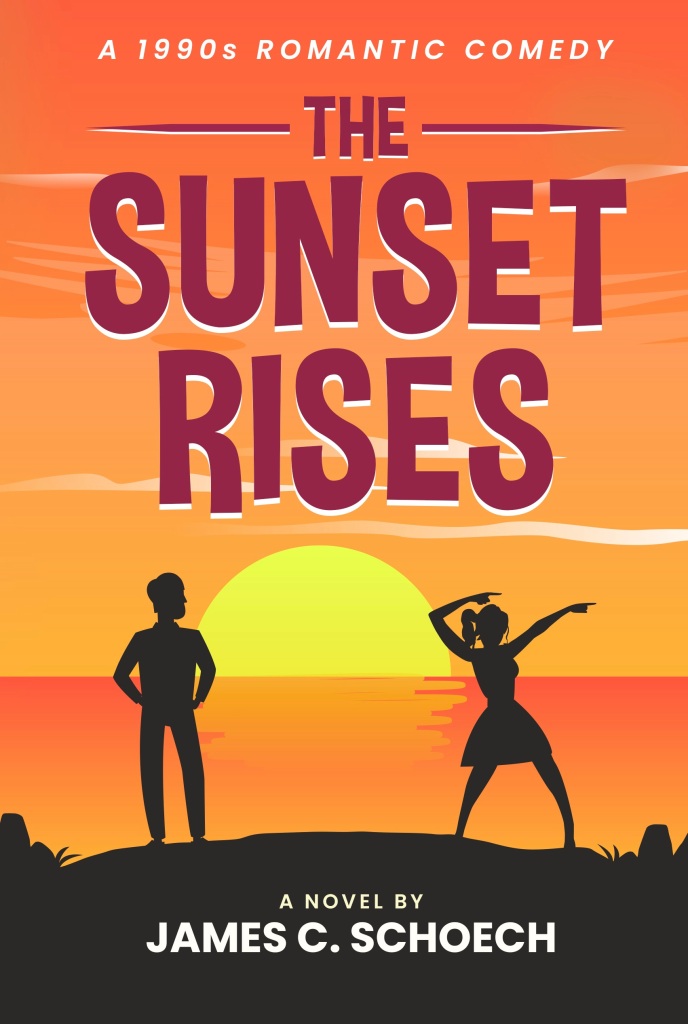
The Sunset Rises: A 1990s Romantic Comedy is now available on Amazon!


 Dysfunctional Literacy
I get it. I’ve tossed books into the corner for the same reason. Makes reading feel too much like work.
Sometimes it’s worth the work, and sometimes it isn’t.
I admire your stick-to-it-iveness. I can only read one block paragraph, myself. Period. For the same reasons you describe. I don’t have time for my mind to translate the missing punctuation. Sometimes I will read a flash fiction block if it is under 300 words, or a prose poem. But I would rather read scores of short stories, well punctuated, than a run-on work of any kind. I simply don’t have the time.
“I simply don’t have the time.”-
Yeah, that’s why I don’t finish most books that I start reading. It’s that time thing. Sigh.
I can see it from both sides, I guess. Following protocol makes it much easier on the reader. But as a writer, there’s also something pleasantly rebellious about chucking the rules and going stream of consciousness. I’ve written both ways, trying to make something grammatically perfect, or letting loose experimentally. As a reader, if I immerse myself in an author’s style, I feel like I can get the hang of it and go with the flow. Usually. That said, I don’t think I could ever make it through Ulysses.
I see what you mean. I think it’s the combination that’s messing me up when I’m reading The Sympathizer. I’m going to try to live the rest of my life without reading (or even looking at) Ulysses again.