How Classic Comic Books Led Me To Classic Literature!
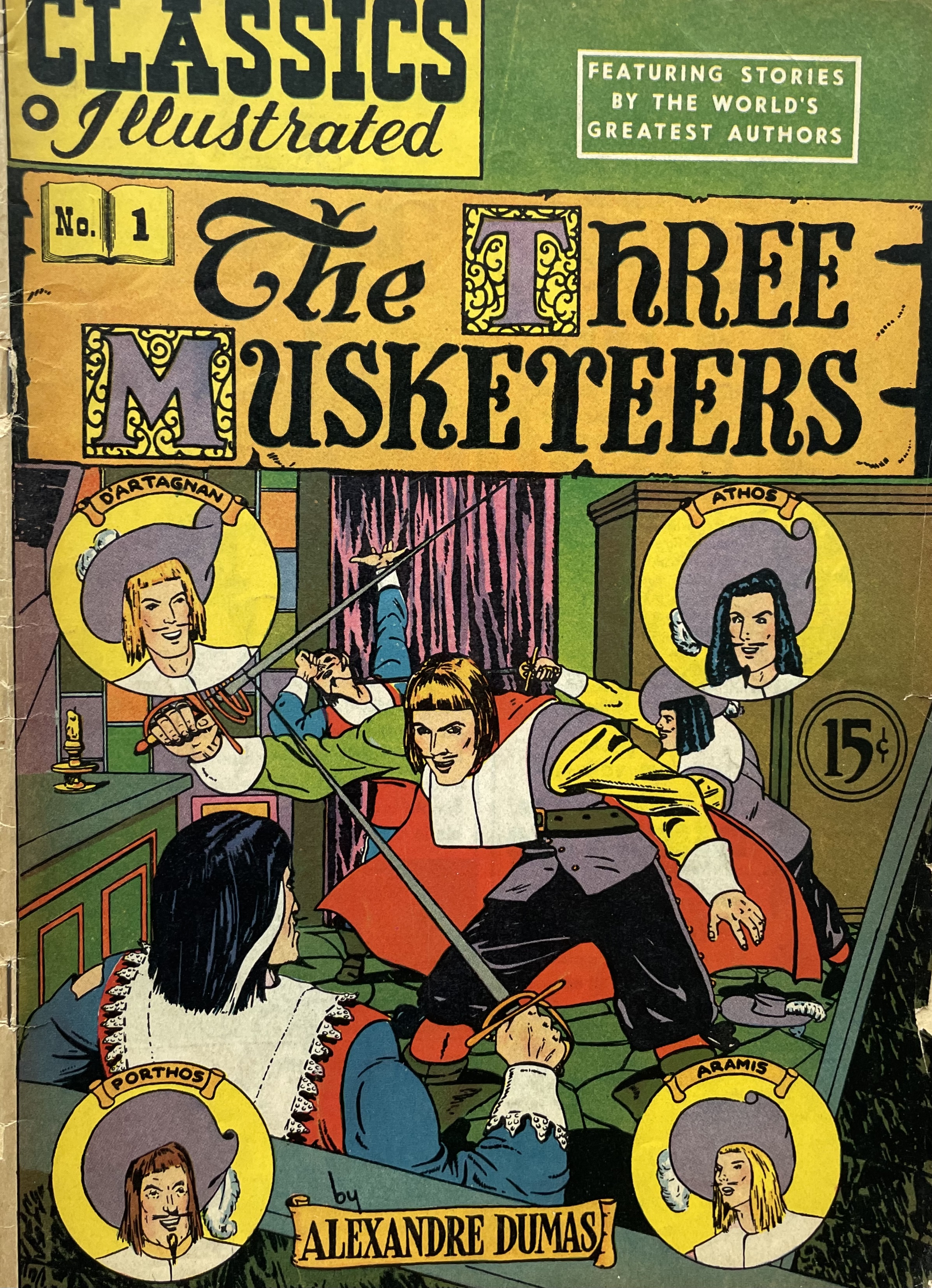
The Classics Illustrated comic book version of The Three Musketeers by Alexandre Dumas was probably my gateway comic book to the classic novels. I read this (above) comic book when I was about 6 or 7 years old. Somewhere around that time, the 1970s move adaptation of The Three Musketeers came out, and the combination of the comic book and the movie (with its sequel The Four Musketeers) made me almost obsessed with the story. This was pre-internet and pre-cable television, so there wasn’t much for resources except the local library or local bookstores (if you had them).
My family was loud and somewhat violent and had weird stuff going on (that I didn’t know was weird until I was an adult), but we always had a bunch of stuff to read around the house. My family had a subscription to the daily newspaper delivered to out front porch every morning. We had old hardback novels on book shelves. We had several magazine subscriptions. My older brother and I were both allowed to collect comic books. And my dad had even kept his small collection of Classics Illustrated comic books stored in a small cabinet in my parent’s bedroom.
There was also that… ‘secret’… magazine collection. But I didn’t find that until I was older.
Anyway, back to Classics Illustrated!
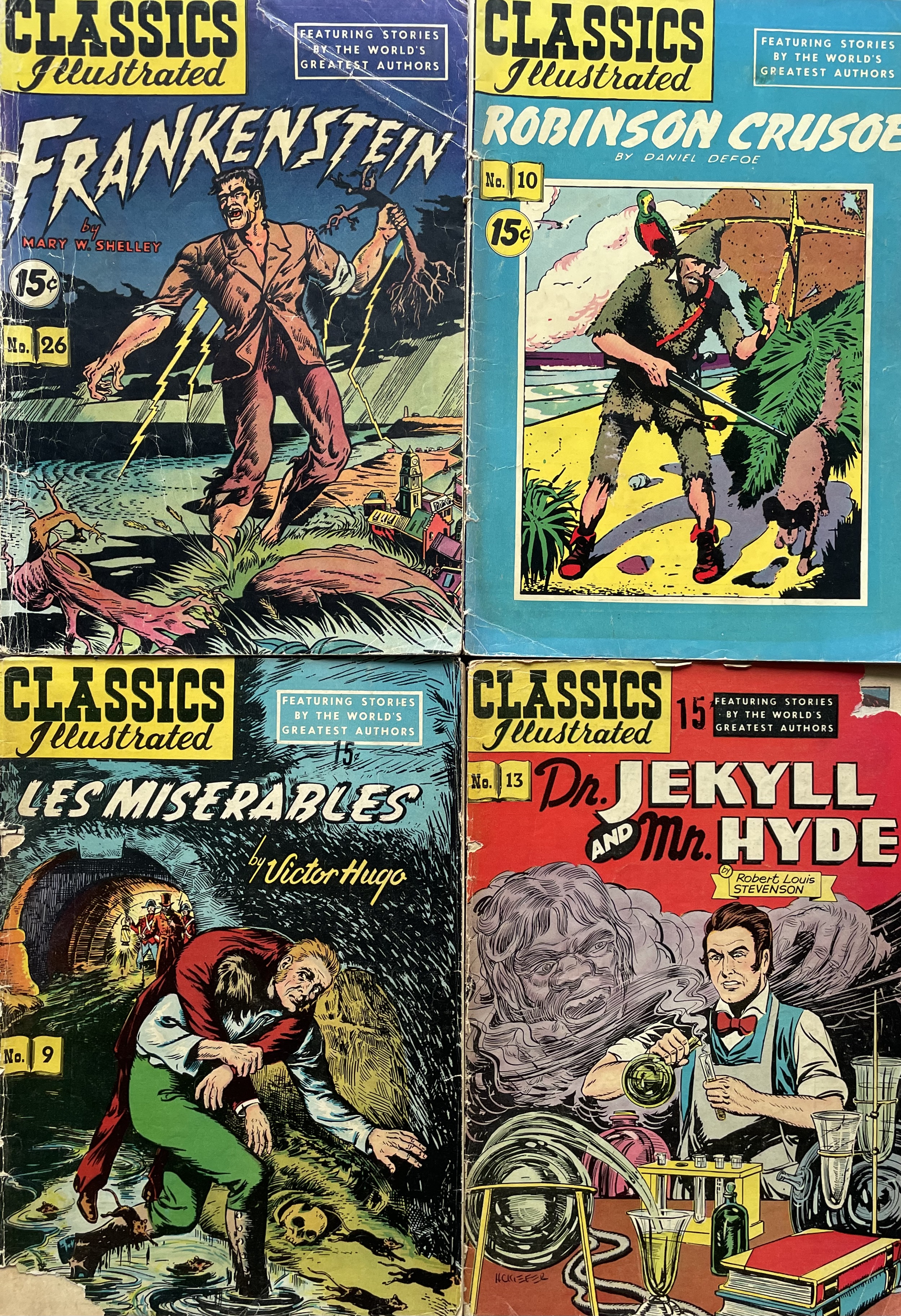
Even though I preferred Marvel Comics (or even the occasional DC), every once in a while I’d pull out those old crusty Classics Illustrated comic books and read a few at a time, especially during the summers. These comics were old, even by 1970s standards. It looks like the copies my dad kept were from a series that had started in 1947, so back then they were already around 30 years old. Keep in mind, the earliest Marvel Comics were from 1961, so any comic from the 1950s or even earlier was considered ancient by comic book standards (at least they were from the perspective of an elementary school kid).
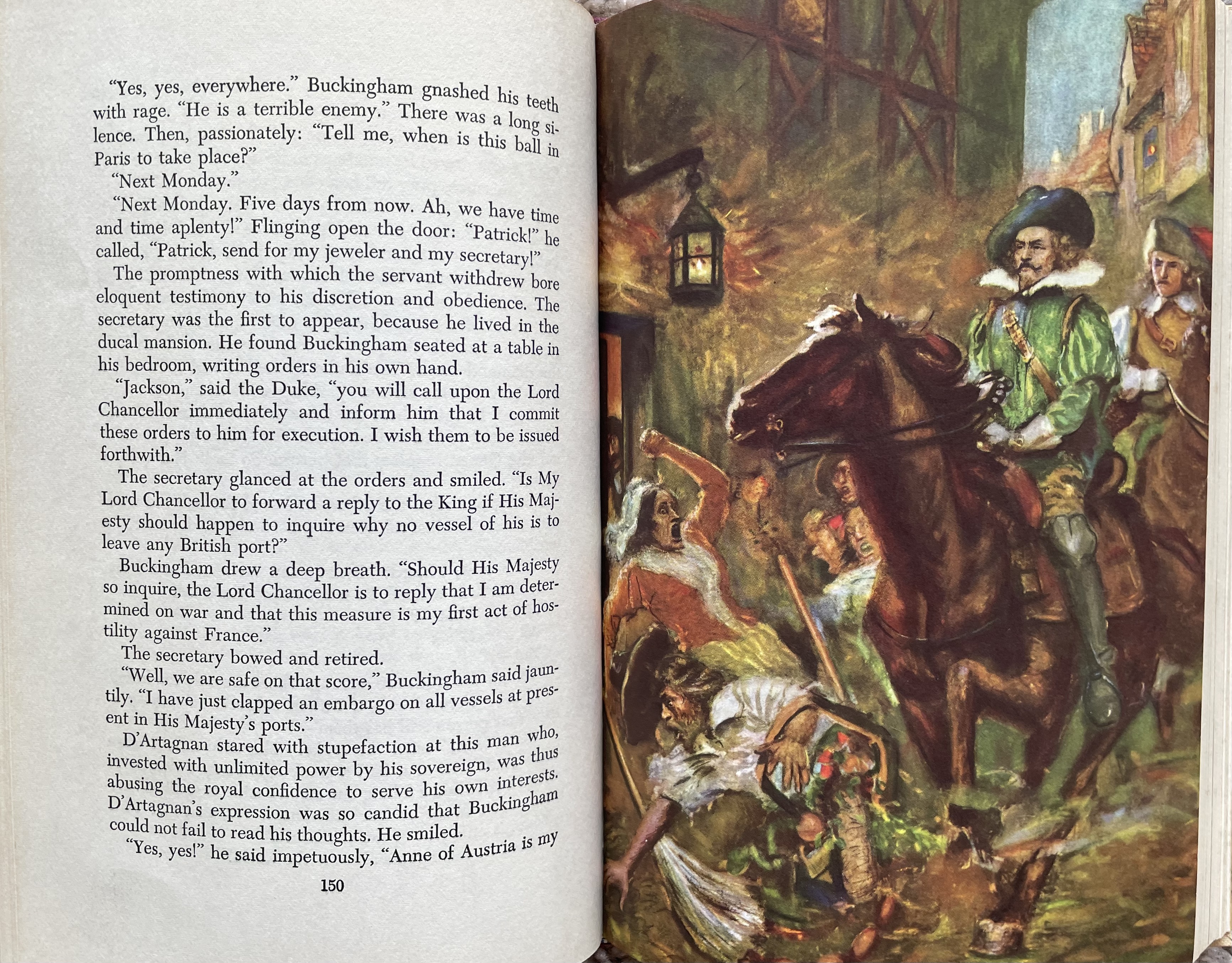
When I was in 3rd or 4th grade, I somehow found a copy of an abridged adaptation of The Three Musketeers with some detailed illustrations. Since I’d seen the movie and read the comic book, I didn’t need the visual help of the pictures for my imagination, but they were still cool. I think I lent my original copy to somebody else and never got it back, and then I found a beat up copy years later as an adult at a used book store. Maybe it was a frivolous buy. I already knew how the novel ended.
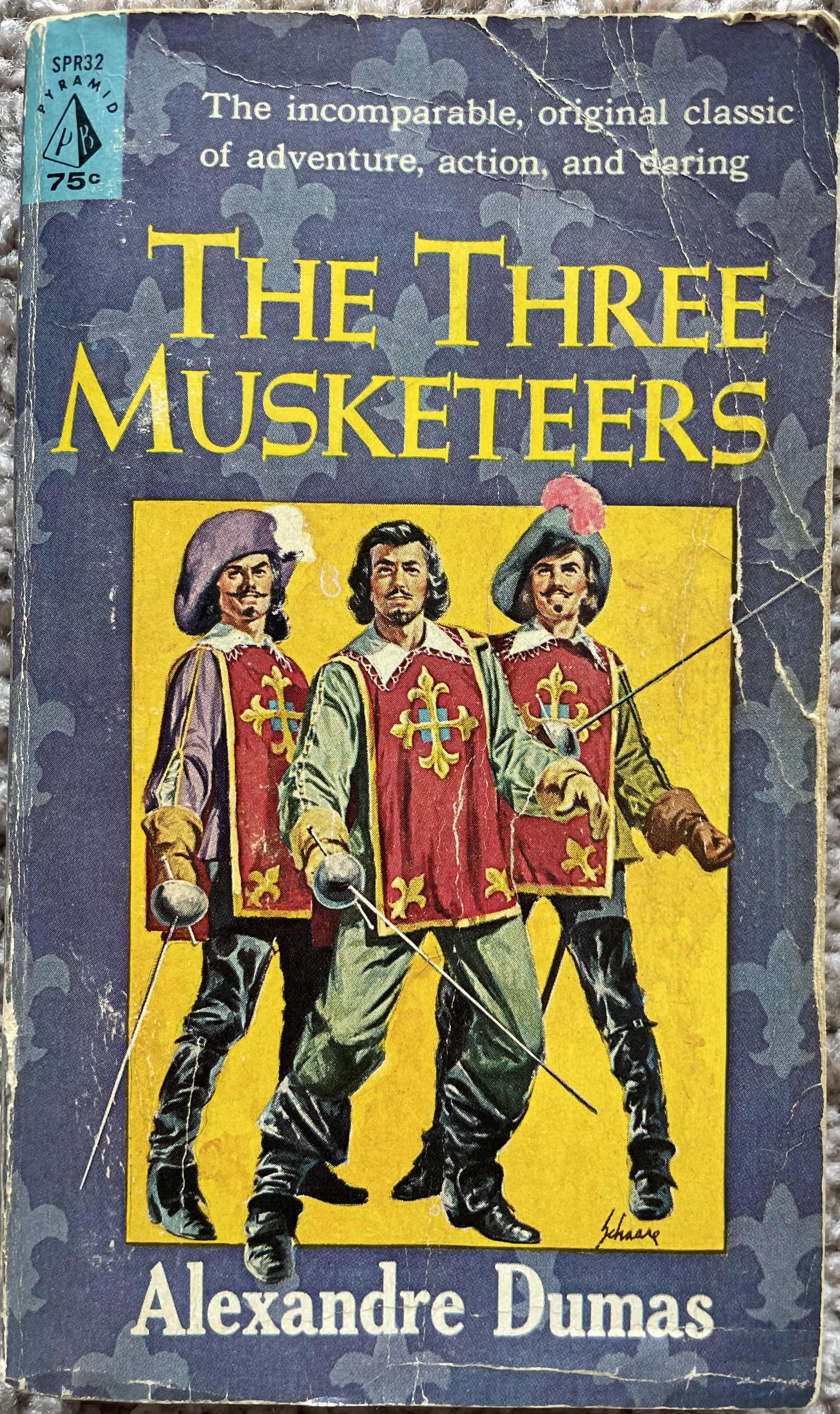
When I was in 8th grade, I found an old paperback copy of The Three Musketeers at the local thrift store in my hometown. The thrift store had a pretty decent used book collection for a dumpy store (now that I think about it, all used books stores back then were dumpy too), and I took up the challenge of reading an unabridged version with tiny print. The book itself actually wasn’t much of a challenge. The small print, however, might have ruined my eyesight. A few months later, I failed a vision test at school and had to get glasses. I blame books with small print like this copy of The Three Musketeers.
Marvel Comics started putting out their own version of classic comics in the 1970s, but I didn’t think they were as good. The art might technically have been better. The individual illustrations looked more realistic and more detailed than some of the crude (and maybe rushed) drawings in the old Classics Illustrated, but the stories in the old comics were clearer and had more details. If you read a Marvel Comics classic comic after reading an old Classics Illustrated, you knew that the Marvel version left out a lot of details.
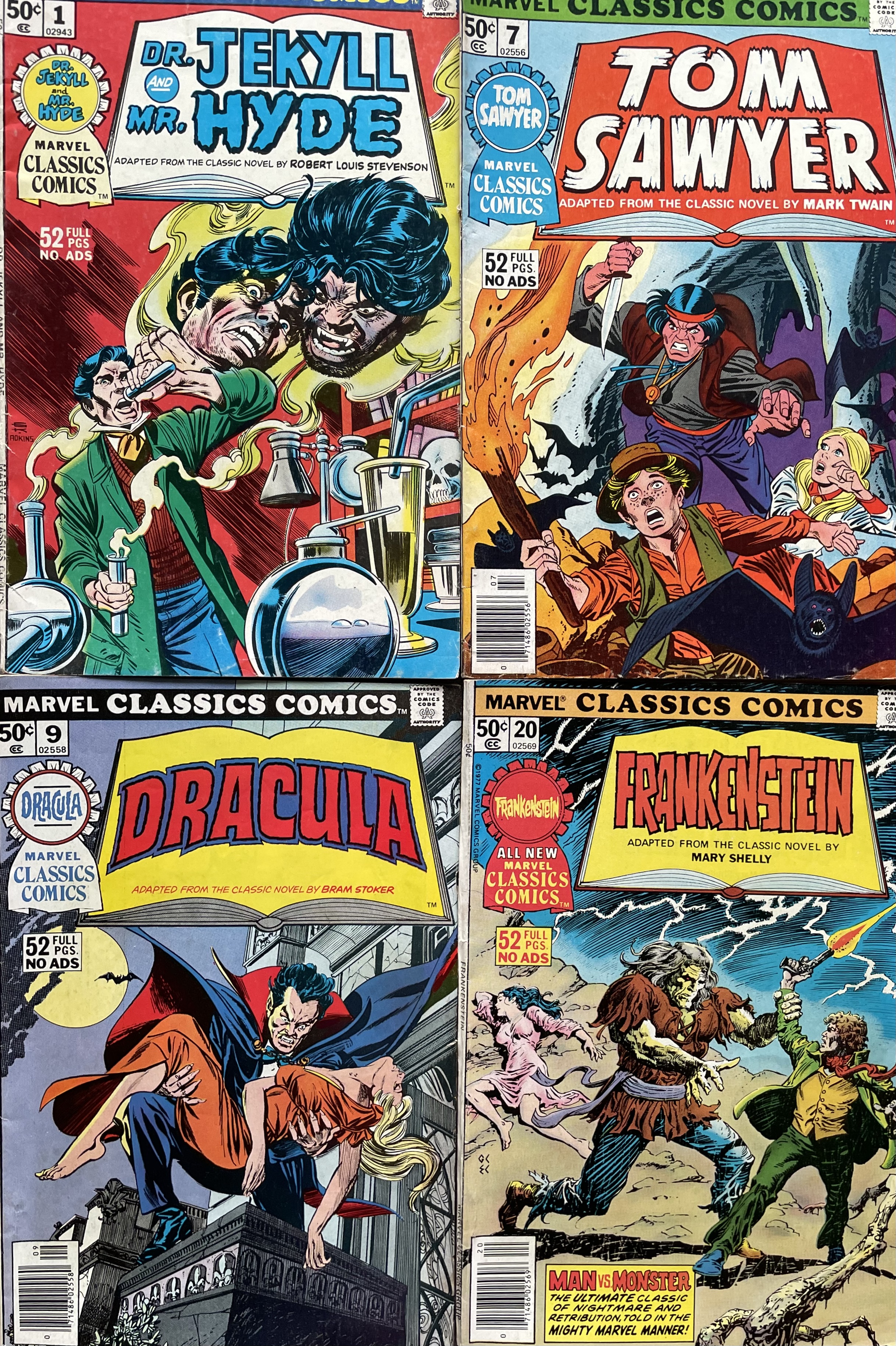
The idea of comic books based on classic novels is kind of cool, but not every classic comic book is appealing enough to get young interested. Some classic novels have stories that aren’t visually appealing in comic book (or graphic novel) form, and very few artists can draw period pieces and then tell a story at the same time. Drawing a good classic comic book is probably more difficult than drawing a good superhero comic book. And it probably doesn’t pay as much.
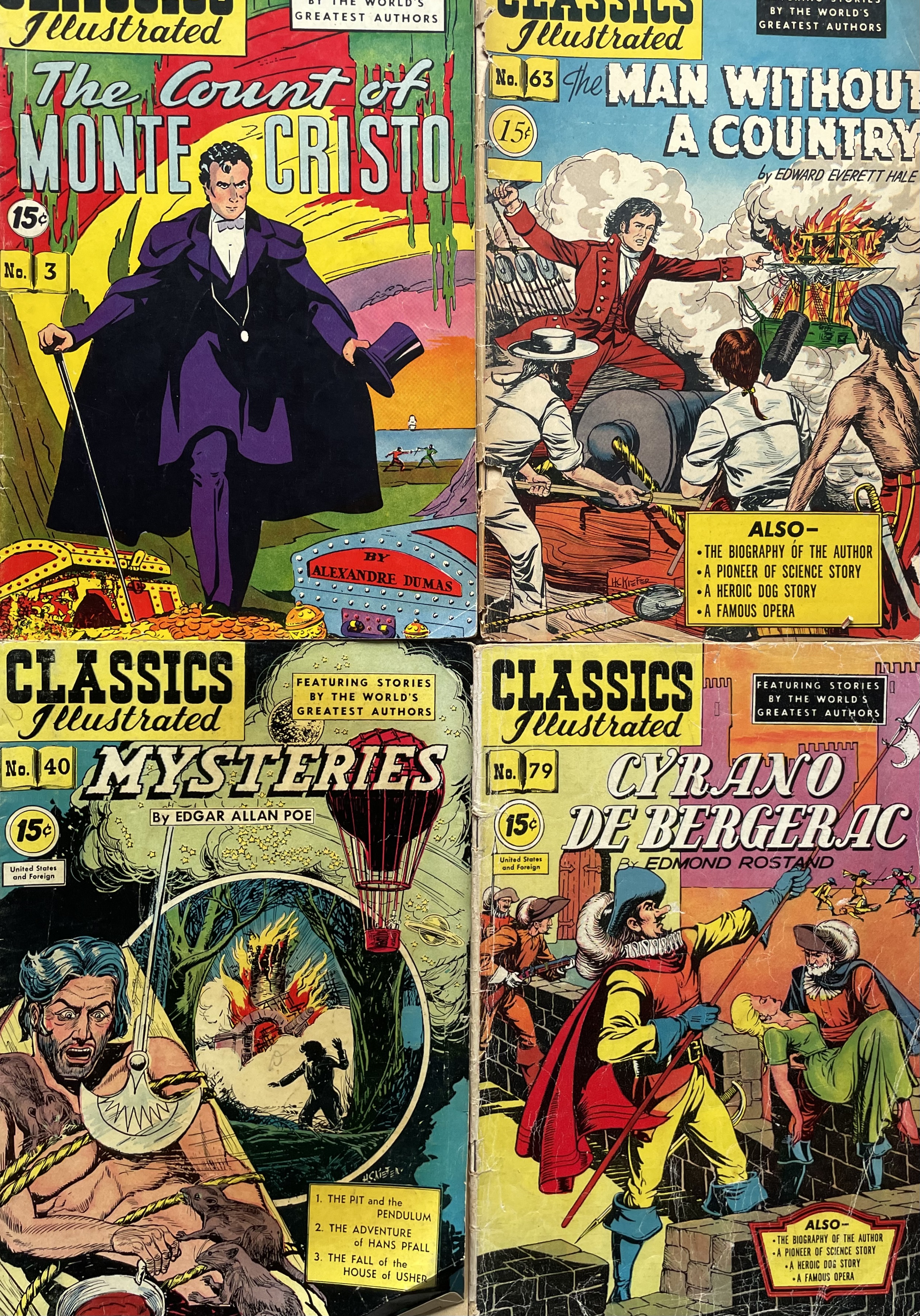
I tended to read the adventure novels, and I’m still like that today. When I read, I don’t like anything too deep or too heavy, not in literary fiction and not in classics. War and Peace by Leo Tolstoy? Too many characters with confusing Russian names. Anything by Charles Dickens? Headache inducing! Moby Dick by Hermann Melville? Haha! Moby Dick!
I can read that stuff if I want to, but I don’t want to. And I don’t have to anymore. I’m not saying that I’d never have read classic literature on my own without these Classics Illustrated comic books, but I’m pretty sure I never would have read classic literature on my own without these Classics Illustrated comic books.
*****
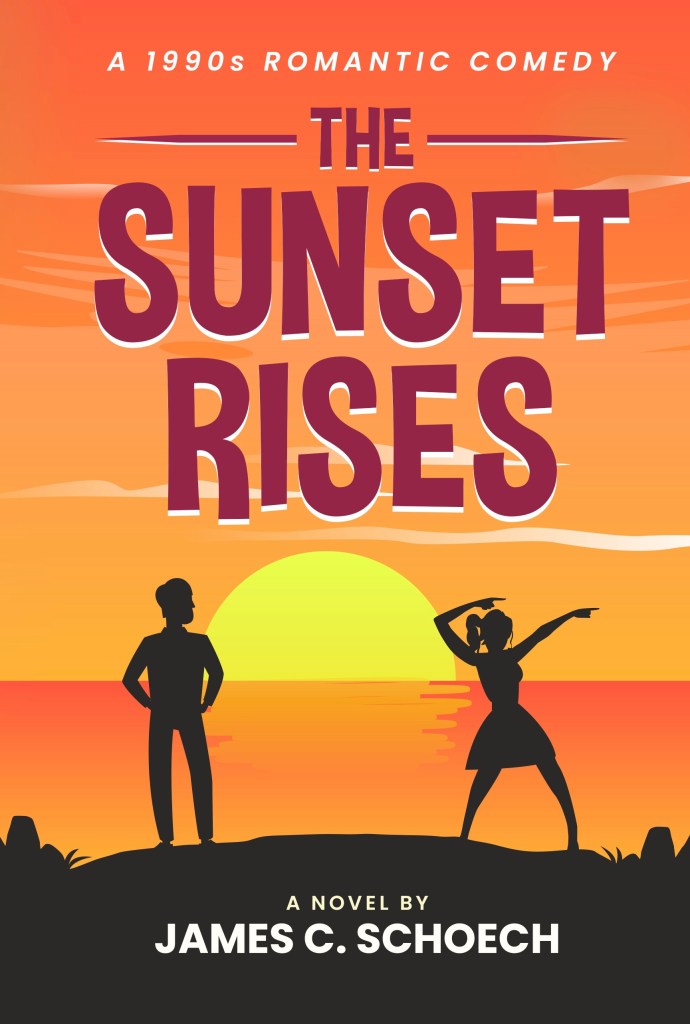
Maybe in 50 years, there’ll be a classic comic book adaptation of The Sunset Rises: A 1990s Romantic Comedy!
*****
A grammar-obsessed English teacher falls in ‘luuuvvv’ but discovers how chaotic and dangerous ‘luuuvvv’ can be


 Dysfunctional Literacy